Trump Tariffs Canada
Canada weighs a response as Trump’s new tariffs target autos and other goods.






37
Articles
30
Sources
43%
Analysis & opinion
The reporting
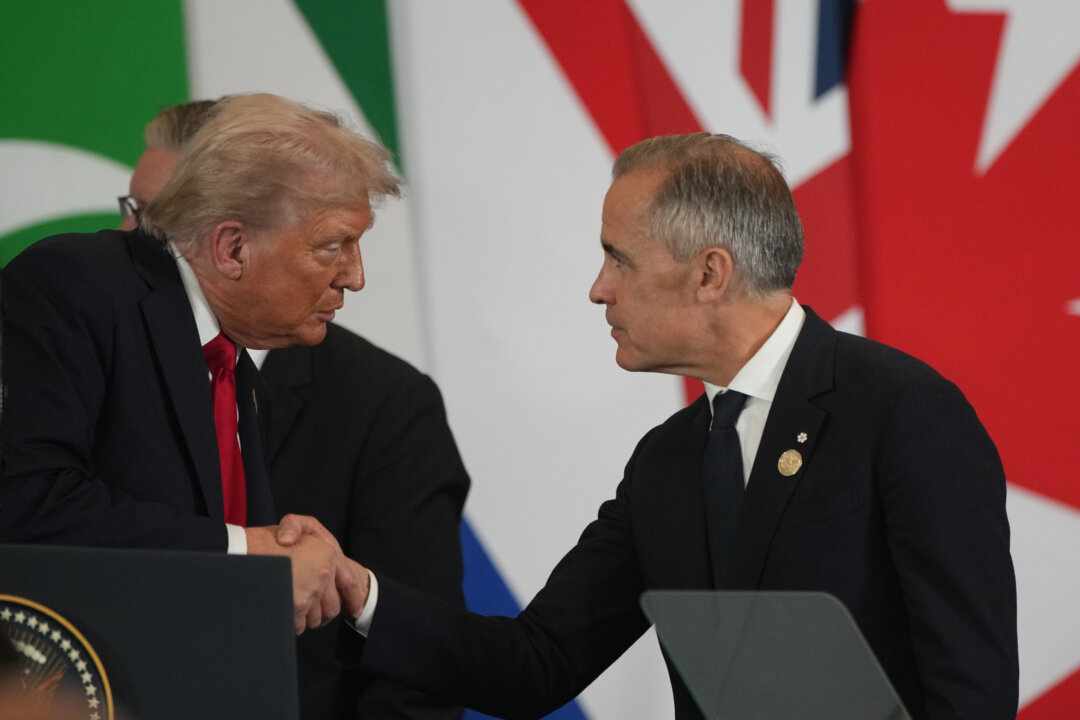
The 50% tariffs on selected Canadian imports are now estimated to affect nearly $20 billion in goods, about 5% of Canada’s trade with the United States, and have drawn warnings about consumer costs and legal vulnerability. Trump signed three proclamations using Section 338 of the Tariff Act of 1930, targeting products including alcohol, dairy, cement, hockey sticks and some auto-related goods. The White House says the measures respond to Canada’s treatment of U.S. autos, alcohol and dairy, while Canada says it will intensify USMCA negotiations.
Day 2
Latest update · Jul 22New estimates indicate the 50% duties would cover nearly $20 billion in Canadian goods and about 5% of Canada’s trade with the United States, while critics warned of higher consumer costs and legal challenges. Trump signed three proclamations invoking Section 338 of the Tariff Act of 1930, an obscure authority not previously used by a president, to target Canadian alcohol, dairy, cement, hockey sticks and other products. The White House says the move responds to Canada’s treatment of U.S. autos, alcohol and dairy as USMCA talks continue.
Analysis & opinion
Punitive abuseLeans Left
This is punishment aimed at Canada rather than a serious attempt to solve legitimate trade problems. The move is irrational, abusive, and misdirected, including when tied to grievances like wildfire smoke.


Damaging escalationLeft & Center
A 50% tariff on Canadian goods would reignite a destructive trade fight with one of America’s closest allies. It risks economic harm, higher inflation, strained relations, and damage to both Canadian sectors and U.S. interests.


Legal overreachMostly Center
The legal basis for these tariffs is dubious because Trump is relying on an obscure, long-defunct Great Depression-era provision. Reviving that authority after legal setbacks would be an abusive expansion of presidential tariff power.


Negotiating leverageLeft & Center
The tariff threat is a pressure tactic meant to force concessions from Canada and reshape the USMCA trade relationship. Canada has to decide whether to retaliate or preserve talks because the threat may be bargaining leverage rather than a measure certain to take effect.
Get tomorrow's edition
Every side, every morning — free in your inbox.