Chinese AI Models Rise
Chinese firms like Moonshot, Z.AI and DeepSeek are pressuring U.S. AI leaders.




8
Articles
8
Sources
75%
Analysis & opinion
The reporting
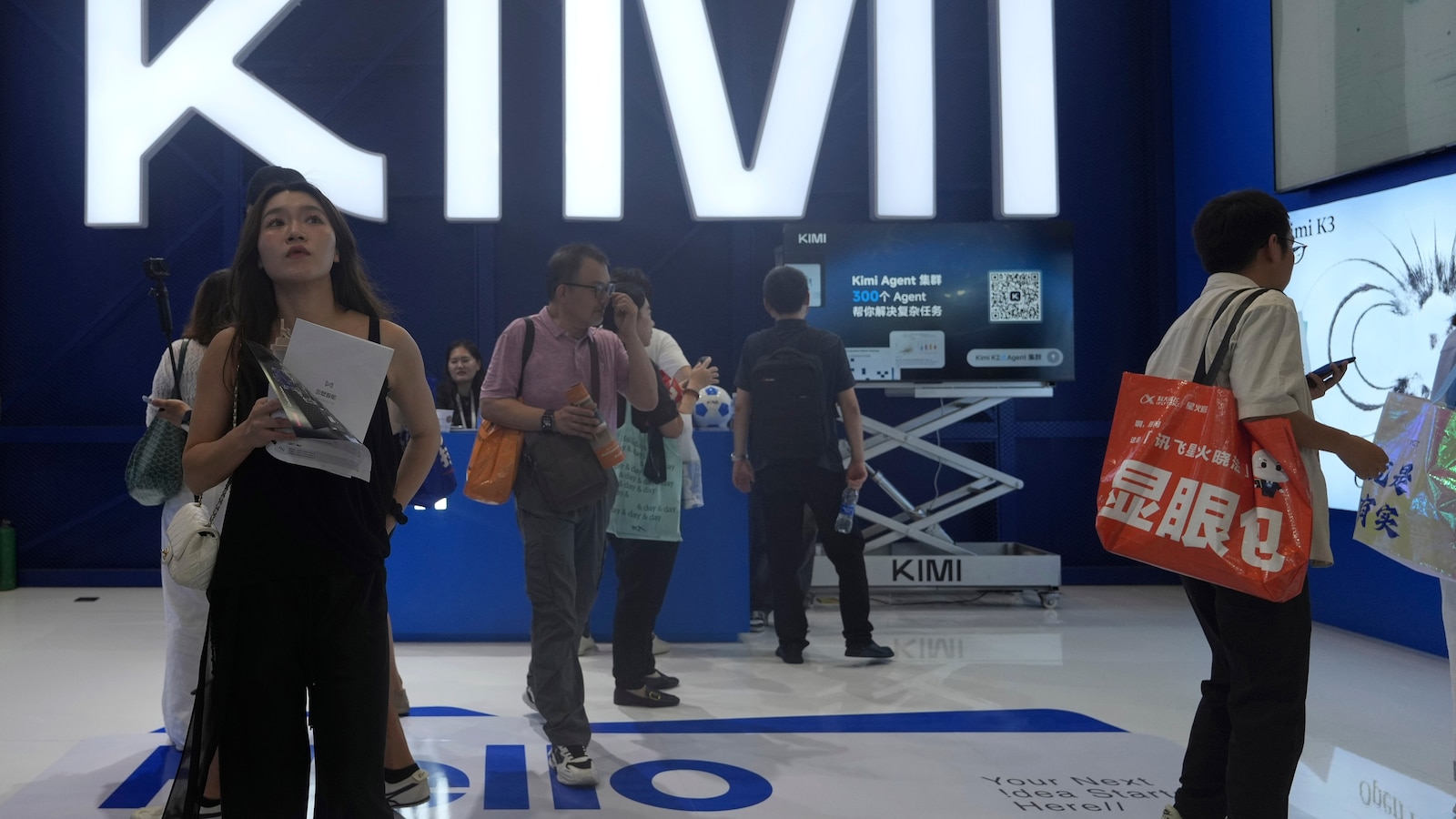
Chinese AI models are gaining U.S. users after Moonshot AI’s mid-July release of Kimi K3, described as the world’s largest open-source model. The Beijing startup’s model joined offerings from DeepSeek and Z.AI in challenging U.S. labs on price, with companies citing lower costs and open access as reasons to test or switch tools. The launch has intensified debate in Washington over open Chinese models, including reported lobbying by OpenAI and Anthropic and allegations that Moonshot used distillation from a U.S. model.
Analysis & opinion
Open-source reckoningMostly Center
Open AI models are now too important to treat simply as a threat to be crushed. The United States and the AI industry need to weigh their risks against their benefits and adapt to their spread.

Kimi race flashpointLeans Left
Kimi K3 has become a symbol of China’s renewed bid to compete at the frontier of generative AI. Concerns about the model, including claims about distillation, point to a widening U.S.-China struggle over AI leadership.


Chinese AI challengeMostly Center
Chinese AI models are becoming serious competitors to leading U.S. systems. Their open access, strong performance and much lower costs are helping Chinese firms gain users and credibility.


Get tomorrow's edition
Every side, every morning — free in your inbox.