Houthi Attacks Send Oil Higher
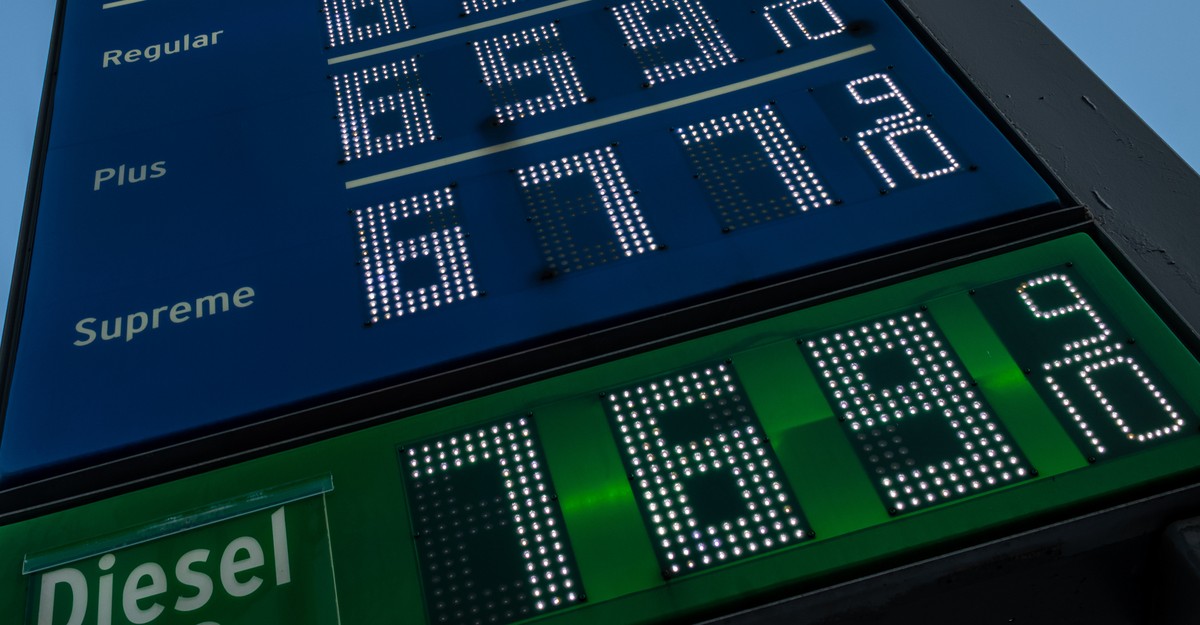
Mideast strikes hit Saudi oil flows, lifting fuel prices and escalation fears.




5
Articles
4
Sources
Coverage mix
What happened
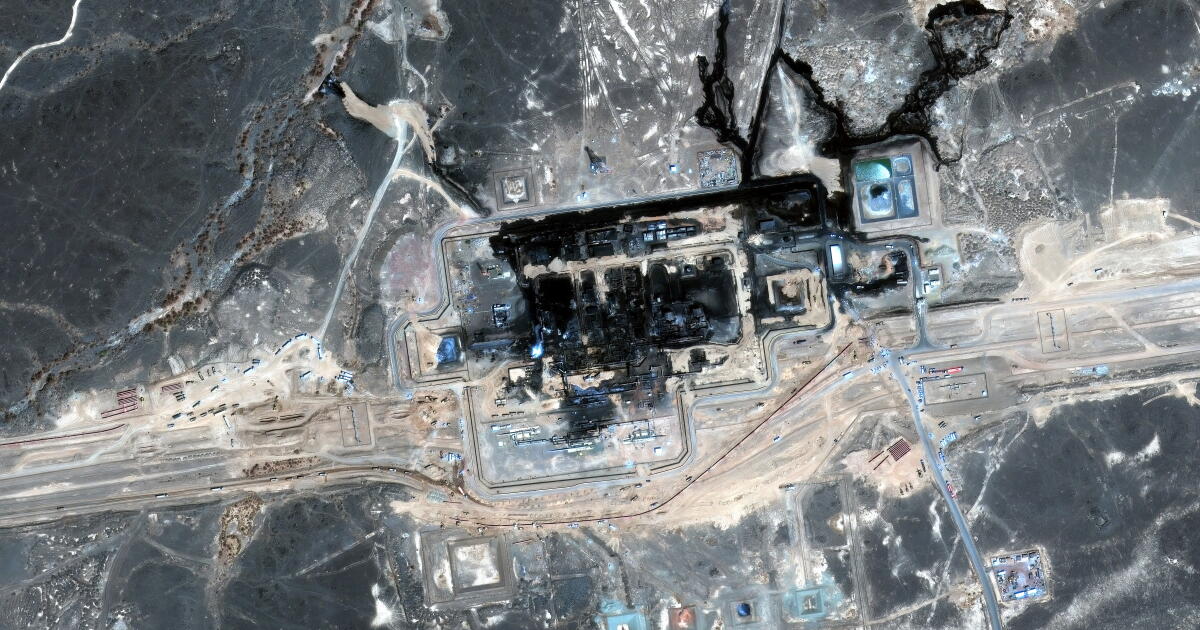
Oil rose as renewed Yemen fighting endangered civilians and Red Sea shipping, already more vital because of Strait of Hormuz disruptions since the U.S. war with Iran began. Saudi airstrikes in southwest Yemen killed three people, including two children, a Houthi spokesperson said. Human Rights Watch accused the Houthis of possible war crimes over commercial-ship attacks. Vice President JD Vance said the war would enter a different phase soon and said Iran’s ship attacks and energy-market effects were central. Officials said Saudi Arabia’s damaged east-west pipeline could stay mostly offline for more than three weeks, removing about 4% of global supply.
Both sides
From the left
Left-leaning accounts centered the price threat for Americans on Iran and the widening regional war, rather than treating Yemen as a separate fight. The Atlantic tied record diesel pressure to the Iran war and said Trump had downplayed the increases as temporary. The Los Angeles Times cast the escalation as a test of Trump’s readiness and political risk before the midterms. The Atlantic also argued Trump’s Russia-Ukraine focus was unlikely to solve diesel prices.
From the right
Right-leaning accounts led with Iran-backed pressure on oil routes and strategic chokepoints, stressing security rather than domestic political fallout. CBN portrayed Iran and its proxies as raising pressure on vital shipping lanes, with risks for Saudi production and gas prices. CBN also framed Houthi gains as leverage near the Red Sea and Bab-al-Mandab Strait. It noted Saudi Arabia wanted U.S. military help while Trump had not ordered strikes. CBN cited Israel saying it had won a major victory over Hezbollah.
Coverage•5 articles — 2 left, 2 center, 1 right
Get tomorrow's edition
Every side, every morning — free in your inbox.