Paramount Clears Legal Hurdle
Paramount’s Warner Bros. Discovery takeover awaits court approval after a 12-state deal.



57
Articles
36
Sources
Coverage mix
What happened
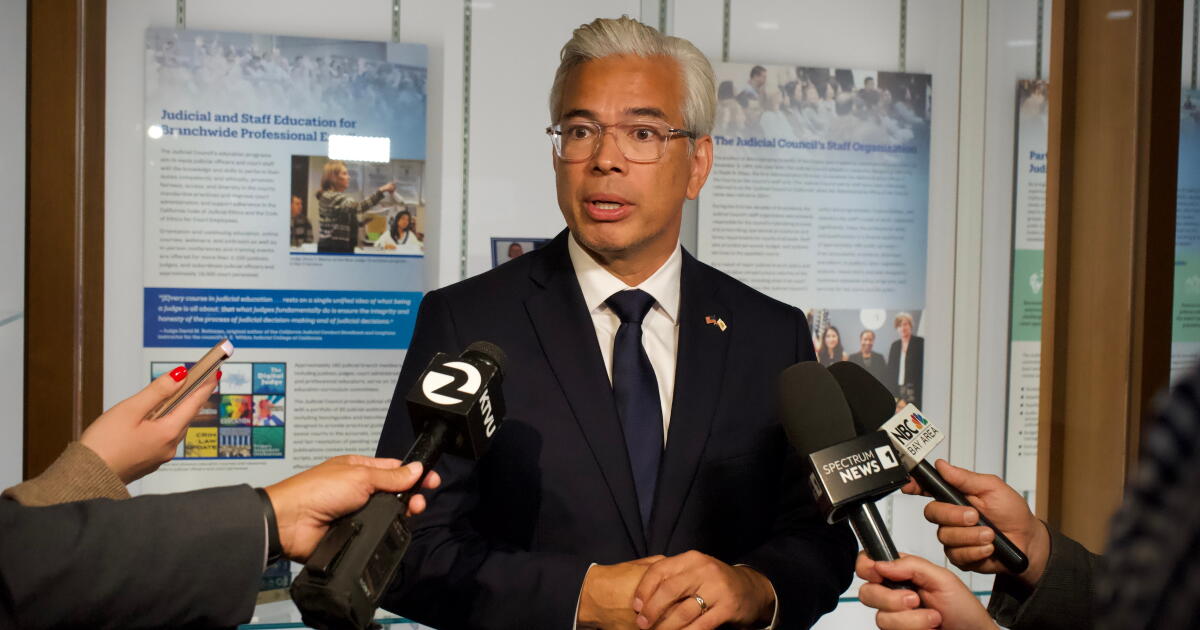
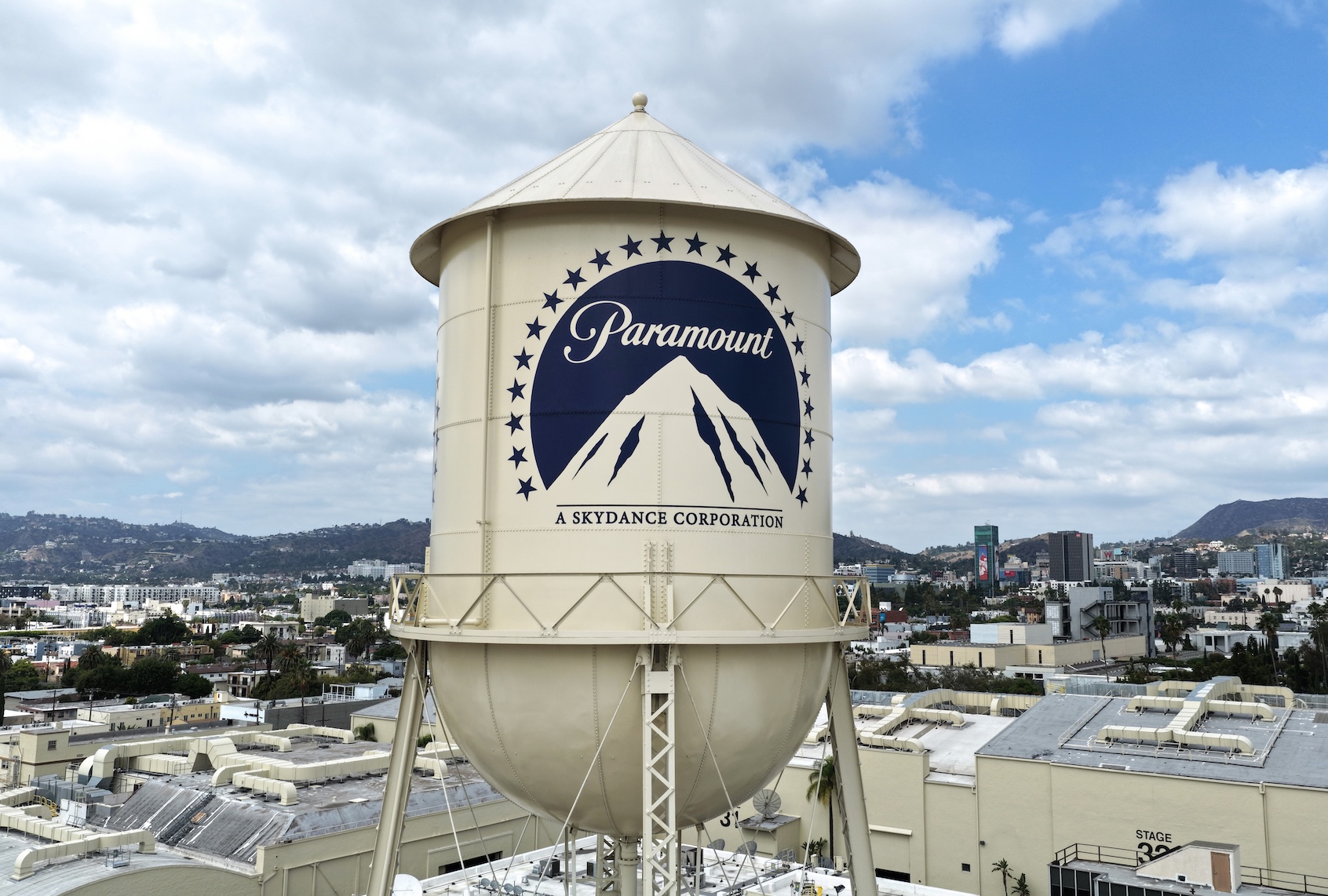
Paramount Skydance settled its antitrust fight with 12 state attorneys general and the Writers Guild of America, removing the last major legal obstacle to its Warner Bros. Discovery merger. The states had sued in July, with California Attorney General Rob Bonta arguing the deal would concentrate too much power in film, cable and news. Bonta said the settlement was “not a vote of support” for the merger, while Paramount said it had “complete clearance” to proceed. The deal requires at least 30 films a year at first. It also adds $1.5 billion in U.S. film spending over five years and creates independent editorial boards for CBS News and CNN. Court approval is still pending.
Day 2
Latest update · Sep 22Paramount has settled with 12 states over its Warner Bros. Discovery takeover, removing the last major legal obstacle to the $81 billion deal, while agreeing to keep Pluto TV or another free ad-supported streamer for five years and maintain its Los Angeles studio lots. The settlement also requires Paramount to release 30 to 32 films a year, invest $1.5 billion more in domestic movie production over five years, and create oversight for editorial independence at CBS News and CNN. The agreement still needs final court approval before the merger can close.
Both sides
From the left
Left-leaning accounts cast the agreement as the last big barrier before a media combination that could reshape Hollywood, streaming and cable news. The New York Times lingered on safeguards for newsroom independence and theater releases, presenting the package as a set of merger conditions. Techdirt attacked the terms as weak and portrayed Democratic officials as yielding to billionaire, Trump-aligned media power.
From the right
Right-leaning accounts framed the settlement as a breakthrough, stressing deal momentum more than fears of consolidation. The New York Post emphasized the path cleared for a major combined company. Just the News focused on practical guardrails, including production promises and independent editorial structures. The New York Post also argued the case was weak and that political pressure helped force a deal.
Coverage•57 articles — 18 left, 31 center, 8 right
Get tomorrow's edition
Every side, every morning — free in your inbox.