Ngũgĩ wa Thiong’o, Renowned Kenyan Author and Advocate for African Languages, Dies at 87
Ngũgĩ wa Thiong’o, a pivotal figure in African literature, passed away at 87, leaving behind a legacy of challenging colonial narratives and advocating for native languages.

 PBS NewsHour
Ngũgĩ wa Thiong'o, Kenyan dissident and author who was giant of global literature, dies at 87
 Associated Press
Ngũgĩ wa Thiong’o, Kenyan author and dissident who became a giant of modern literature, dies at 87

 The Guardian
Ngũgĩ wa Thiong’o, giant of African literature, dies aged 87
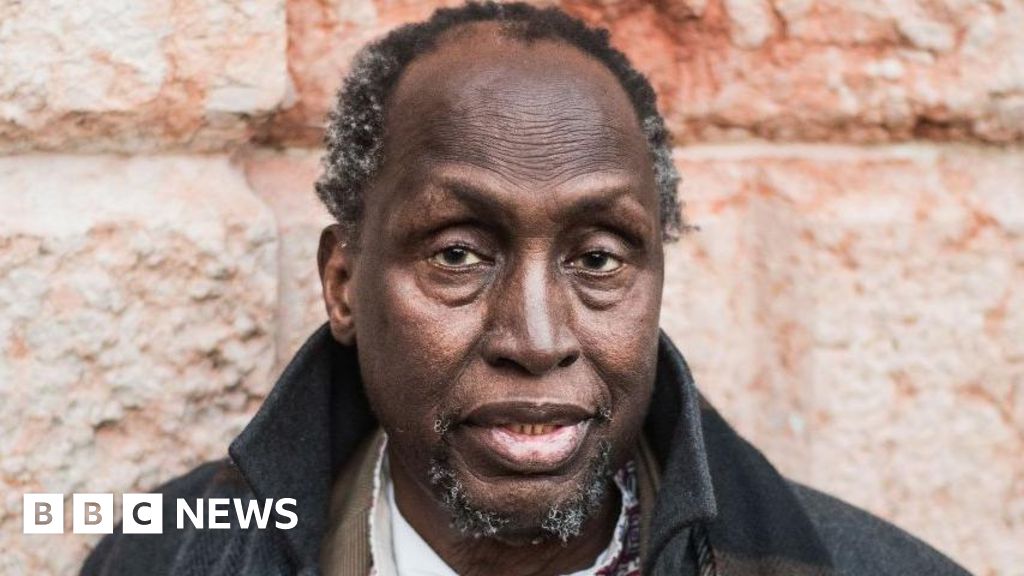
 BBC News
Ngũgĩ wa Thiong'o - a giant of African literature - dies aged 87
Overview
Ngũgĩ wa Thiong’o, the celebrated Kenyan author known for his powerful critiques of colonialism and advocacy for African languages, has died at 87. His works, including 'Weep Not, Child' and 'Petals of Blood,' explored Kenya's tumultuous history and the struggles of its people. A perennial Nobel Prize contender, Ngũgĩ's literary journey began in the 1960s and was marked by imprisonment and exile due to his outspoken views. He championed writing in indigenous languages, significantly impacting African literature. His death marks the end of an era for a voice that fought against oppression and celebrated cultural identity.
Analysis
The articles reflect on Ngũgĩ wa Thiong’o's life, highlighting his literary contributions and social justice advocacy.
They celebrate his resilience and achievements, portraying him as a heroic figure in African literature.
The tone is respectful and reflective, acknowledging both his struggles and triumphs throughout his life.
FAQ
Ngũgĩ wa Thiong'o was known for his powerful critiques of colonialism and advocacy for African languages. His notable works include 'Weep Not, Child,' 'Petals of Blood,' and 'A Grain of Wheat,' which explored Kenya's history and cultural identity. He championed writing in indigenous languages, impacting African literature significantly.
Ngũgĩ wa Thiong'o was imprisoned due to his outspoken views against colonialism and his advocacy for African languages. His play 'I Will Marry When I Want' and other works were seen as subversive by the Kenyan government.
Ngũgĩ wa Thiong'o was a strong advocate for writing in indigenous African languages. He believed that using native languages was essential for preserving cultural identity and challenging colonial narratives.