Disney and Universal Sue Midjourney Over Copyright Infringement
Disney and Universal have filed a lawsuit against AI image generator Midjourney for allegedly infringing on their copyrighted characters and content.
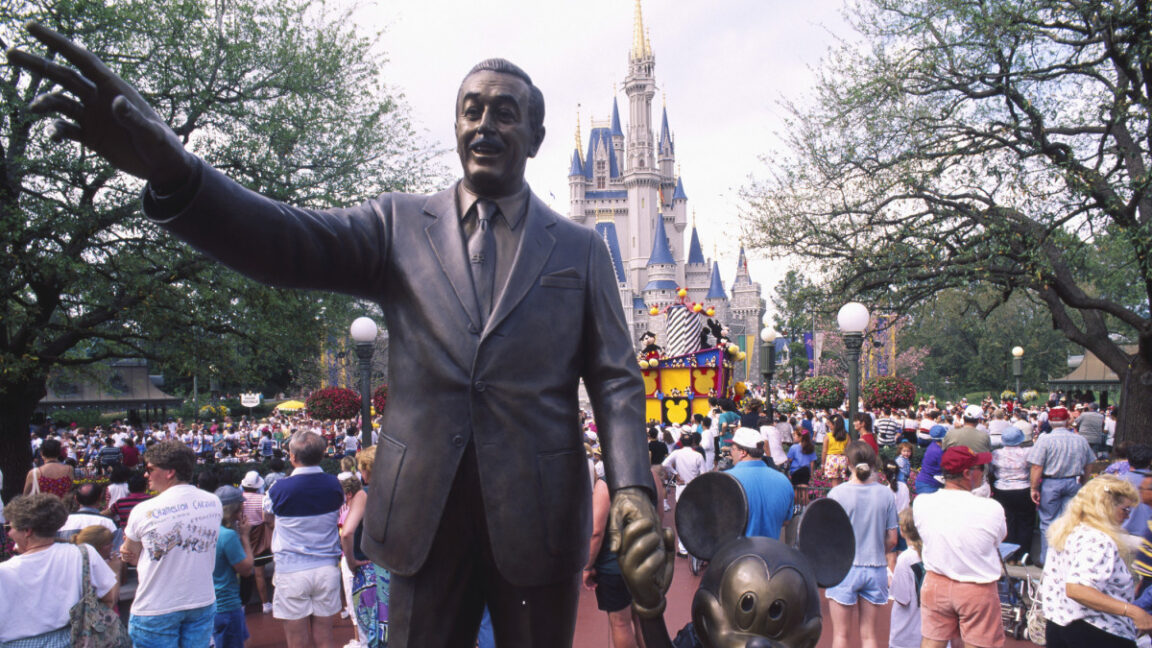
 ARS Technica
Hollywood studios target AI image generator in copyright lawsuit

 CNET
CNETDisney, Universal Sue Midjourney Over AI Images, Calling It 'a Bottomless Pit of Plagiarism'
 CNN
CNNDisney and Universal team up to sue AI photo generator Midjourney, claiming copyright infringement | Business
 Wired
WiredDisney and Universal Sue AI Company Midjourney for Copyright Infringement
Overview
Disney and Universal are suing Midjourney, an AI image generator, for copyright infringement.
The lawsuit marks the first time major Hollywood studios have taken legal action against an AI company.
Midjourney is accused of creating images based on copyrighted characters using generative AI technology.
The studios claim Midjourney ignored requests to cease alleged copyright violations and implement preventive measures.
The case raises questions about the legality of using publicly available media for AI training, with differing views on fair use.
Analysis
Challenge copyright infringement claims against Midjourney for using AI to generate images from prompts.
FAQ
Midjourney is accused of copying characters from Disney, Marvel, and Lucasfilm franchises such as 'Star Wars' and 'The Avengers', as well as Universal's characters from 'Despicable Me' and the 'Minions' universe.
Disney and Universal are seeking damages and Midjourney's profits in 'an amount according to proof' or statutory damages up to $150,000 per infringed work.
This lawsuit marks the first time major Hollywood studios have taken legal action against an AI company for copyright infringement, potentially setting an important legal precedent regarding the use of copyrighted material in generative AI technologies.
Disney and Universal argue that Midjourney already has systems to block images with violence or nudity, and could implement similar mechanisms to prevent replication of copyrighted characters.
The case raises questions about whether and how copyrighted content in publicly available media can be legally used for training AI models, reflecting a broader debate about the boundaries of fair use in the digital era.