BBC Faces Backlash Over Bob Vylan's Controversial Glastonbury Performance
The BBC has apologized for its handling of Bob Vylan's performance at Glastonbury, which included controversial statements, leading to a reevaluation of live broadcast protocols.



Overview
The BBC labeled Bob Vylan as 'high risk' prior to their Glastonbury performance, prompting a review of similar future live events.
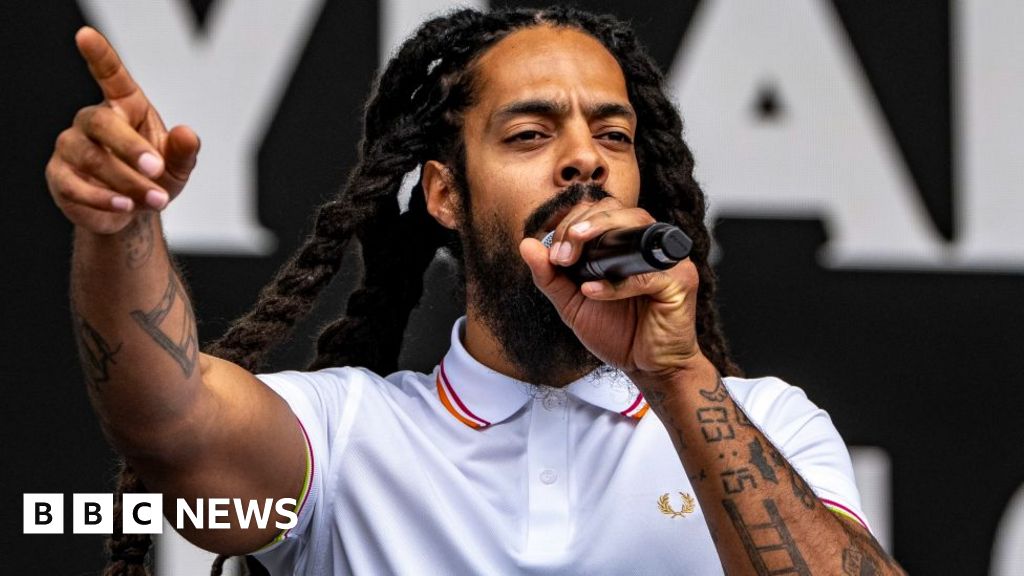
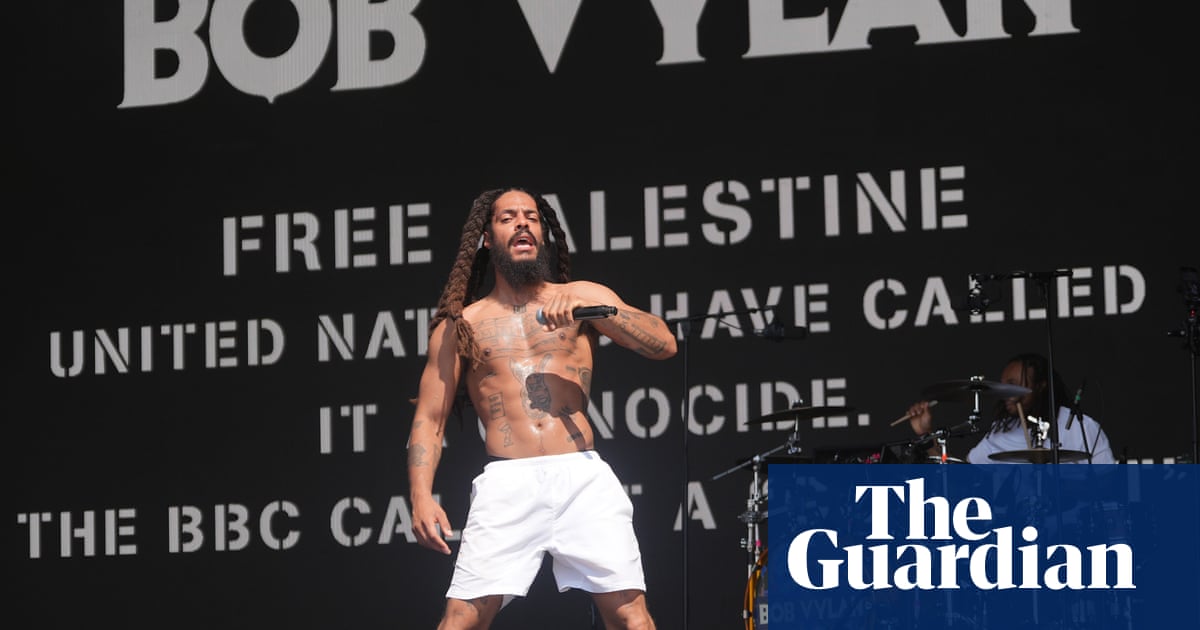
During the performance, Bob Vylan led a controversial chant and made remarks about working for a 'f***ing Zionist'.
The BBC expressed regret for not pulling the live feed, calling it an 'error of judgement' and apologizing to the Jewish community.
In response to the backlash, the BBC acknowledged failures in their live broadcast protocols and committed to improving accountability.
The incident has raised concerns about compliance risks during live broadcasts and the need for real-time mitigation strategies.
Analysis
Center-leaning sources frame the incident as a significant misstep by the BBC, highlighting their regret and acknowledgment of protocol failures. The emphasis on accountability and apologies, particularly to the Jewish community, suggests a bias towards sensitivity in reporting controversial performances, reflecting a broader concern for public perception and community relations.
FAQ
The BBC labeled Bob Vylan as 'high risk' due to concerns about potentially controversial statements during their live performance, which ultimately led to a need for reviewing live broadcast protocols.
During the Glastonbury performance, Bob Vylan led the crowd in a chant of 'Death to the IDF' and made remarks about working for a 'f***ing Zionist,' sparking significant backlash.
The BBC expressed regret for not cutting the live broadcast, called it an 'error of judgement,' apologized to the Jewish community, and committed to improving accountability and revising live broadcast protocols.
Following the controversy, Bob Vylan was banned from performing in the U.S. as their visas were revoked, and British police began examining videos of the incident for potential criminal violations.
Emily Eavis, co-organizer of Glastonbury, condemned the chants as crossing a line, reiterated that there is no place for antisemitism, hate speech, or incitement to violence at the festival, and reminded production teams to enforce this standard.
