HHS Freezes Minnesota Child Care Funds Amid Fraud Probes as Investigations Expand
HHS froze $185 million in Minnesota’s Child Care Fund amid fraud claims tied to viral videos; investigations continue as charges widen; verification due January 9.
 Western Journal
Somali Daycare Bombshell: Suspicious Daycares in Viral Videos Linked to $300 Million 'Feeding Our Future' Fraud
 PJ Media
Now We Know Why Democrats Are Defending Somali Fraud

 The Intercept
Unnamed Source in Viral Minnesota Somali Fraud Video Is Right-Wing Lobbyist Who Called Muslims “Demons”
 NBC News
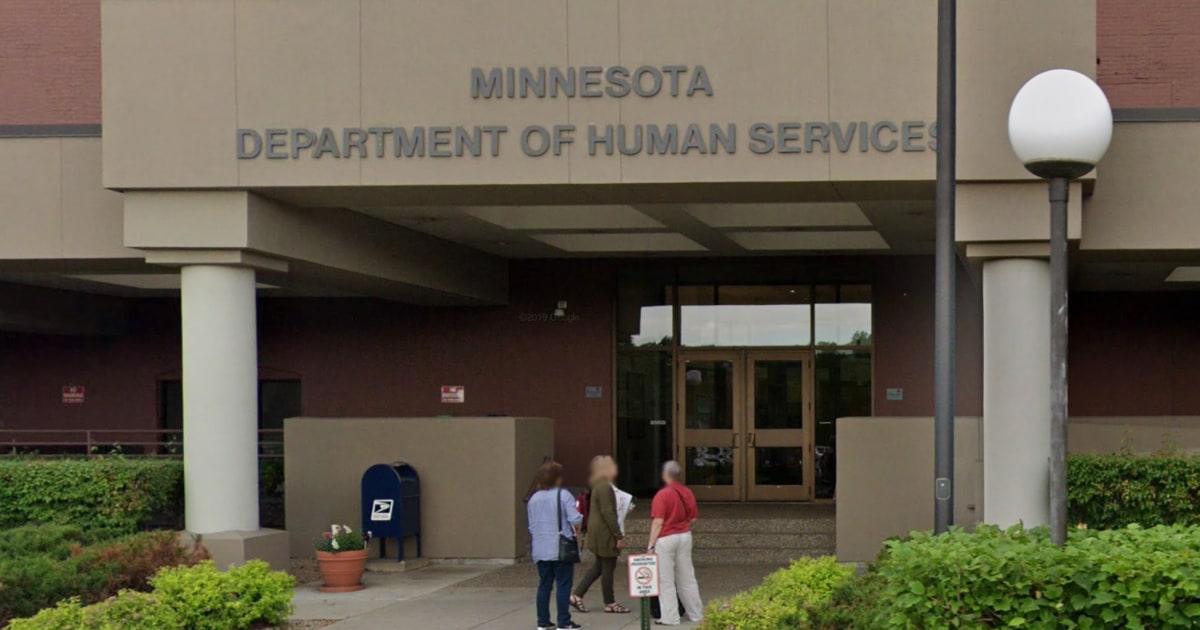
Minnesota department finds child care centers targeted in viral video operating normally
Overview
Federal prosecutors have charged dozens of people with defrauding programs intended to aid vulnerable groups—children, autism therapy recipients, homelessness services, and senior housing—stealing hundreds of millions of dollars, with most defendants identified as Somali.
Minnesota receives about $185 million annually to subsidize child care centers serving roughly 19,000 children; HHS froze this funding amid fraud allegations tied to a viral influencer video.
Investigators found several Minnesota centers accused of fraud were operating normally, indicating the on-site conditions did not match viral claims.
Minnesota continues active oversight with 55 open investigations; the Department of Children, Youth, and Families must provide recipient verification information to federal officials by Jan. 9.
Viral videos and national attention have intensified scrutiny of Minnesota’s child care funding, even as providers await funding decisions and state oversight remains in active operation.
Analysis
Center-leaning sources present a neutral, event-driven synthesis: citing DCYF statements that centers were operating as expected, reporting ongoing investigations, and noting CBS News Minnesota's findings of no fraud. They include Trump-era allegations as contested, quote both supporters and critics, and avoid endorsing any single narrative, focusing on verifiable developments.
FAQ
HHS froze $185 million in Minnesota’s annual Child Care Fund, which subsidizes centers serving roughly 19,000 children.
The fraud claims were tied to viral videos by an influencer, which brought national attention, though on-site investigations found several accused centers operating normally.
The Department of Children, Youth, and Families must provide recipient verification information to federal officials by January 9.
Minnesota has 55 open investigations into child care fraud, with active state oversight ongoing.
A federal audit estimated that 11% of payments had flaws, potentially impacting $231.4 million in claims across over 1,150 providers, mainly due to attendance tracking issues.
