Washington National Opera Leaves Kennedy Center Amid Funding Clash and Grenell’s Controversial Defense
Washington National Opera will end its Kennedy Center residency, citing a funding-model conflict; Kennedy Center president Richard Grenell defended the split and drew online criticism.


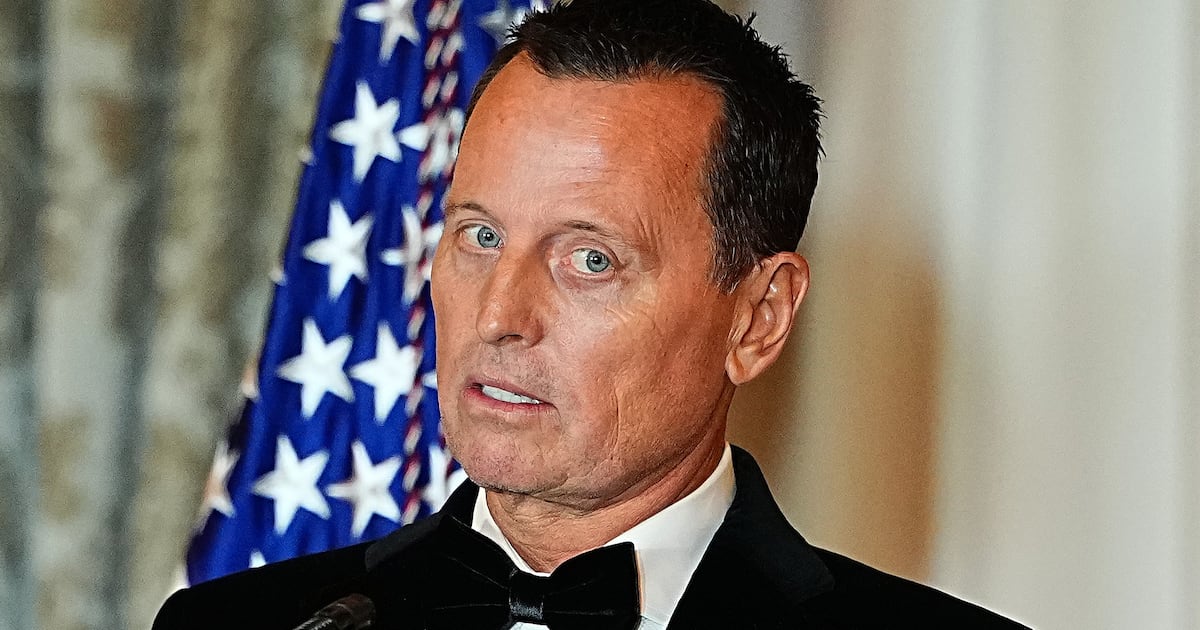


Overview
Washington National Opera announced an amicable early termination with the Kennedy Center, resuming as an independent nonprofit, reducing its spring season and relocating shows due to new full-funding requirements.
Kennedy Center president Richard Grenell said the center ended the exclusive opera partnership to gain programming flexibility, citing multimillion-dollar deficits, then accused hackers after deleting and reposting his X statements.
Accounts differ: WNO described the split as amicable while sources said the decision was not mutual; center spokesperson Roma Daravi and Grenell framed the move as fiscally necessary.
Since the center's renaming to include President Trump, several artists and organizations have canceled or suspended events, intensifying controversy and complicating future programming and partnerships.
Washington National Opera will seek alternative venues and continue diverse programming; the Kennedy Center says it will broaden opera offerings and cites record fundraising to stabilize its finances.
Analysis
Center-leaning sources frame the story as a politically driven cultural purge, emphasizing Trump's renaming, legal challenges and a cascade of artist cancellations. Editorial choices favor artists' perspectives and institutional critique—foregrounding cancellations, "controversial" language, and legal disputes—while treating the Kennedy Center's financial-defense as secondary context rather than central explanation.
FAQ
The Washington National Opera left the Kennedy Center because new funding rules required all productions to be fully financed in advance, centralized support from the center was reduced, and the partnership had become financially challenging amid declining ticket sales and donations, making the affiliation unsustainable for the opera company.
President Donald Trump’s takeover as chairman, the renaming of the institution to include his name, and the accompanying leadership changes led to donor pushback, artist cancellations, and reputational controversy, which contributed to financial strain and intensified the opera company’s decision to end its residency.
While public statements from both sides describe the separation as an “amicable early termination,” reporting indicates that accounts differ, with some sources suggesting the move was driven more by the Kennedy Center’s financial and policy shifts than by a jointly planned exit.
Washington National Opera will resume operations as an independent nonprofit, scale back its upcoming spring season, and relocate its productions to alternative venues in the Washington area while maintaining a mix of popular and lesser-known works aimed at diverse audiences.
Kennedy Center leaders, including spokesperson Roma Daravi and president Richard Grenell, argue that the long-running opera affiliation had become financially challenging, contributing to multimillion-dollar deficits, and that ending the exclusive relationship allows the center to stabilize its finances and gain flexibility to broaden its opera and performing arts programming.

