Mattel launches first autistic Barbie to expand inclusive representation
Mattel released its first autistic Barbie, developed with the Autistic Self Advocacy Network, featuring sensory-friendly design, accessories, and wide retail availability nationwide to promote inclusion.





Overview
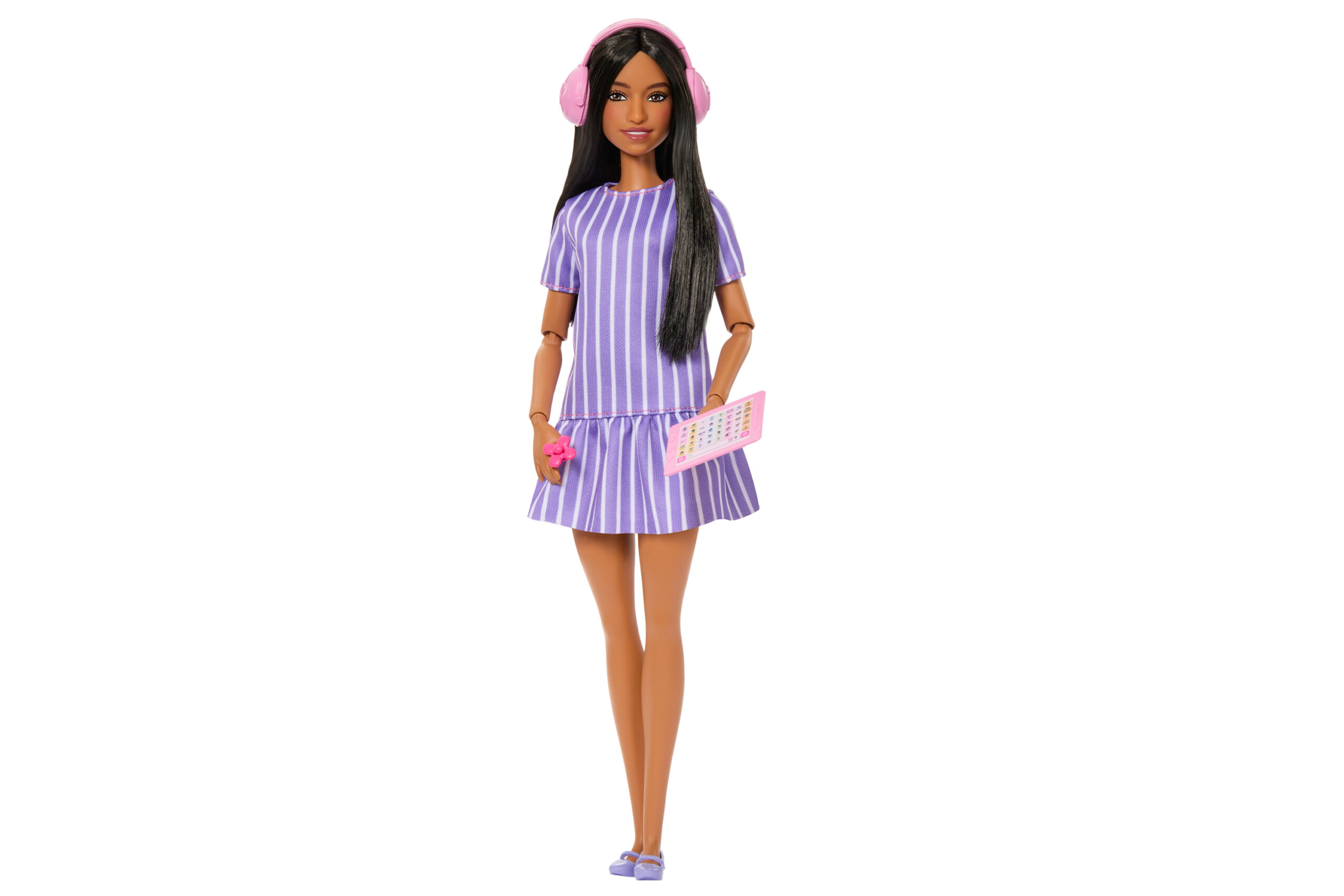
Mattel, with the Autistic Self Advocacy Network and input from autistic children and families, developed the doll to better represent neurodivergent experiences in its Fashionistas lineup.
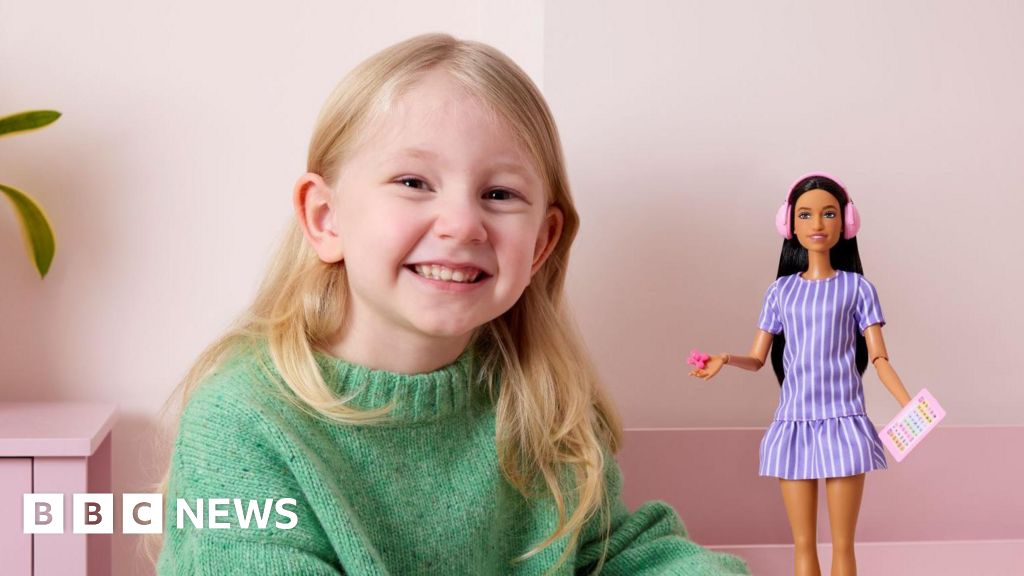
The doll includes noise-cancelling headphones, a pink fidget spinner, a tablet inspired by AAC devices, slightly averted gaze, bendable joints and loose clothing for sensory comfort.
Released Monday after 18 months of development, the autistic Barbie is available on Mattel's website and Target, with Walmart stocking it in March; suggested price about $11.87.
Mattel will donate over 1,000 dolls to pediatric hospitals, and parents and advocates praised the release as offering visible, joyful representation for autistic children and girls.
Advocates say the doll helps normalize neurodiversity and start conversations, while groups caution autism varies widely; CDC and UK groups estimate prevalence and underline diverse needs.
Analysis
Center-leaning sources frame the story positively, emphasizing representation and joy through editorial choices: upbeat language ("authentic, joyful"), curated emotional testimonials (a mother's "massive smile", advocates calling it a "milestone"), prioritizing advocacy voices and product details while omitting skeptical or critical perspectives about commercialization or stereotyping.
FAQ
The doll includes noise-cancelling headphones, a pink fidget spinner, a tablet inspired by AAC devices, slightly averted gaze, bendable elbow and wrist joints for stimming, and loose clothing for sensory comfort.
It became available on Monday at Mattel's online shop and Target stores for about $11.87, with Walmart stocking it starting in March.
Mattel partnered with the Autistic Self Advocacy Network (ASAN), incorporating input from autistic children, families, and ASAN's community engagement manager.
Mattel is donating more than 1,000 autistic Barbie dolls to pediatric hospitals across the country that offer specialized services for children on the spectrum.
It joins the Fashionistas line, which includes dolls with Down syndrome, Type 1 diabetes, blindness, prosthetic legs, hearing aids, and diverse body types, skin tones, and hair types.