FDA Canceled Crucial Meeting on Flu Vaccine Strains Amid Severe Flu Season
The FDA's VRBPAC meeting to select flu vaccine strains for the upcoming season has been canceled, raising concerns about vaccine readiness.

 CNBC
CNBCFDA cancels vaccine advisory meeting for choosing flu strains for next season's shots
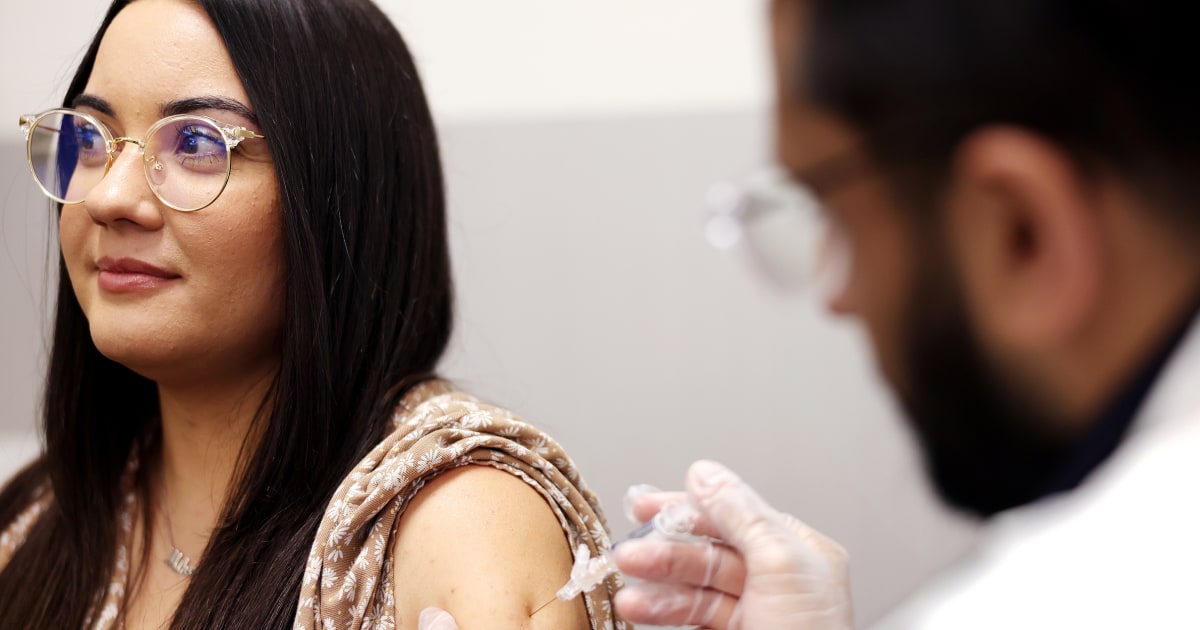
 NBC News
FDA cancels meeting to select flu strains for next season's shots
 CBS News
FDA cancels meeting to update next season's flu vaccines
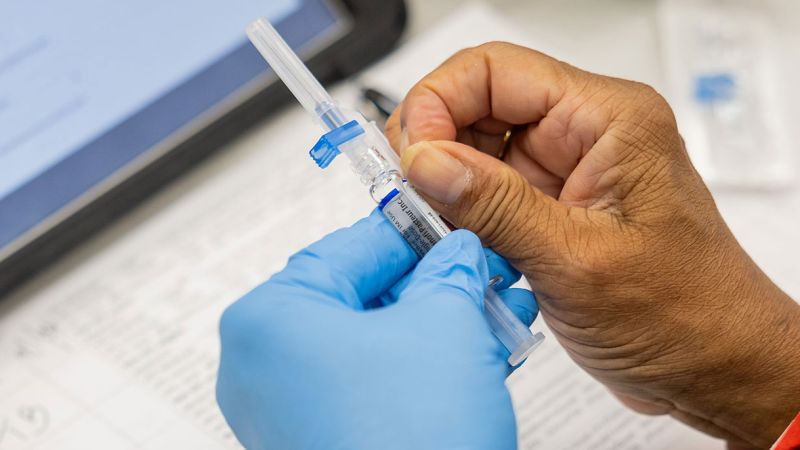
 CNN
CNNFDA meeting to choose flu vaccine composition canceled without explanation
Overview
The FDA's annual Vaccines and Related Biological Products Advisory Committee meeting for March, crucial for selecting flu vaccine strains, has been unexpectedly canceled, sparking concerns about the impact on vaccine manufacturing. The cancellation comes amid a severe flu season, leading to record hospitalizations and deaths. With no explanation provided for the cancellation, uncertainties loom over how manufacturers will proceed. Simultaneously, the CDC is dealing with its own postponed meetings. The current HHS leadership raises further worries regarding future vaccine policies.
Analysis
The FDA has canceled an important advisory meeting that typically selects flu vaccine strains for the upcoming season, leaving guidance for manufacturers uncertain.
The cancellation comes amidst a severe flu season, raising concerns over the availability and effectiveness of next year’s flu vaccines for the public.
The new leadership at HHS, including Robert F. Kennedy Jr., an anti-vaccine advocate, adds further apprehension about the future of vaccine policy in the U.S.
FAQ
The FDA did not provide an explanation for the cancellation of the VRBPAC meeting.
The cancellation could delay vaccine production, as manufacturers rely on the meeting to determine which strains to include in the vaccines. This delay might impact the availability of vaccines at the start of the flu season.
The current flu season is severe, with record hospitalizations. Early data suggests that this season's flu vaccine may not be well-matched to some circulating strains, particularly H3N2, which could affect vaccine effectiveness.
Yes, there is uncertainty about U.S. participation in the WHO's flu strain selection meeting due to past executive orders, though the CDC has been involved in some international reporting.