Eight Healthy Babies Born in UK Using Pioneering Three-Person IVF Technique
Eight healthy babies have been born in the UK using a groundbreaking IVF technique that incorporates DNA from three individuals to prevent inherited mitochondrial diseases.
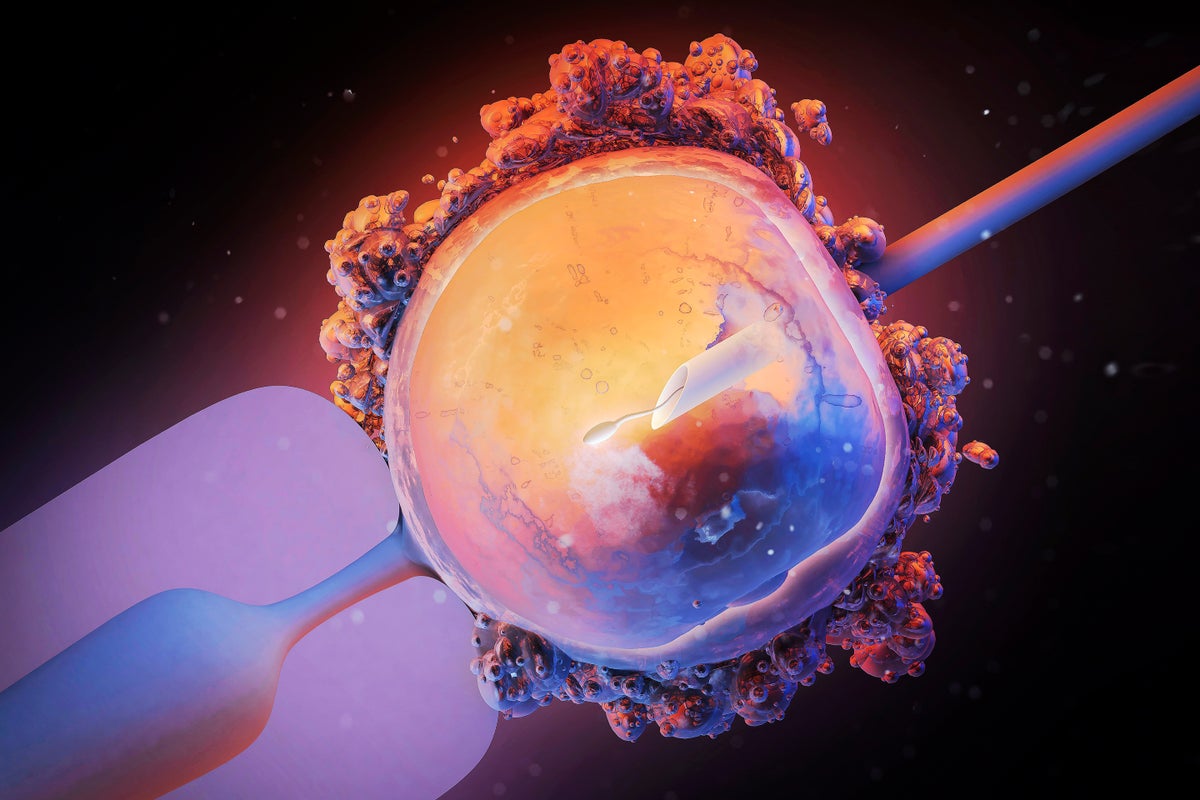
 Scientific American
Eight Healthy Children Born Using Three-Person IVF Technique

 NBC News
Healthy babies born from DNA of three people to prevent inherited diseases

 Gizmodo
8 Healthy 'Three-Parent' Babies Born in UK Using Pioneering IVF Technique
 ABC News
Healthy babies born in Britain after scientists used DNA from three people to avoid genetic disease
Overview
Eight healthy babies were born in the UK through a pioneering IVF technique involving mitochondrial donation from a donor egg.
The procedure aims to prevent inherited diseases caused by mutations in a mother's mitochondrial DNA.
Twenty-two families participated in the trial at the Newcastle Fertility Centre, leading to these successful births.
The technique was made possible by a change in UK law in 2016 allowing mitochondrial donation.
Results were published in the New England Journal of Medicine, marking a significant advancement in reproductive technology.
Analysis
Center-leaning sources frame the birth of "three-parent" babies as a monumental scientific achievement offering profound hope for families afflicted by devastating inherited diseases. They emphasize the procedure's success in preventing severe conditions, portraying it as a necessary and beneficial medical advancement. While acknowledging ethical concerns, these are often contextualized or downplayed by highlighting regulatory oversight and the specific, limited application of the technology.
FAQ
The three-person IVF technique involves transferring the genetic material from the mother's egg into a donor egg that has healthy mitochondria, which helps prevent mitochondrial genetic diseases in babies.
Twenty-two families participated in the trial at the Newcastle Fertility Centre, resulting in eight healthy babies born through the mitochondrial donation technique.
A change in UK law in 2016 allowed the use of mitochondrial donation techniques, enabling the trial and subsequent births using this technology.
Yes, the health of the children is being closely monitored, including detailed developmental assessments at 18 months and plans to assess more subtle developmental issues at 5 years.
No, the pronuclear transfer procedure does not guarantee that every bit of mitochondrial DNA in the baby comes from the donor egg since some of the mother’s mitochondrial DNA can be carried over during the nucleus transfer.