HHS Secretary Kennedy Halts $500 Million mRNA Vaccine Funding, Shifts Research Focus
HHS Secretary Robert F. Kennedy Jr. withdrew $500 million from 22 mRNA vaccine projects, citing safety concerns and insufficient protection, redirecting funds to "safer, broader vaccine strategies" despite expert criticism.
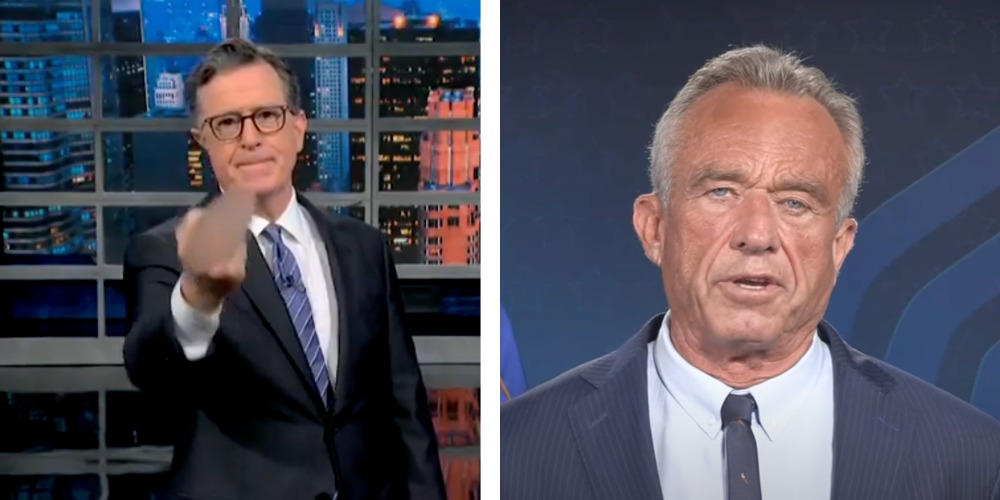
 The Post Millennial
‘F*ck you’: Stephen Colbert loses it over RFK Jr cutting $500 million in mRNA vaccine funding
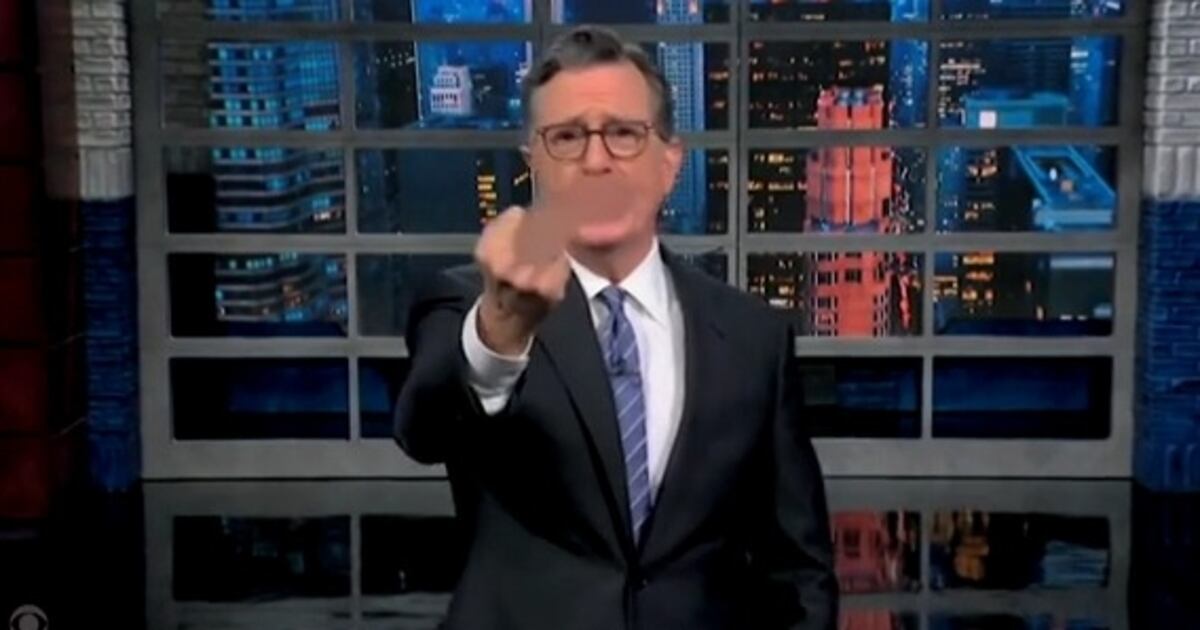
 Daily Beast
Colbert Has a Brutal Two-Word Response to ‘Roadkill-Munching’ RFK Jr.
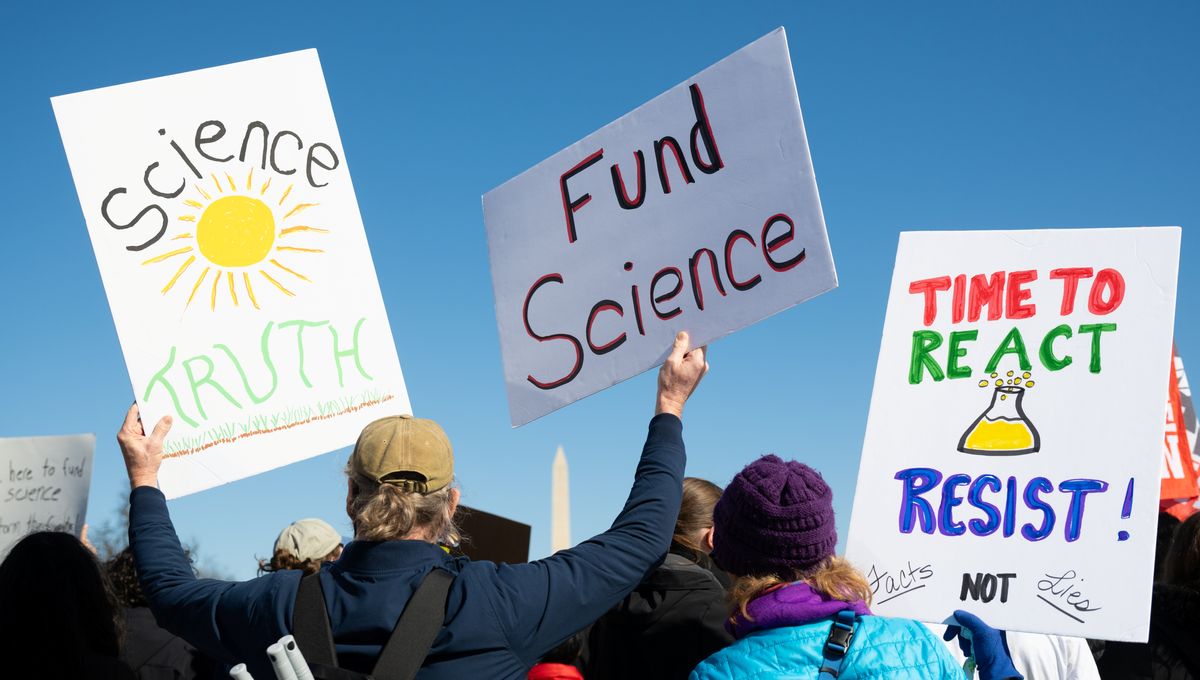
 IFL Science
RFK Jr Pulls Millions Of Dollars Of mRNA Vaccine Funding, Citing Misinformation – Here's What To Know

 ABC News
Trump once hailed mRNA vaccines as a 'medical miracle.' Now RFK Jr. is halting advancement
Overview
HHS Secretary Robert F. Kennedy Jr. has withdrawn $500 million from 22 mRNA vaccine development projects, significantly impacting research efforts by major pharmaceutical companies like Pfizer and Moderna.
Kennedy's decision is based on his belief that mRNA technology poses more risks than benefits for respiratory viruses, citing insufficient protection against COVID-19 and flu.
The funding shift prioritizes "safer, broader vaccine strategies," including whole-virus vaccines and novel platforms, aiming for more effective solutions against mutating viruses.
Infectious disease experts have criticized this unprecedented move, warning it could severely hinder promising research and potentially leave Americans vulnerable to future pandemics.
Despite widespread cancellations, some final-stage mRNA vaccine contracts will continue, and the government is exploring a separate $500 million project for a universal vaccine.
Analysis
Center-leaning sources frame this story by highlighting the scientific consensus on mRNA vaccines' efficacy and safety, contrasting it sharply with RFK Jr.'s decision. They emphasize the technology's "medical miracle" status and "life-saving" impact, portraying Kennedy's actions as a dangerous "sharp pivot" that undermines public health and U.S. biotech leadership, often refuting his claims with expert opinions.
FAQ
Robert F. Kennedy Jr. cited safety concerns and insufficient protection against respiratory viruses such as COVID-19 and flu as reasons for halting $500 million in funding for 22 mRNA vaccine projects. He believes mRNA technology poses more risks than benefits and wants to prioritize safer and broader vaccine strategies.
The funding cancellations affected major pharmaceutical companies like Pfizer, Moderna, Sanofi, and institutions such as Emory University and Tiba Biotech. Contracts and proposals involving these entities were terminated or restructured, with some final-stage contracts continuing.
Infectious disease experts have strongly criticized the decision, warning it could severely hinder promising vaccine research and leave Americans vulnerable to future pandemics. They assert that mRNA vaccines are safe and that their development was crucial in mitigating the 2020 coronavirus pandemic.
HHS is shifting focus and funds towards safer, broader vaccine platforms such as whole-virus vaccines and novel technologies that remain effective even as viruses mutate. The goal is to develop vaccines with broader efficacy against respiratory viruses beyond mRNA technology.
While 22 mRNA vaccine projects have been halted, some final-stage contracts related to mRNA vaccines will continue to preserve prior taxpayer investments. Additionally, the government is exploring a separate $500 million project for a universal vaccine.