CDC Director Susan Monarez Removed After Shortest Tenure Amid Political Interference and Leadership Crisis
CDC Director Susan Monarez was removed on August 27, weeks after confirmation, marking the shortest tenure. Her departure, amid political pressure and internal turmoil, raises public health concerns.
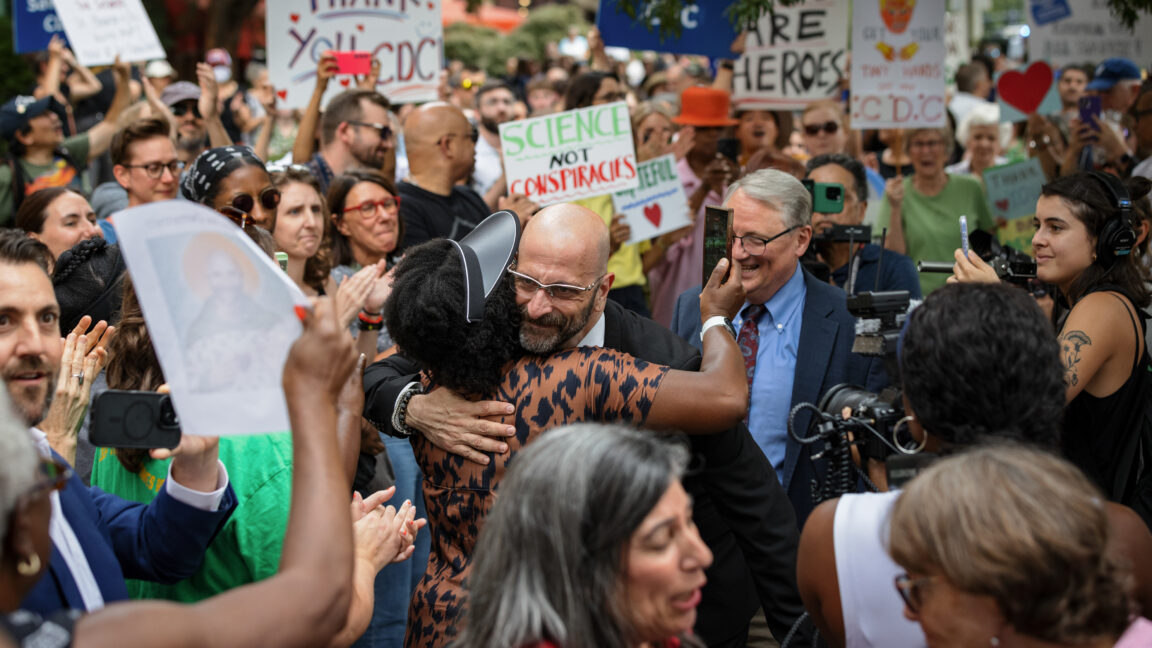
 ARS Technica
CDC spiraled into chaos this week. Here’s where things stand.
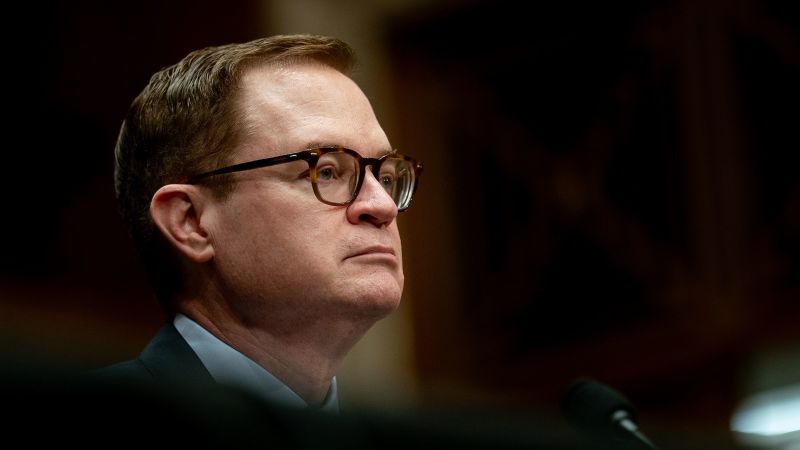
 CNN
CNNNew CDC chief was part of meetings where officials pressed ousted leader on vaccines | Politics

 Techdirt
Chaos At CDC As Trump Admin Ousts CDC Director After Only Weeks On The Job
 Associated Press
Trump's new CDC chief: A Washington health insider with a libertarian streak
Overview
Susan Monarez was removed as CDC Director on August 27, weeks after her July 29 Senate confirmation, making her tenure the shortest in the agency's history.
Her departure followed an August 8 shooting near the CDC's Atlanta campus, alongside internal issues like staff cuts and vaccine policy disputes, leading to her termination.
Monarez, nominated by President Trump, faced intense pressure from HHS Secretary Robert F. Kennedy Jr. over vaccine policies and her refusal to fire senior staff.
Multiple high-ranking CDC officials resigned in protest of political interference and declining scientific integrity; Jim O'Neill, lacking medical training, was appointed acting director.
Health experts warn Monarez's brief tenure and leadership turmoil could disrupt health programs and delay responses to outbreaks, including COVID-19 vaccine availability.
Analysis
Center-leaning sources frame the CDC leadership changes as a crisis of scientific independence, driven by political interference and anti-science agendas. They emphasize the alarm of resigning officials who cite "unscientific, reckless directives" and "ideology permeating science," portraying the administration as undermining public health. The narrative highlights a collective protest against perceived threats to the agency's integrity.
FAQ
Susan Monarez was removed due to intense political pressure from Health Secretary Robert F. Kennedy Jr., her refusal to accept new vaccine policies, and her refusal to fire senior staff amid internal turmoil and a recent shooting near CDC's Atlanta campus.
Jim O'Neill was selected as the interim CDC Director after Susan Monarez was removed.
Internal issues included disputes over vaccine policies promoted by Health Secretary Kennedy, staff cuts, and the fallout from an August 8 shooting near CDC's Atlanta campus.
Her short tenure and the resulting leadership crisis have raised concerns about disruption to health programs and potential delays in response to outbreaks including COVID-19 vaccine availability.
They resigned in protest of increasing political interference and the push of anti-vaccine policies and misinformation by Health Secretary Robert F. Kennedy Jr.


