Washington Resident Hospitalized with First U.S. Human Case of H5N5 Bird Flu
A Washington state resident is hospitalized with the first known human infection of the H5N5 bird flu strain in the U.S., acquired from a backyard flock. Public health officials are investigating.


Overview
A Washington state resident was hospitalized with the H5N5 bird flu strain, marking the first known human infection of this specific virus in the United States.
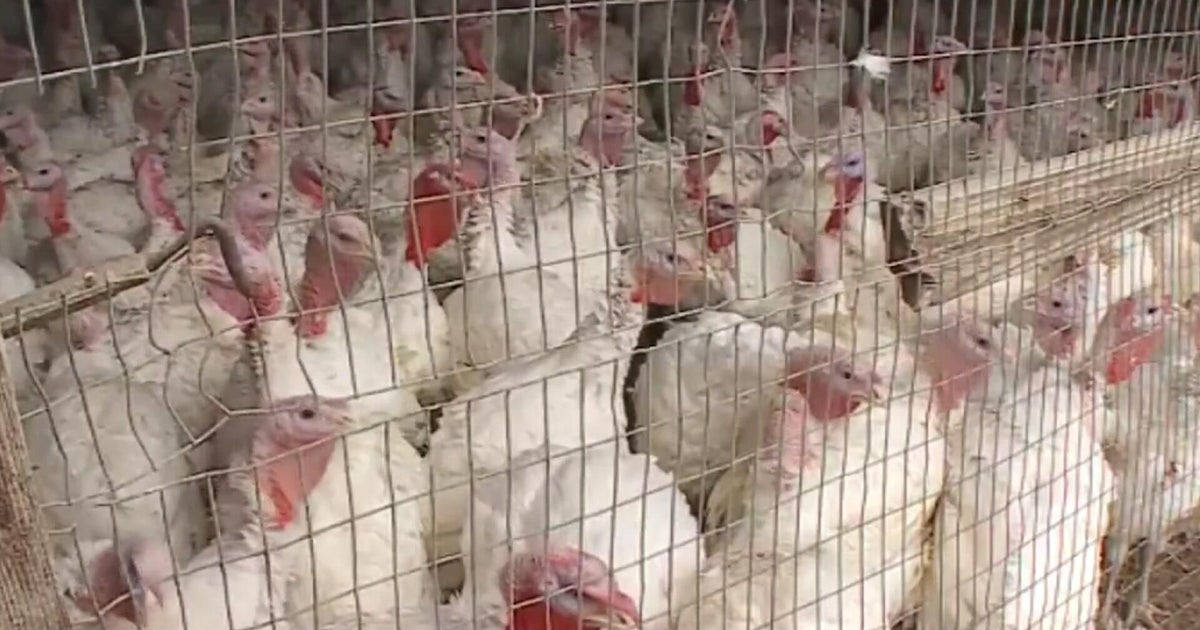
The infected individual, an older adult with underlying health conditions, contracted the virus from their backyard poultry flock exposed to wild birds.
This H5N5 strain is a new variant in human infection, differing from the H5N1 virus responsible for previous human bird flu cases in the U.S.
Public health officials are actively investigating the case to understand the transmission dynamics and any potential broader implications for community health.
The CDC has stated that the H5N5 strain is not considered more dangerous than H5N1, reassuring the public that the overall health risk has not increased.
Analysis
Center-leaning sources cover this story neutrally, prioritizing factual information and expert reassurance. They immediately clarify that the H5N5 virus is not considered a greater public health threat than previous strains, using official statements and expert opinions to temper potential alarm. The reporting avoids sensationalism, focusing on providing balanced context.
FAQ
Symptoms of H5N5 bird flu in humans are similar to other avian influenza strains and can include fever, cough, sore throat, runny nose, and conjunctivitis (pink eye). In severe cases, it may lead to respiratory distress or other complications.
H5N5 bird flu is treated with antiviral medications such as oseltamivir (Tamiflu) or zanamivir (Relenza), which are most effective when started early after symptoms appear. Severe cases may require hospitalization and supportive care.
According to the CDC, the H5N5 strain is not considered more dangerous than H5N1, and the overall public health risk remains low. Both strains can cause severe illness, especially in people with underlying health conditions.
The Washington resident contracted H5N5 bird flu from their backyard flock of domestic poultry, which had been exposed to wild birds. The exact transmission route is still under investigation.
People should avoid contact with sick or dead birds, practice good hygiene, avoid eating raw or undercooked animal products, and get a seasonal flu vaccine to reduce the risk of co-infection with human and avian influenza viruses.