Health Secretary RFK Jr. Directs CDC to Update Vaccine-Autism Guidance, Igniting Public Health Debate
Health Secretary Robert F. Kennedy Jr. directed the CDC to update its vaccine-autism guidance, suggesting the 'no link' claim lacks evidence, drawing strong condemnation from public health experts.
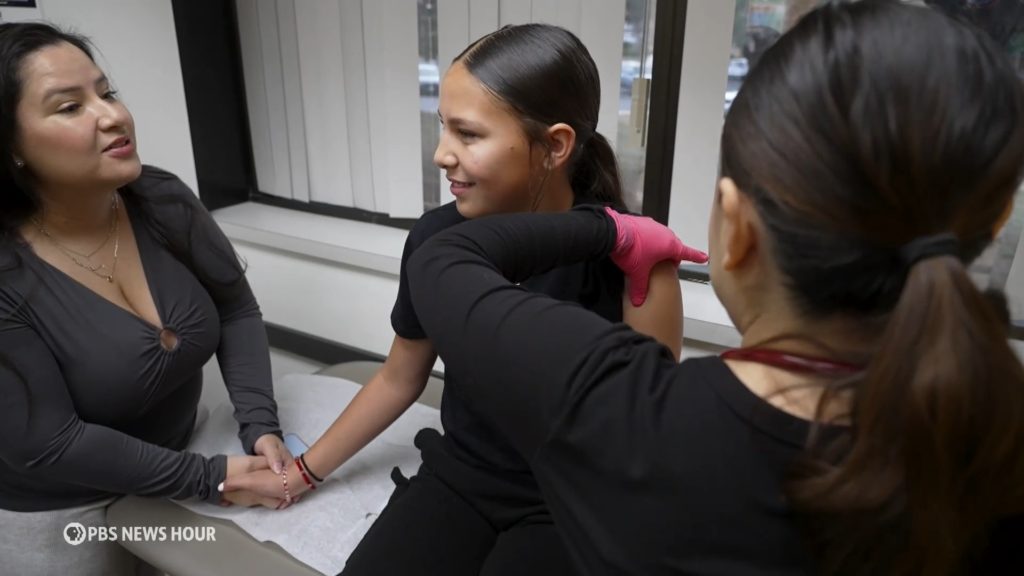
 PBS NewsHour
Colorado aims to protect vaccine access as Trump administration casts doubt on safety

 CNN
CNNRFK Jr. says he personally directed CDC’s new guidance on vaccines and autism
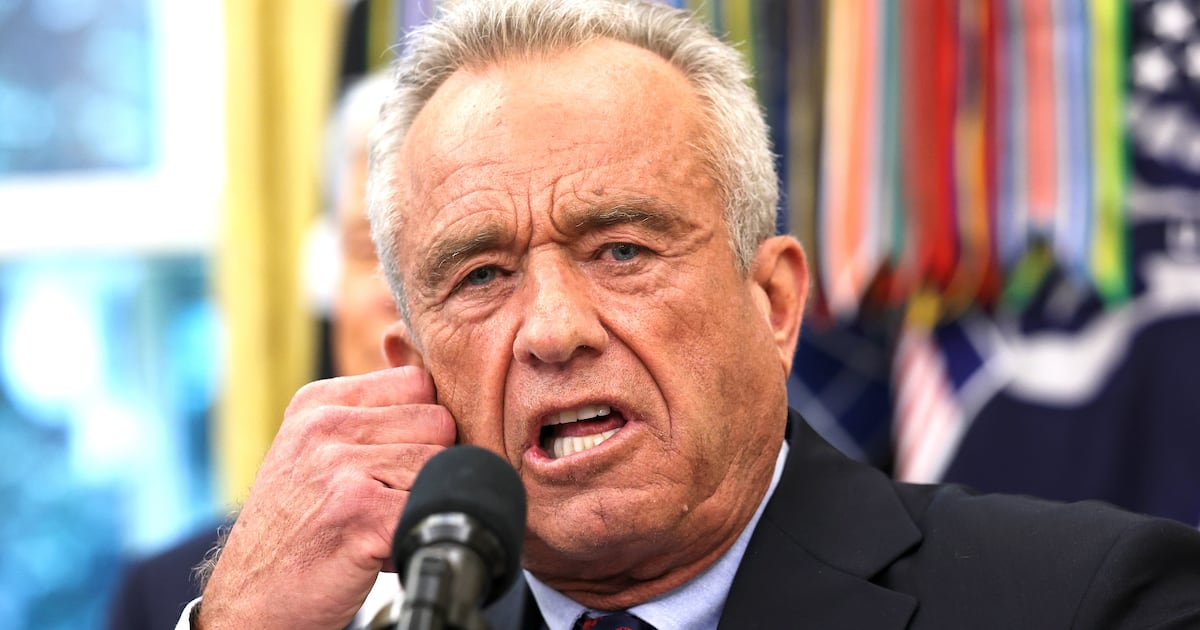
 Daily Beast
RFK Jr. Brags He Ordered Vaccine Reversal That Set GOP Senator Off
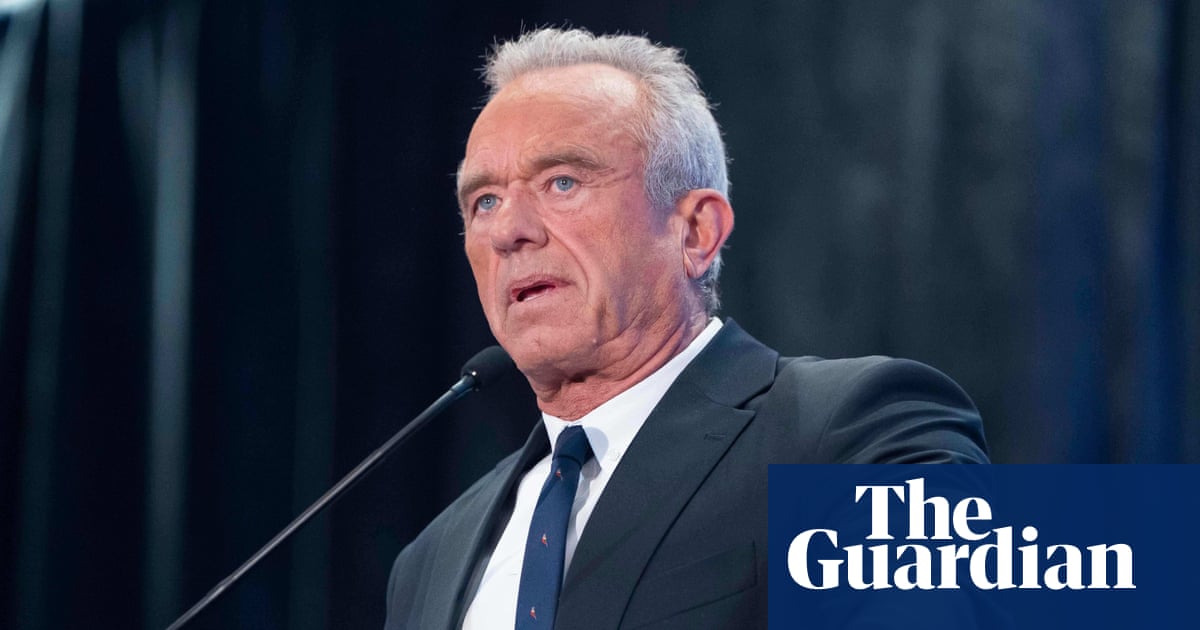
 The Guardian
Robert F Kennedy Jr instructed CDC to change stance on vaccine and autism
Overview
Health Secretary Robert F. Kennedy Jr. personally directed the CDC to update its guidance on vaccines and autism, influencing a significant shift from its previous definitive stance.
The CDC's vaccine safety page now suggests the statement 'vaccines do not cause autism' lacks evidence and does not rule out a potential link between infant vaccines and autism.
This controversial change occurred despite Kennedy acknowledging studies showing no link for certain vaccines, though he claims gaps in overall vaccine safety science.
Public health researchers and advocates strongly refute the updated website, alleging it misleads the public by exploiting scientific method limitations and undermining immunization confidence.
The U.S. Department of Health and Human Services is concurrently conducting a thorough assessment into the potential causes of autism, including biologic mechanisms and environmental links.
Analysis
Center-leaning sources frame this story by consistently portraying the CDC's updated vaccine guidance as unscientific and dangerous. They emphasize that the changes contradict established scientific consensus and are politically motivated, driven by Health Secretary Robert F. Kennedy Jr.'s anti-vaccine stance. The coverage highlights widespread condemnation from the medical community and experts, underscoring the potential harm to public health.
FAQ
Robert F. Kennedy Jr. directed the CDC to update its guidance because he claims that the statement 'vaccines do not cause autism' is not evidence-based, arguing that studies have not ruled out the possibility that infant vaccines might contribute to autism, despite acknowledging some studies showing no link for certain vaccines.
The CDC removed the definitive statement that 'vaccines do not cause autism' and now states that this claim is not evidence-based because studies have not ruled out the possibility that infant vaccines might cause autism, marking a significant shift from prior firm assertions.
Public health experts and autism organizations strongly criticize the update, stating that no credible evidence links vaccines to autism and that the change risks misleading the public, undermining vaccine confidence, and potentially increasing preventable diseases.
Experts warn the change may cause parents to delay or refuse vaccinations, leading to reduced immunization rates and a resurgence of preventable diseases, as the updated messaging appears to validate disproven vaccine-autism concerns.
Yes, the U.S. Department of Health and Human Services is conducting a thorough assessment into potential causes of autism, including biological mechanisms and environmental factors, with funding and support for studies related to infant vaccines and autism.