Researchers Utilize IVF Embryos and Blastoids to Screen Drugs for Miscarriage Prevention
Scientists are testing IVF embryos and blastoids in experiments to screen drugs. This research aims to identify promising candidates to effectively prevent miscarriages, advancing reproductive health.
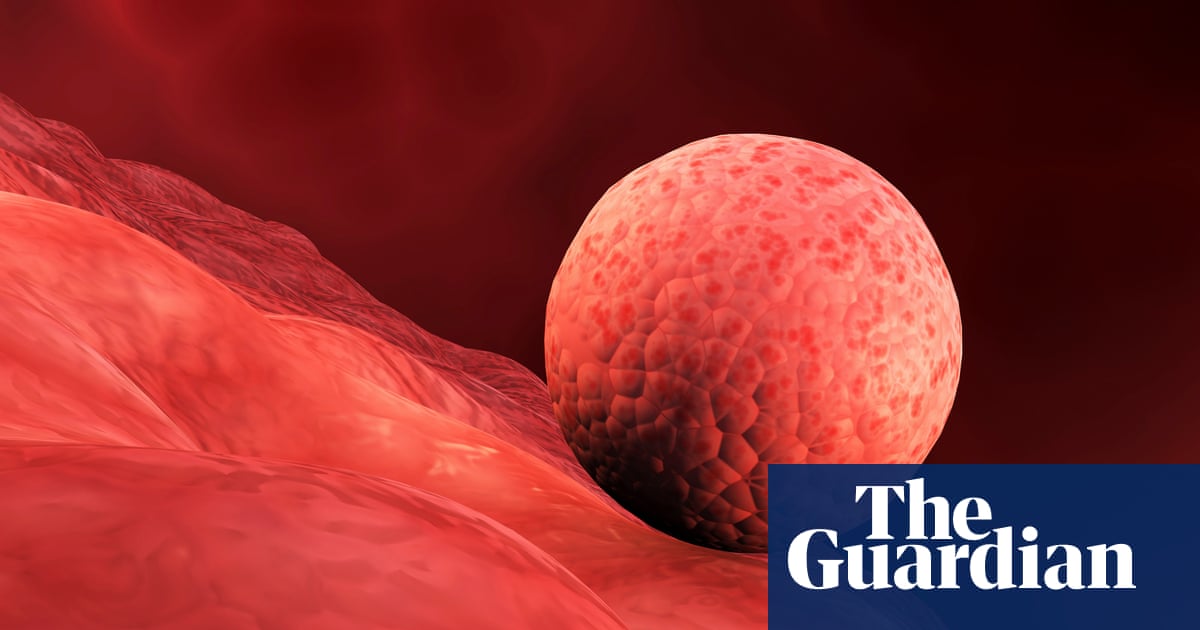


Overview
Researchers are actively conducting experiments involving IVF embryos to understand early human development and potential interventions.
The studies specifically utilize blastoids, which are models resembling early embryos, to facilitate various experimental procedures.
A primary objective of this research is to screen different drugs for their efficacy in preventing miscarriages.
Through these rigorous experiments, scientists are working to identify and validate promising drug candidates that could improve pregnancy outcomes.
This innovative approach aims to significantly reduce the incidence of miscarriages, offering new hope for individuals facing reproductive challenges.
Analysis
Center-leaning sources cover this story neutrally, focusing on the scientific breakthrough of in vitro implantation and its potential to improve IVF outcomes. They present the research findings, methodologies, and ethical considerations, such as the 14-day rule, without employing loaded language or selective emphasis. The coverage includes diverse expert perspectives, maintaining an objective tone.
FAQ
Blastoids are stem cell-derived structures that closely resemble early-stage blastocysts, used as ethical models for studying human embryo development, implantation, and drug screening without using actual human embryos.[1]
Blastoids enable high-throughput drug screening to identify candidates that improve embryo implantation and early development, key factors in preventing miscarriages, by testing effects of drugs, toxins, and nutrients on these models.[1]
IVF embryos are used alongside blastoids in experiments to study early human development and screen drugs for interventions that enhance implantation and reduce miscarriage risks.[7]
Research shows molecules like lysophosphatidic acid improve blastoid formation and implantation rates, potentially enhancing IVF success; toxins like caffeine and nicotine impair development similarly to natural embryos.
Blastoids are scalable from stem cells, avoiding ethical issues and scarcity of human embryos, while providing reliable models for drug discovery in reproductive health.[4]


