Vaccine Schedule Reforms: Universal, High‑Risk, and Shared‑Decision Groups Adopted
Health authorities replace the universal schedule with three groups—universal, high‑risk, and shared‑decision—covering measles, mumps, rubella, polio, varicella, HPV, and more, including meningococcal and hepatitis vaccines.
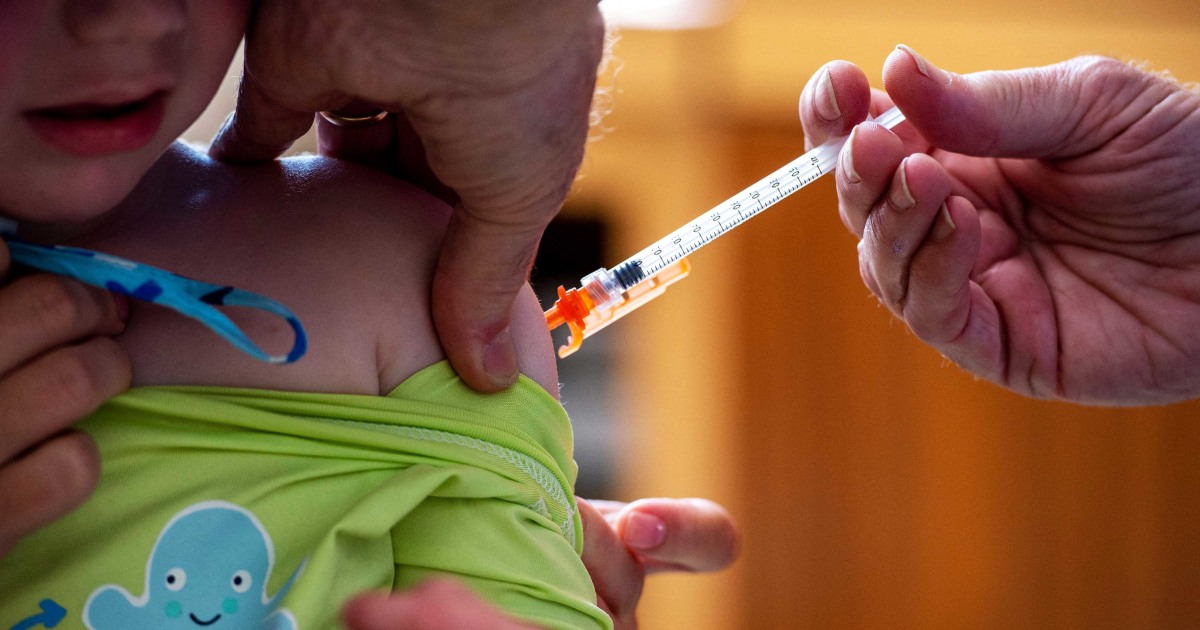
 NBC News
How the CDC's vaccine guidance changes could affect your next pediatrician visit

 The Atlantic
RFK Jr.’s Next Move Is What Anti-Vaxxers Have Been Waiting For
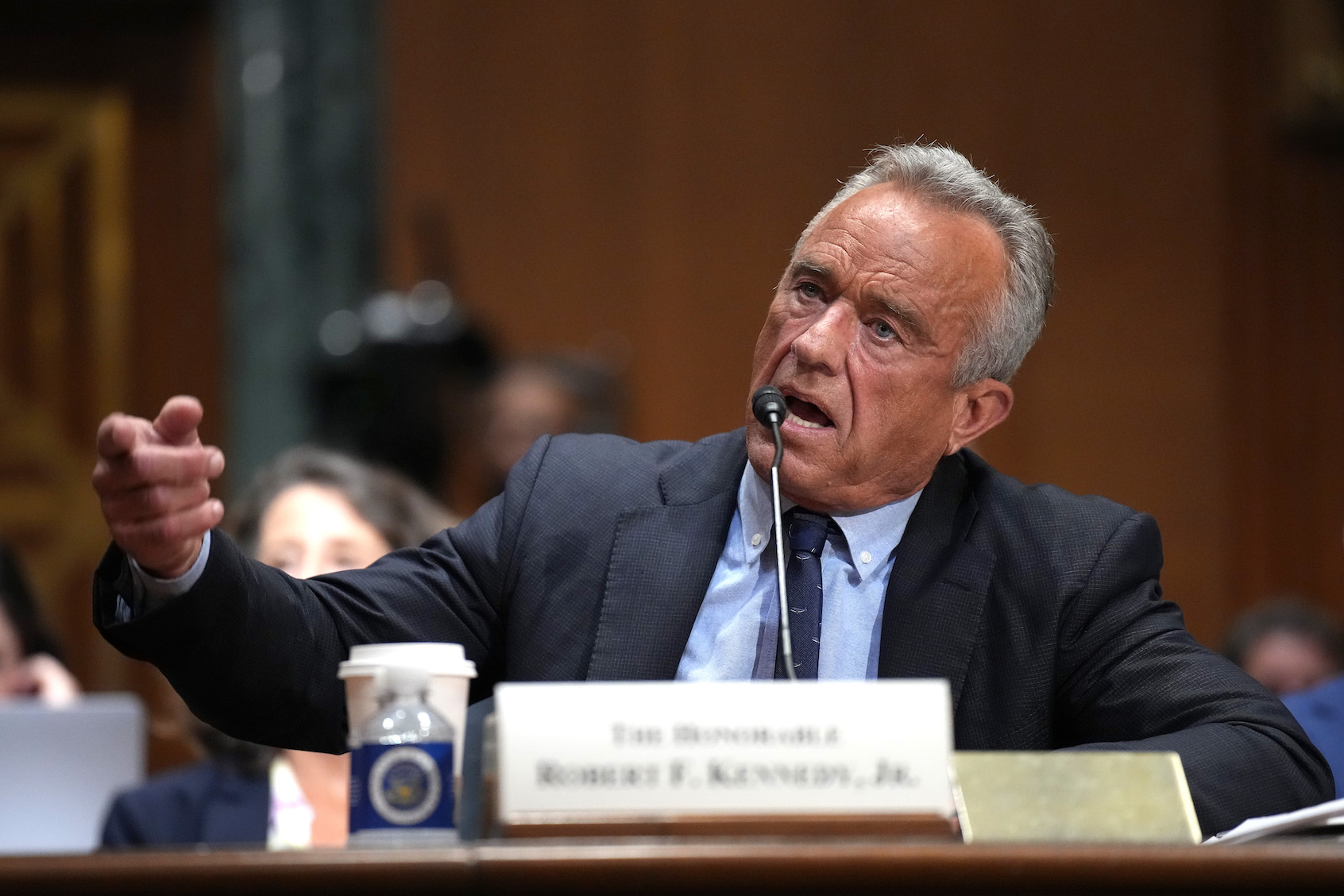
 Salon
Salon"Meant to confuse": Public health advocates slam RFK Jr.’s vaccine schedule changes

 CNN
CNNWhat parents need to know about the overhauled childhood vaccine schedule
Overview
The updated vaccine schedule classifies vaccines into universal, high‑risk, and shared‑decision‑making groups, yielding tailored recommendations based on individual risk and clinician judgment.
Broadly recommended vaccines include measles, mumps, rubella, polio, chickenpox (varicella), HPV, and other diseases, now addressed within the new universal or high‑risk categories.
High‑risk group vaccines cover meningococcal disease and hepatitis A and B, where vaccination decisions involve families and clinicians through shared decision‑making.
States retain authority to require school vaccinations, and existing access or insurance coverage is expected to persist through 2026, despite revisions to the federal schedule.
Public health groups warn shifts could lower vaccination rates and spark outbreaks, while supporters say alignment with international norms may bolster trust and uptake.
Analysis
Center-leaning sources... portray the CDC reform as controversial and potentially confusing, foregrounding public-health risk and practical burdens for families. They emphasize expert warnings about lower vaccine uptake and mixed messages, while presenting the policy's political backdrop (Trump-era impetus) and insurer continuities as context. Source voices appear, but framing centers on uncertainty and caution.
FAQ
Universal recommendations include vaccines against measles, mumps, rubella (MMR), polio, varicella (chickenpox), and HPV.
High-risk group includes meningococcal disease, hepatitis A, and hepatitis B. Shared decision-making covers rotavirus, COVID-19, influenza, meningococcal disease, hepatitis A, and hepatitis B.
The changes follow a Trump presidential order to align the U.S. schedule with peer nations, citing improved public trust, unknown risks, and limited safety data on some vaccines.
Experts criticize the lack of consultation with the Advisory Committee on Immunization Practices, absence of public discussion, potential legal violations, increased confusion, and risk of lower vaccination rates leading to outbreaks.
Existing insurance coverage under ACA plans continues through at least 2026; states retain authority to require school vaccinations.
