U.S. Releases Controversial 2025–2030 Dietary Guidelines Prioritizing Protein, Whole Foods
HHS and USDA issued national 2025–2030 guidelines urging higher protein, whole foods, healthy fats, drawing criticism for red meat, full-fat dairy and vague alcohol guidance.
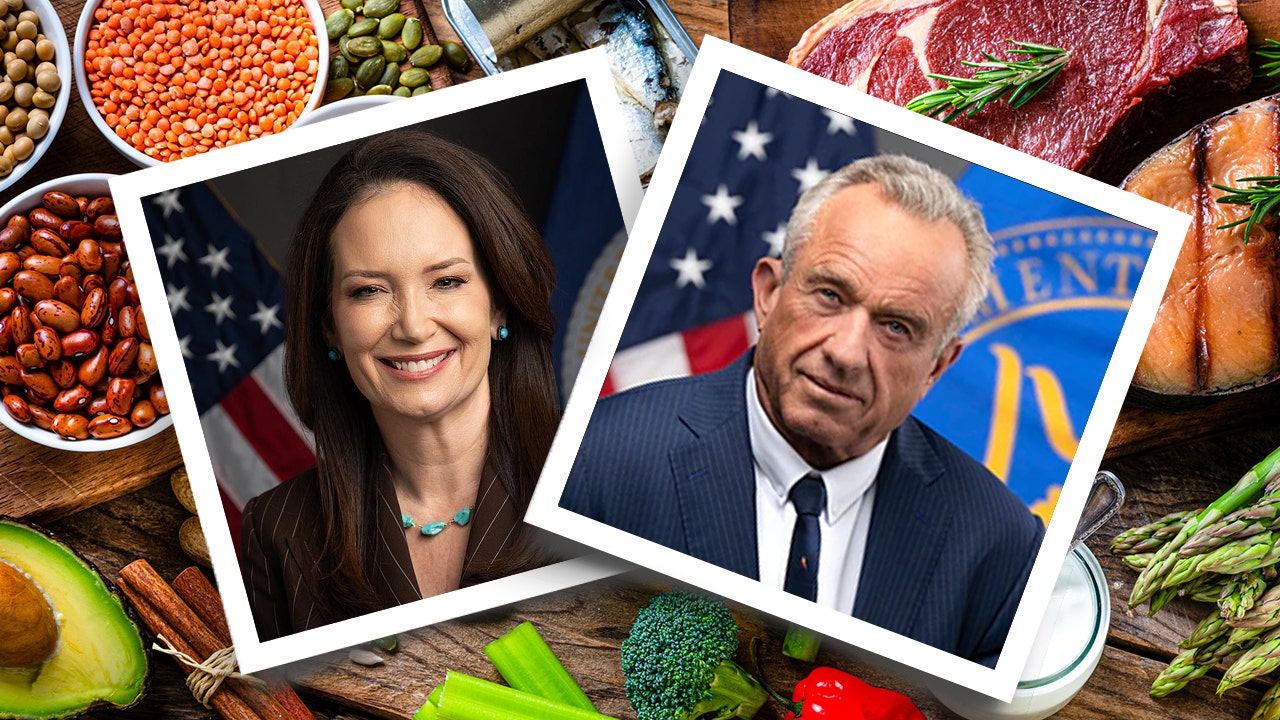
 FOX News
BROOKE ROLLINS, ROBERT KENNEDY JR: New dietary plan recommends real food for all Americans

 MIT Technology Review
America’s new dietary guidelines ignore decades of scientific research
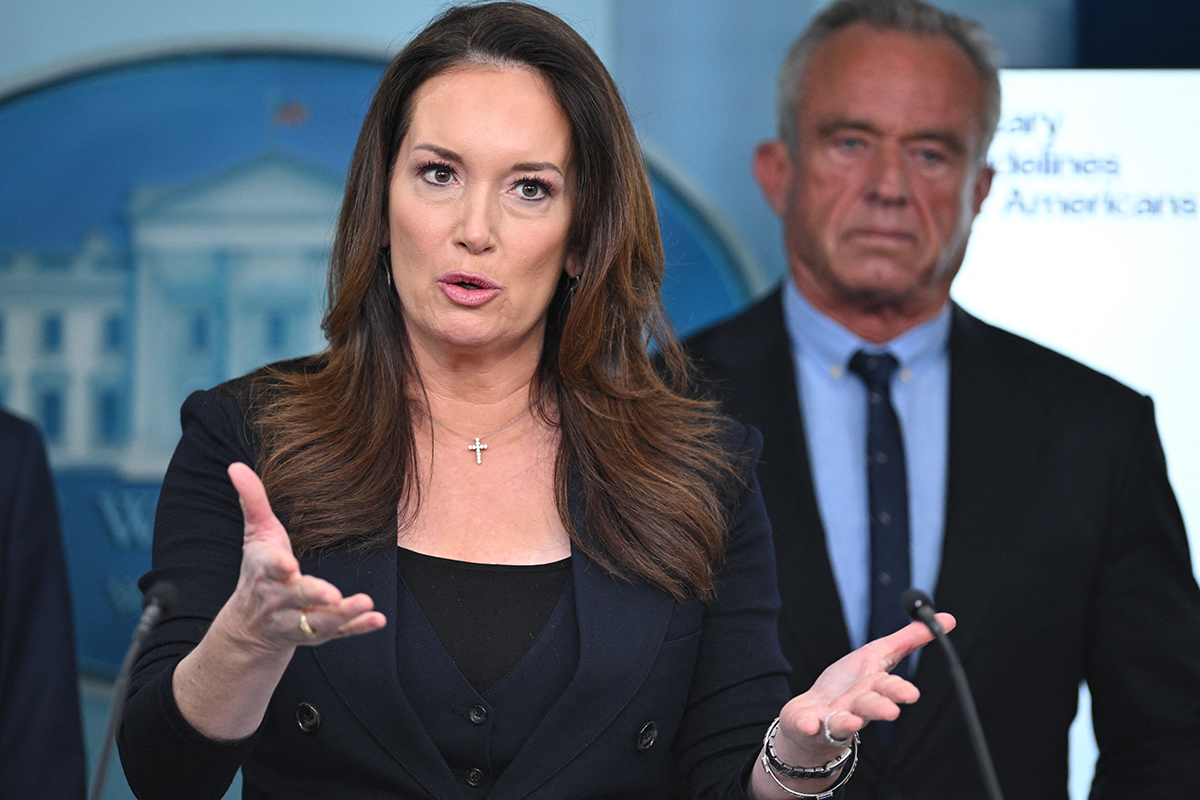
 Christian Post
Trump admin. revises 'food pyramid' to prioritize protein, veggies; Americans urged to 'eat real food'
 The Atlantic
The Two Sides of America’s Health Secretary
Overview
HHS Secretary Robert F. Kennedy Jr. and USDA Secretary Brooke Rollins released the Dietary Guidelines for Americans 2025–2030 in early January 2026, accompanied by the RealFood.gov campaign.
Guidelines prioritize protein, dairy, vegetables, fruits, whole grains and 'healthy fats,' featuring an inverted pyramid and recommending 1.2–1.6 g/kg protein targets.
The guidelines will influence federal programs including school meals and food assistance, with some changes expected to take effect in procurement and menus by 2027.
Nutrition scientists and medical groups criticized inclusion of red meat, butter and beef tallow, citing established saturated-fat risks and concerns about process transparency and ignored scientific reports.
Guidance tightens added-sugar limits and discourages ultra-processed foods but removes numeric alcohol limits, prompting divided responses from heart groups and public-health experts.
Analysis
Center-leaning sources frame the guidelines skeptically by emphasizing contested elements (weaker alcohol limits, promotion of full‑fat dairy, industry ties) and highlighting expert and WHO counter-evidence. Editorial choices—headlines like “dramatic change,” placement of critical quotes, and noting scientists’ industry ties—stress risk and controversy, while officials’ statements are presented as source content.
FAQ
Compared with prior guidelines, the 2025–2030 Dietary Guidelines substantially increase recommended protein intake from 0.8 g/kg to about 1.2–1.6 g/kg body weight and call for including high‑quality protein at every meal, explicitly embracing a broad mix of animal and plant protein sources.[3][4] They also “end the war on healthy fats” by encouraging fats from whole-food sources such as meats, eggs, omega‑3‑rich seafood, nuts, seeds, olives, avocados, and full‑fat dairy, while still advising limits on added sugars, refined carbohydrates, highly processed foods, and “unhealthy fats.”
Organizations such as the Center for Science in the Public Interest and the Physicians Committee for Responsible Medicine argue that prioritizing animal protein, butter, and full‑fat dairy conflicts with long‑standing evidence that saturated fat from meat and dairy raises LDL cholesterol and cardiovascular risk.[2][3][5] They say this guidance undermines the advisory committee’s recommendation to emphasize plant‑based proteins and reflects food‑industry influence rather than a strict reading of the scientific evidence on heart disease, diabetes, and obesity.[2]
Because the Dietary Guidelines for Americans set the nutrition standards for federal programs, the 2025–2030 update will drive changes in procurement specifications and menu patterns for school meals, SNAP, WIC, and other assistance programs.[4][7] The shift toward more protein, whole foods, and full‑fat dairy and away from highly processed, refined, and sugary products will gradually be reflected in what foods schools and agencies are allowed and incentivized to purchase, with implementation typically phased in over the following years.
RealFood.gov is the federal public‑facing campaign launched alongside the 2025–2030 Dietary Guidelines to promote the new “real food” message, which centers on higher protein intake, whole foods, healthy fats, and reduced ultra‑processed foods, added sugars, and refined starches.[3][4] The campaign’s messaging highlights that the guidelines “end the war on protein,” call out highly processed foods for the first time, and encourage choosing minimally processed, nutrient‑dense foods across all major food groups.
The new guidelines keep long‑standing limits on saturated fat and sodium but are being criticized for not clearly connecting these limits to high‑saturated‑fat foods like red meat and full‑fat dairy, which groups such as the American Heart Association and Physicians Committee say remain key drivers of cardiovascular disease.[1][5] Public‑health experts are also divided over the decision to drop specific numeric alcohol limits, with some heart and prevention groups warning that weaker, less explicit alcohol guidance could undermine efforts to limit alcohol‑related health risks.