HHS Unveils New Dietary Guidelines Emphasizing Protein, Whole Foods; Experts Debate Saturated Fat and Industry Ties
HHS unveils 2025–2030 Dietary Guidelines promoting whole foods, higher protein and fats, reduced ultra‑processed foods; experts debate saturated fat limits, industry ties, public health implications.

 FOX News
How much red meat is too much? Experts weigh in on food pyramid updates
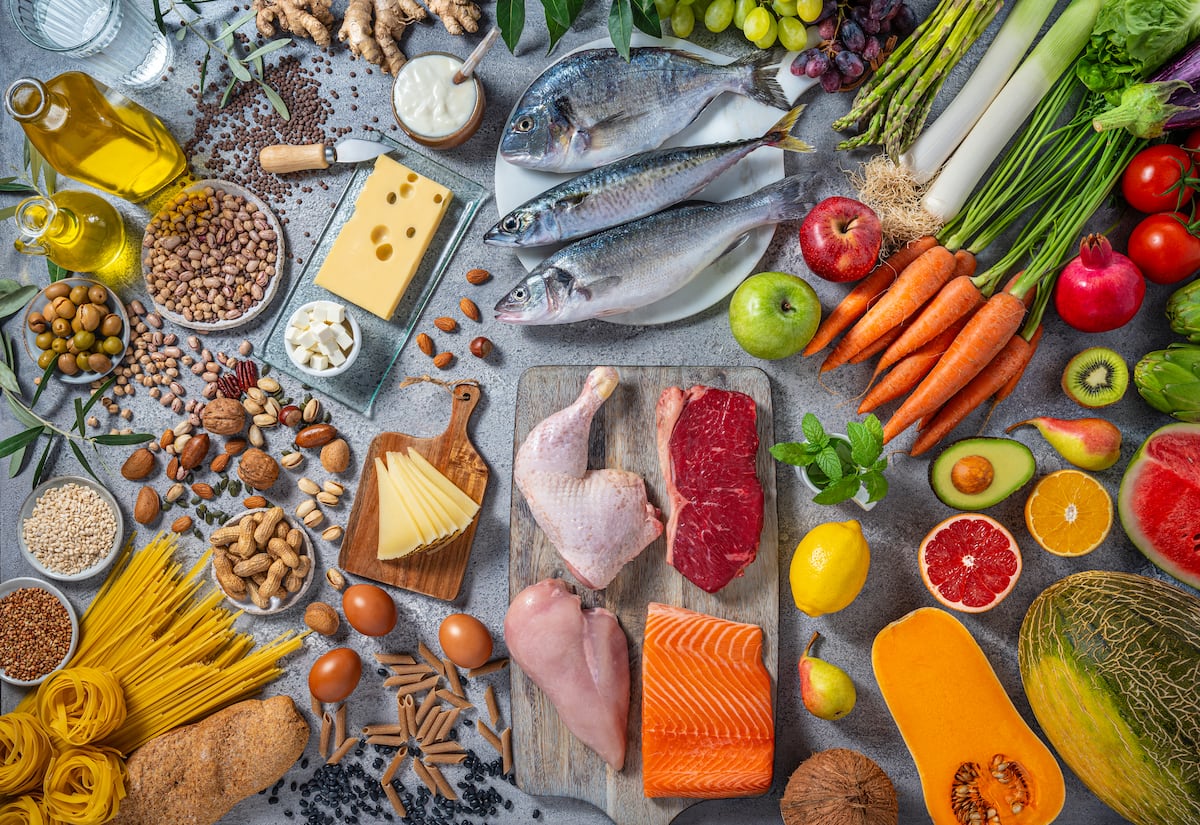
 El Pais
US redefines the food pyramid in line with the ‘Make America Healthy Again’ movement
 The Free Press
Mark Hyman: At Last, the Truth About Food
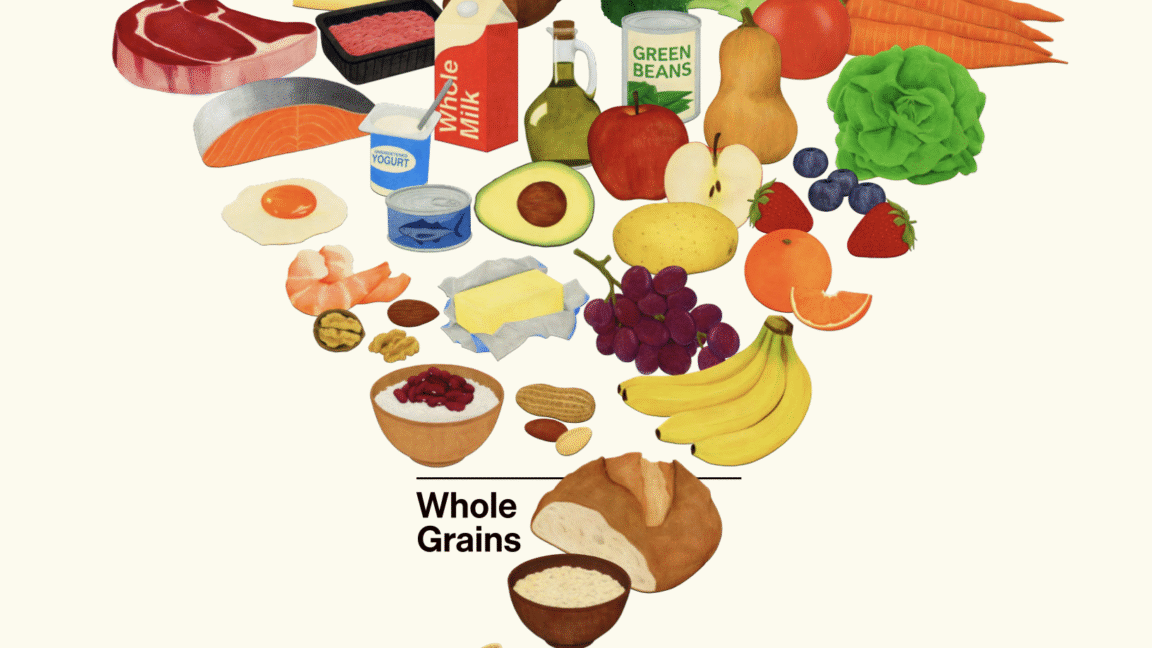
 ARS Technica
RFK Jr.’s dietary guidance: Food funnel features slab of red meat, butter
Overview
HHS, led by Health Secretary Robert F. Kennedy Jr., released the 2025–2030 Dietary Guidelines on Jan. 7, promoting an inverted food pyramid emphasizing protein, vegetables, fruits, and healthy fats.
Guidelines prioritize "real, whole, nutrient-dense foods", increase emphasis on "high-quality" proteins and full-fat dairy while calling for dramatic reductions in highly processed foods and added sugars.
Experts note guidelines still recommend saturated fat under ten percent of calories, yet imagery and messaging appear to ease prior warnings; medical groups express concern about cardiovascular risks.
Documents show several guideline contributors have recent ties to meat, dairy, and food companies, prompting critics to allege industry influence and question guideline transparency.
Officials urge personalized nutrition—consult clinicians or dietitians—highlighting that saturated fat tolerance varies by genetics, health status, and that processed meats remain advised to be limited.
Analysis
Center-leaning sources frame the coverage skeptically, using loaded terms ("lambaste," "corrupt") and prominent placement of industry ties and expert criticism to cast doubt on the guidelines. They foreground inconsistencies between visuals and recommendations and highlight scientific uncertainty. Direct quotes (e.g., Kennedy's proclamations) remain source content, used to illustrate, not originate, the framing.
FAQ
The new guidelines put much stronger emphasis on whole, nutrient‑dense foods; recommend higher protein intake (about 1.2–1.6 g/kg/day); explicitly endorse full‑fat dairy without added sugar; sharply discourage highly processed foods and sugar‑sweetened beverages; and lower suggested whole‑grain servings while retaining prior caps on saturated fat, added sugar, and sodium (including keeping saturated fat under 10% of total calories).
The guidelines formally keep the long‑standing recommendation that saturated fat stay below 10% of daily calories, but they also highlight foods like meat, butter, beef tallow, and full‑fat dairy, making it difficult for many people to stay under that limit; some experts and cardiology groups warn this could increase cardiovascular risk, while others argue that focusing on whole foods and avoiding highly processed items may mitigate harms even when saturated fat intake is somewhat higher.
Documents show that several contributors to the guidelines have recent financial or professional ties to meat, dairy, and other food companies, raising concerns that recommendations—such as strong promotion of animal protein and full‑fat dairy—may reflect industry interests as well as science, and prompting calls for greater transparency around conflicts of interest.
Groups like the American Heart Association support the stronger emphasis on vegetables, fruits, whole grains, and nutrient‑dense foods, along with limits on added sugars, refined grains, highly processed foods, saturated fats, and sugary drinks, saying these elements are consistent with long‑standing cardiovascular and public health recommendations.
The guidelines are meant as population‑level advice, and officials stress that individuals should work with clinicians or registered dietitians to personalize them—particularly regarding protein amounts, saturated fat tolerance, and the role of specific foods—based on medical history, cardiometabolic risk, and genetic or metabolic differences.


