Trump Unveils 'Great Healthcare Plan,' Proposes Direct Payments and Drug Price Reforms
President Trump outlined 'Great Healthcare Plan' proposing direct payments to consumers, price transparency, drug-price ties abroad and restored cost-sharing reductions, while offering limited policy specifics.
 PBS NewsHour
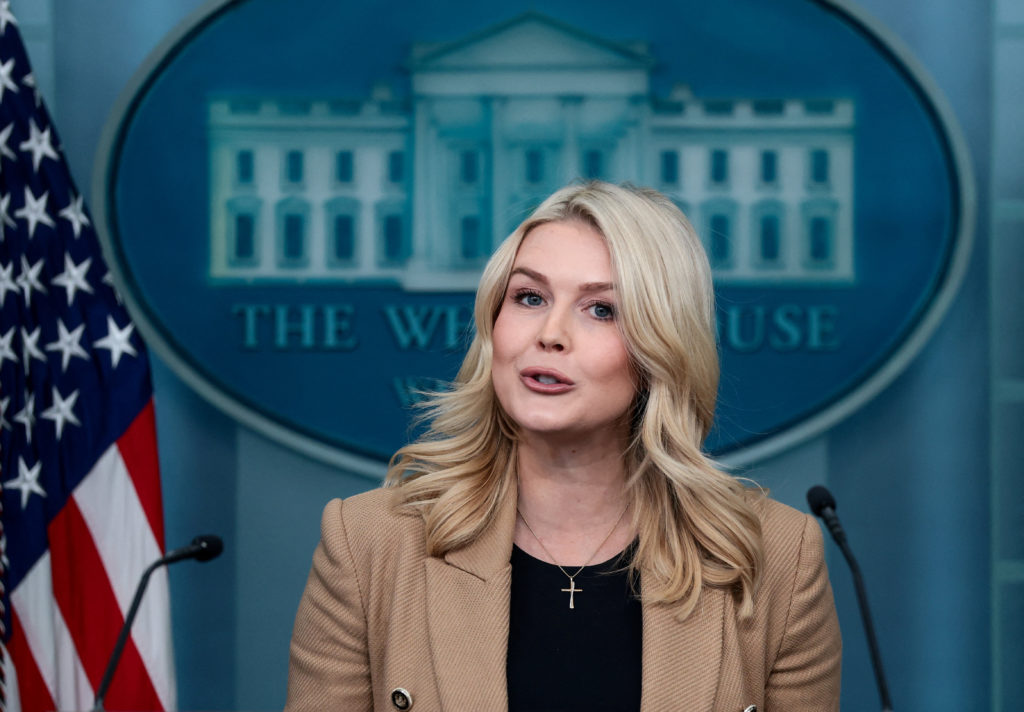
WATCH: Leavitt says every American with health insurance will see lower costs under Trump plan
 FOX News
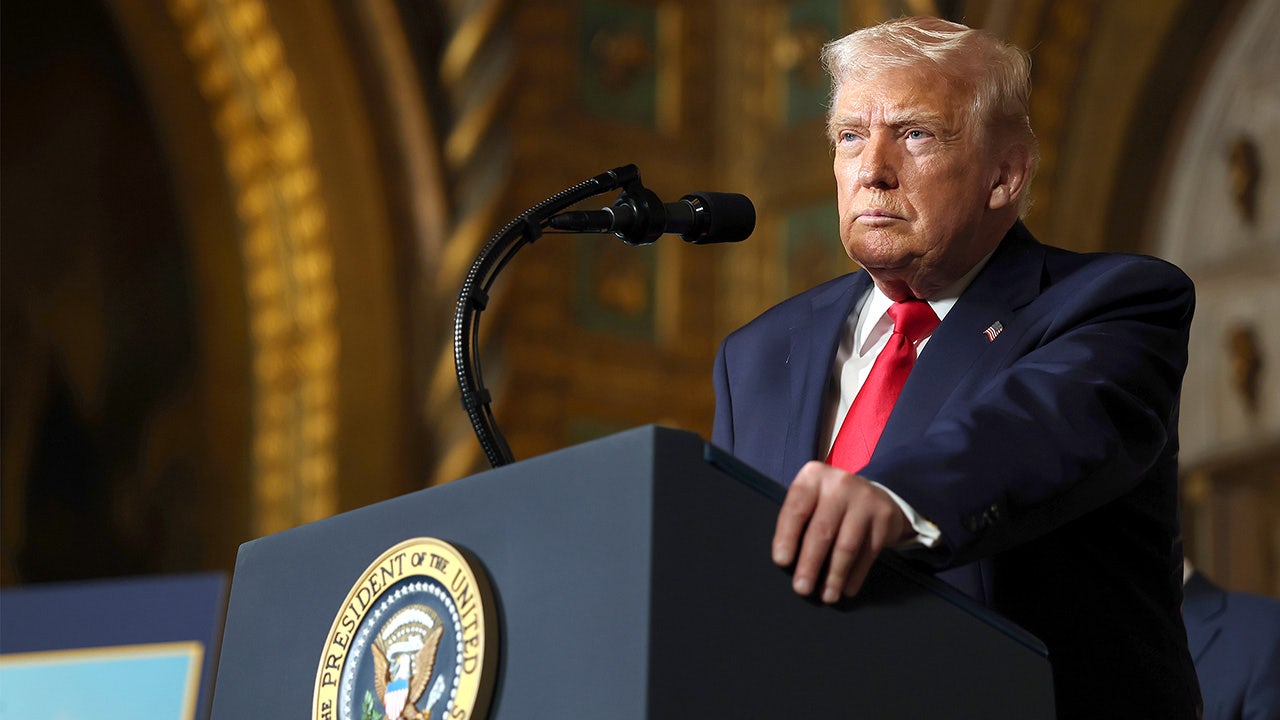
Trump rolls out ‘Great Healthcare Plan,’ urges Congress to slash costs for Americans

 Al Jazeera
Trump unveils healthcare plan without clear funding or execution timeline

 USA TODAY
What's in the Trump health care plan? White House releases blueprint.
Overview
President Trump unveiled the 'Great Healthcare Plan' urging Congress to approve direct payments, price transparency, and international drug-price limits to lower consumer health and drug costs.
Administration proposes sending funds into health savings accounts, restoring cost-sharing reductions, expanding OTC access, and requiring insurers to disclose revenues, denied claims, and wait times for care.
New details: Karoline Leavitt said every insured American would see lower costs; Mehmet Oz described the plan as a congressional 'framework' and Trump promoted TrumpRx for direct drug sales.
Missing specifics: The White House gave no figures on payment amounts, eligibility, or implementation timeline; experts warn the plan could undermine ACA protections and worsen affordability for many.
Political context: Bipartisan senators negotiate temporary subsidy extensions; Trump’s plan rejects enhanced ACA credits, and lawmakers debate long-term fixes amid public outrage over soaring premiums.
Analysis
Center-leaning sources frame the rollout skeptically by emphasizing lack of specifics and feasibility through editorial language ("sparse on details," "light on details") and by prioritizing expert critiques and enrollment data. They present administration claims as sourced content (quotes from Trump, Leavitt, Oz) but foreground external experts and context to question practicability.
FAQ
The plan includes lowering drug prices, lowering insurance premiums through direct payments to consumers and funding cost-sharing reductions, holding insurance companies accountable with transparency requirements, and maximizing price transparency by posting prices and fees.
It proposes sending money directly to eligible Americans' health savings accounts instead of subsidies to insurance companies, funding cost-sharing reductions to save $36 billion and reduce premiums by over 10%, and ending pharmacy benefit manager kickbacks.
The plan requires a 'Plain English' insurance standard, posting of profits from premiums, percentage of rejected claims, average wait times for care, and detailed data on claim denials and appeals.
No details on payment amounts, eligibility criteria, or implementation timeline were provided; experts note potential risks to ACA protections and affordability.[2]
The plan comes amid bipartisan negotiations on ACA subsidy extensions, rising premiums, and Trump's rejection of enhanced ACA credits in favor of direct payments.[2]