Trump administration bars use of human fetal tissue in NIH-funded research
The Trump administration announced NIH will no longer fund research using human fetal tissue from elective abortions, expanding prior restrictions and citing alternatives and stewardship.

 Washington Examiner
Trump ends funding for research using aborted baby tissue ahead of March for Life

 Daily Caller
Trump Administration Ends Abortion-Derived Fetal Tissue Research After Decades Of Federal Funding
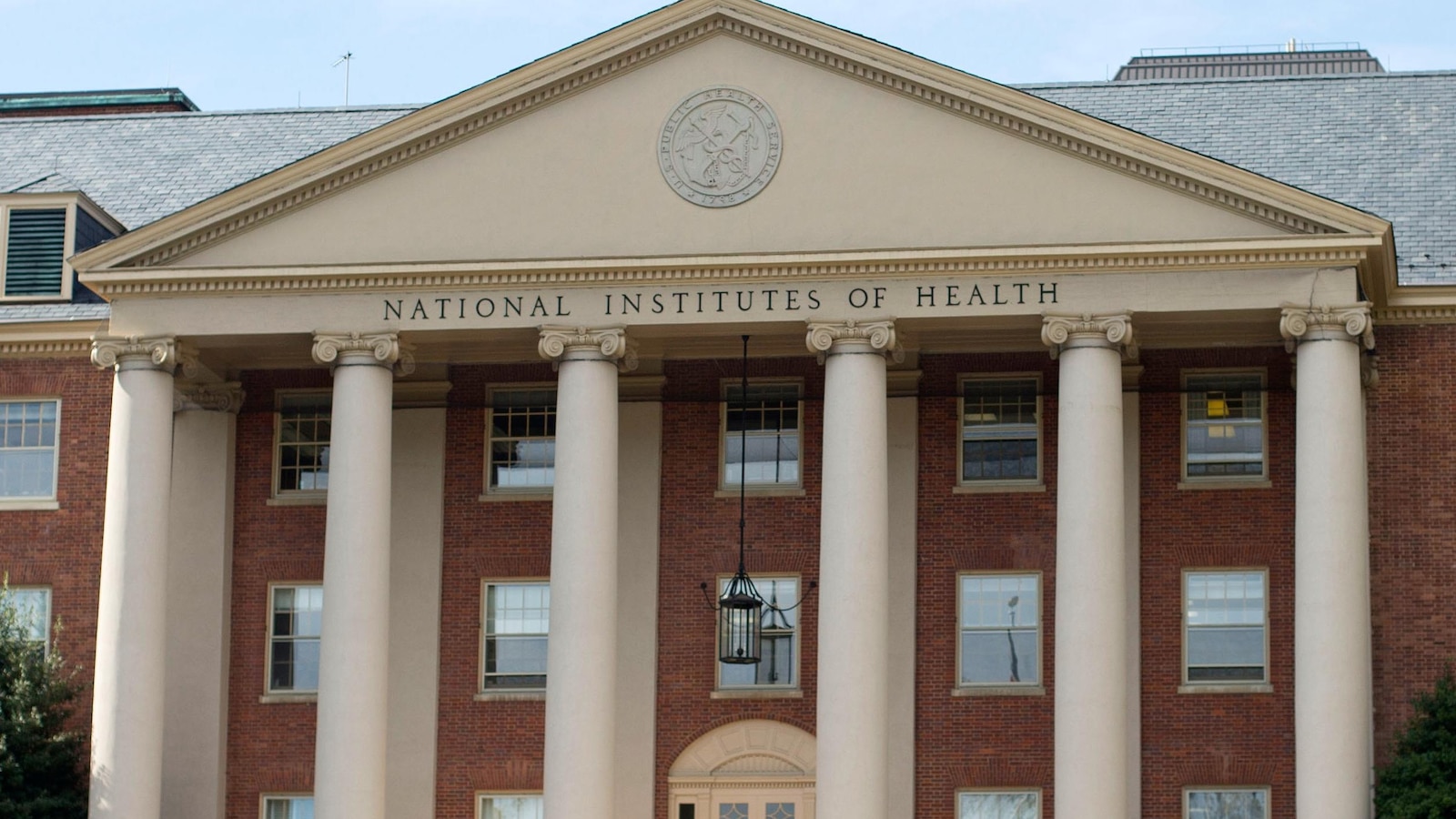
 ABC News
Trump administration halts use of human fetal tissue in NIH-funded research

 Scientific American
NIH ends fetal tissue research
Overview
The Trump administration issued a policy prohibiting NIH-funded research from using human fetal tissue derived from elective abortions, effective immediately and covering grants, contracts, and awards.
The move expands restrictions first introduced during President Trump's earlier term, reversing Biden-era relaxations and reflecting a policy shift on federally supported biomedical research.
Scientists warn fetal tissue has been important for HIV, cancer, vaccine development and studies of human development; many say validated alternatives are not always adequate substitutes.
NIH Director Jay Bhattacharya said use has declined since 2019; agency counted 77 projects including fetal tissue in 2024 and will seek comments on reducing stem cell reliance.
Anti-abortion groups praised the decision as ethically necessary, while researchers and patient advocates criticized it as political and potentially harmful to disease research and treatments.
Analysis
Center-leaning sources present this policy change in a neutral, fact-focused manner: they cite agency statements and historical context, note both anti‑abortion advocates’ push and scientists’ concerns about alternatives, provide concrete data (77 projects, $47 billion NIH), and avoid loaded adjectives—framing appears minimal and rooted in balanced sourcing and factual detail.
FAQ
Moratoriums on fetal tissue research began in 1988 under Reagan and continued through Bush Sr., lifted by Clinton in 1993; Trump imposed restrictions in 2019, which were relaxed under Biden and now reinstated.
NIH counted 77 projects using fetal tissue in 2024, with overall use declining since 2019.[story]
Fetal tissue has been crucial for HIV, cancer, vaccine development, and human development studies, with many arguing alternatives are not always adequate substitutes.[story]
NIH is investing in reducing reliance on stem cells and fetal tissue, with past efforts like $20 million in 2018-2020 for alternative models and seeking public comments.
Anti-abortion groups praised it as ethically necessary; researchers and patient advocates criticized it as political and harmful to disease research.[story]


