United States Officially Withdraws From World Health Organization After Yearlong Process
The United States left the World Health Organization, citing pandemic mismanagement and political bias; WHO and global health experts warn of risks and funding shortfalls.
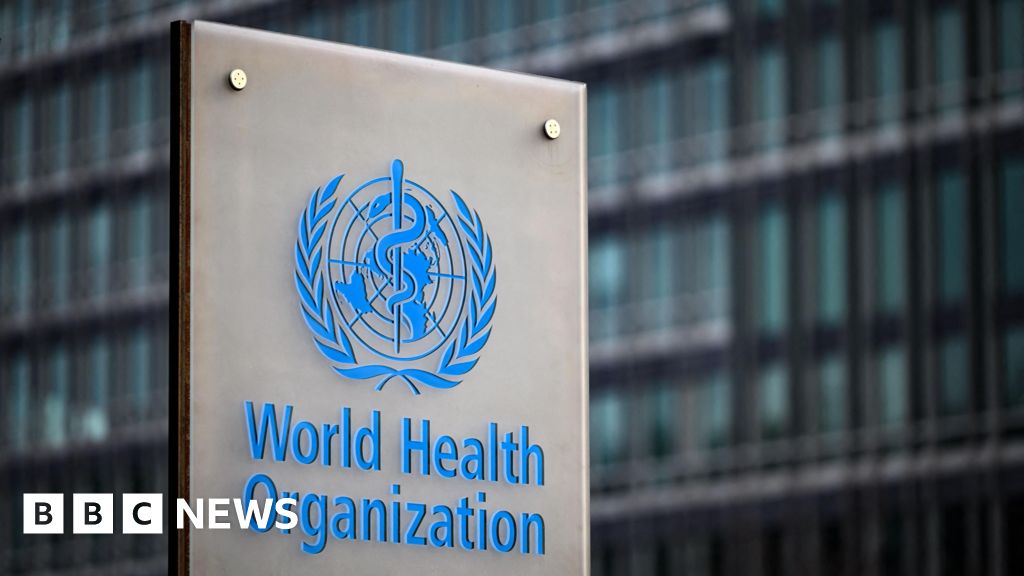


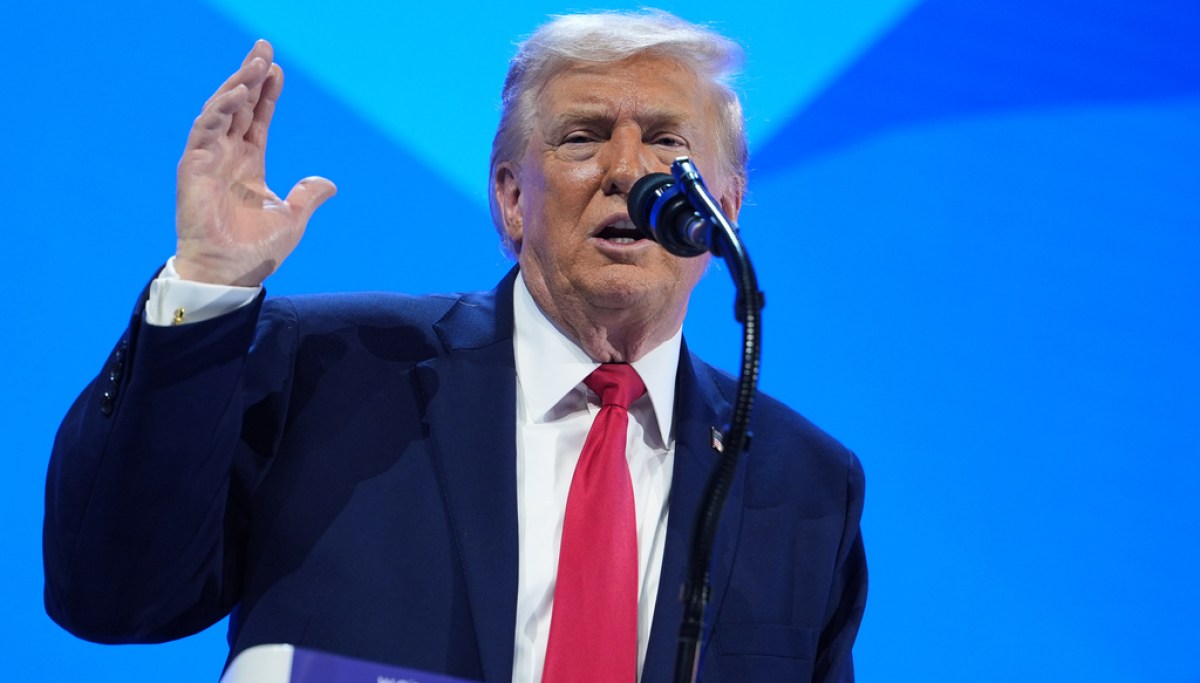


Overview
President Donald Trump gave notice in 2025; Health Secretary Robert F. Kennedy Jr. and Secretary of State Marco Rubio confirmed the U.S. formally left the WHO on Jan. 22, 2026.
U.S. officials cited WHO's alleged mishandling of COVID-19, failure to reform, and undue political influence, saying bilateral deals and NGO partnerships will replace WHO coordination.
Washington stopped dues and voluntary funding, owes disputed arrears estimated around $260 million; WHO has cut staff, management and programs amid a resulting budget shortfall.
WHO Director General Tedros called the withdrawal a loss; UN and health experts warned it could create surveillance blind spots and complicate pandemic preparedness and vaccine development.
U.N. officials said legal details remain to be resolved and WHO's executive board will address U.S. departure at its February meeting; U.S. says no plans to rejoin.
Analysis
Center-leaning sources frame the U.S. WHO withdrawal as a consequential, risky disruption by emphasizing legal and public‑health consequences, privileging expert criticism and financial impacts, and juxtaposing official rationales with quotes about law violations and 'scientifically reckless' actions. Language choices and source curation create a skeptical, cautionary narrative rather than a neutral policy report.
FAQ
The U.S. withdrew citing the WHO's mishandling of the COVID-19 pandemic, failure to adopt reforms, and susceptibility to political influence from member states, as stated in President Trump's executive order.[1]
President Trump announced the withdrawal on his first day of his second term in 2025 via executive order, with formal completion on January 22, 2026, after a required one-year notice period.
The U.S. stopped dues and voluntary funding, owing $130-260 million in arrears; WHO has cut staff by 22%, halved management, and scaled back programs due to the budget shortfall.
Experts warn of weakened pandemic surveillance, reduced vaccine development, crippled initiatives like polio eradication, and increased risks to global health security and U.S. access to outbreak data.[1]
The U.S. will pursue bilateral deals and NGO partnerships for global health coordination instead of WHO involvement, with no plans to rejoin.[6]

