India Says It Contained Nipah Outbreak After Confirming Two Cases
India's Health Ministry traced 196 contacts after confirming two Nipah cases in West Bengal and said all tests were negative.



Overview
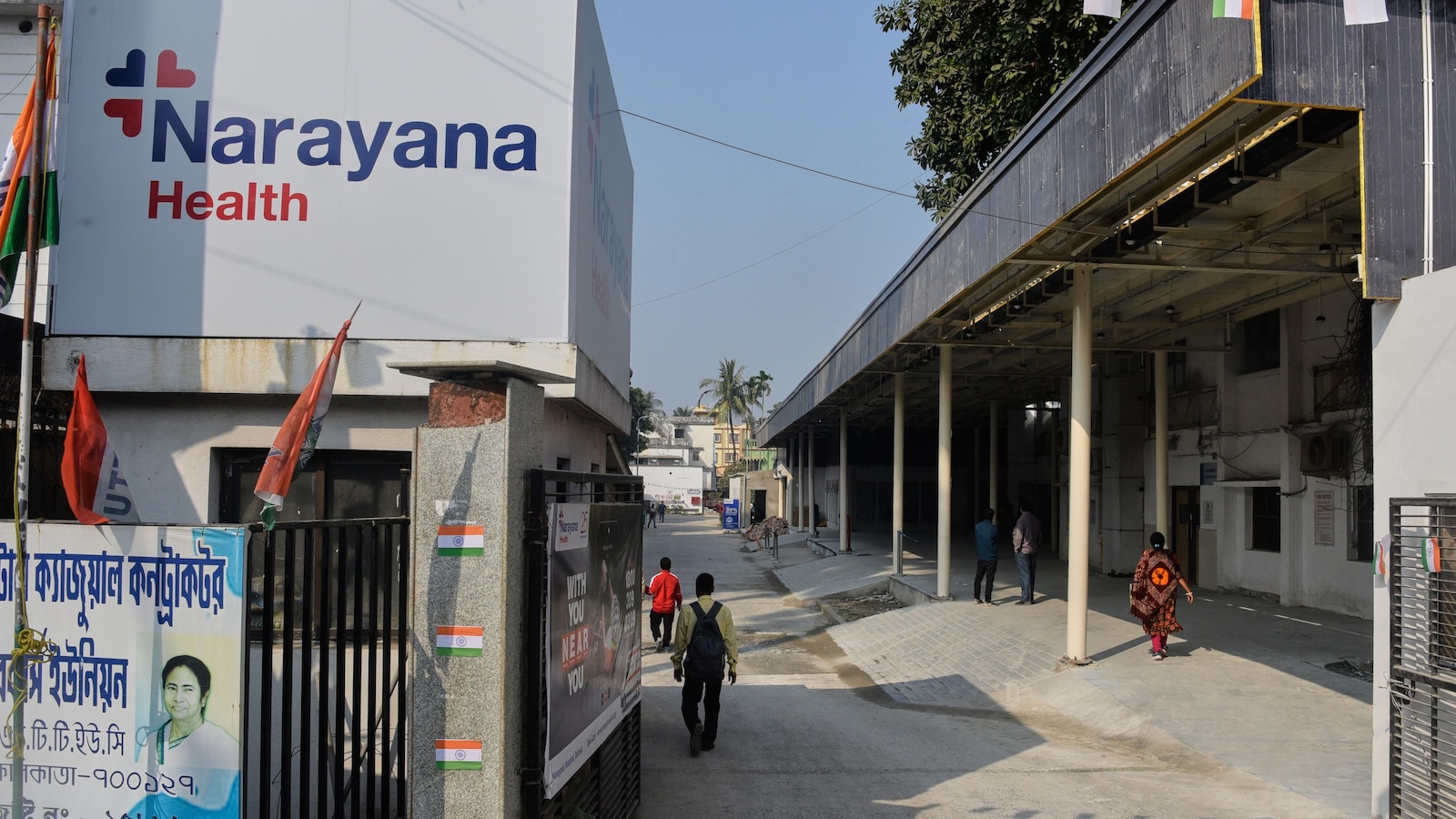
India's Health Ministry said it had contained a Nipah virus outbreak after confirming two cases in West Bengal and tracing 196 contacts, all of whom tested negative.
The World Health Organization estimates Nipah's fatality rate at 40% to 75% and notes there is no vaccine, meaning treatment remains supportive, WHO data and health officials said.
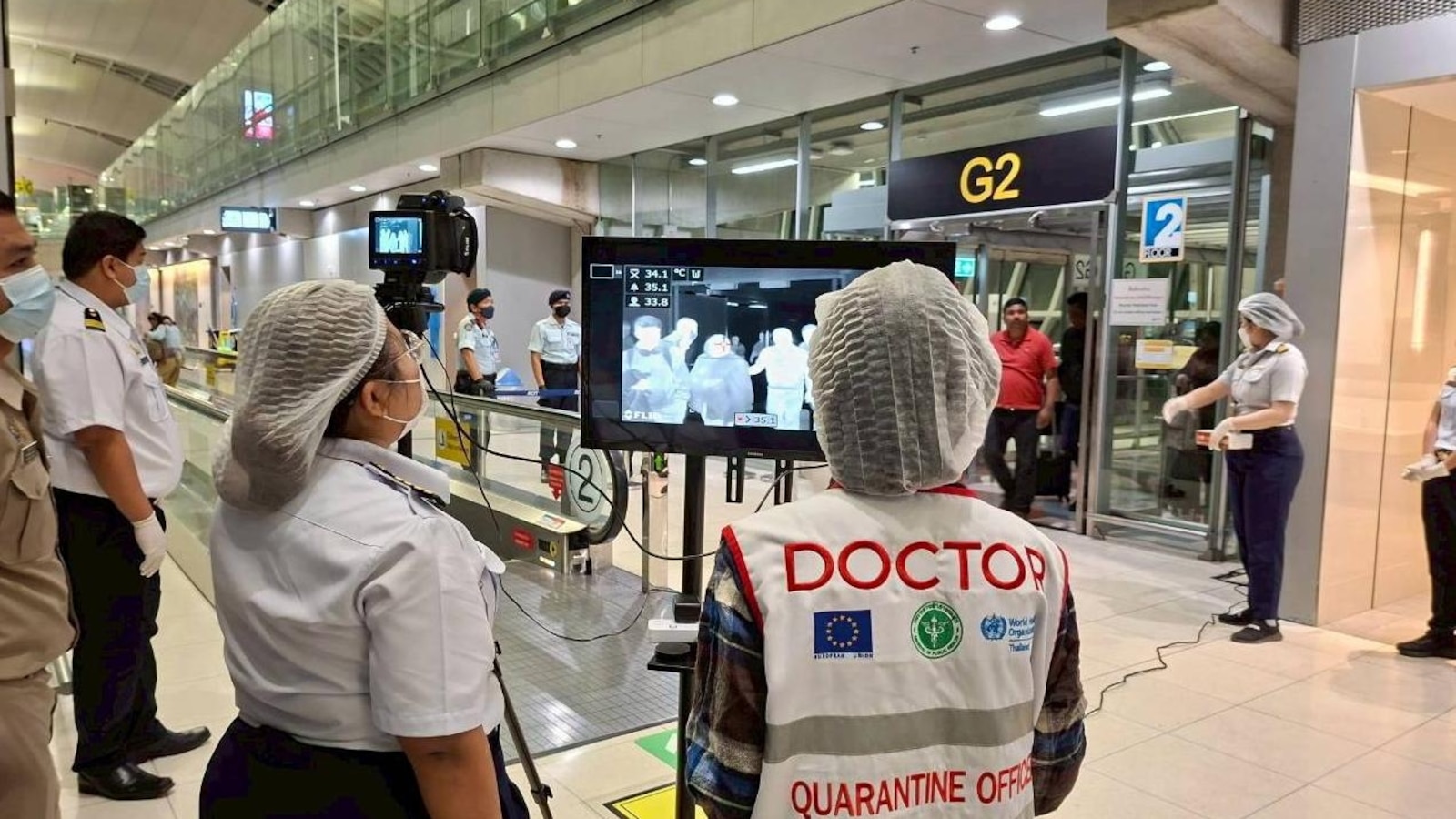
Indonesia and Thailand increased airport screening while Myanmar advised against nonessential travel to West Bengal and China said it was strengthening border prevention, according to government statements and state media.
There were no reported cases outside India, earlier West Bengal outbreaks occurred in 2001 and 2007, and a 2018 Kerala outbreak killed at least 17 people, health records show.
India said enhanced surveillance, laboratory testing and field investigations will continue and urged travelers to seek care within 14 days of arrival if symptoms develop, officials said.
Analysis
Center-leaning sources treat the report neutrally, presenting attributed facts and official responses without editorial spin. They cite WHO fatality estimates, quote India’s Health Ministry on containment, and list other countries’ screening steps. Medical details (symptoms, no vaccine) are presented as source-backed information rather than sensationalized commentary.
FAQ
Nipah virus is a serious infectious disease causing outbreaks in Asia, with symptoms starting as flu-like illness including fever, headache, muscle pain, vomiting, and sore throat, progressing to respiratory issues, encephalitis, seizures, and coma.[1]
The fatality rate is estimated at 40% to 75%, with no approved vaccine or specific antiviral treatment; care is supportive only.[1]
India's Health Ministry confirmed two cases, traced 196 contacts all testing negative, and stated the outbreak was contained, with ongoing surveillance.[9]
Indonesia and Thailand increased airport screening, Myanmar advised against nonessential travel to West Bengal, and China strengthened border prevention.[9]
India urges travelers to seek care within 14 days of arrival if symptoms develop; avoid sick animals and areas with outbreaks, and practice infection control.

