Experts and Families Debate 'Profound Autism' Diagnosis
An Australian study found roughly 24% of autistic children met or were at risk of 'profound autism,' prompting debate over services, safety and assessment rules.

 The Guardian
A new diagnosis of ‘profound autism’ is under consideration. Here’s what parents need to know
 Associated Press
Should people with autism and very high needs have a separate diagnosis? Takeaways from AP's report
 ABC News
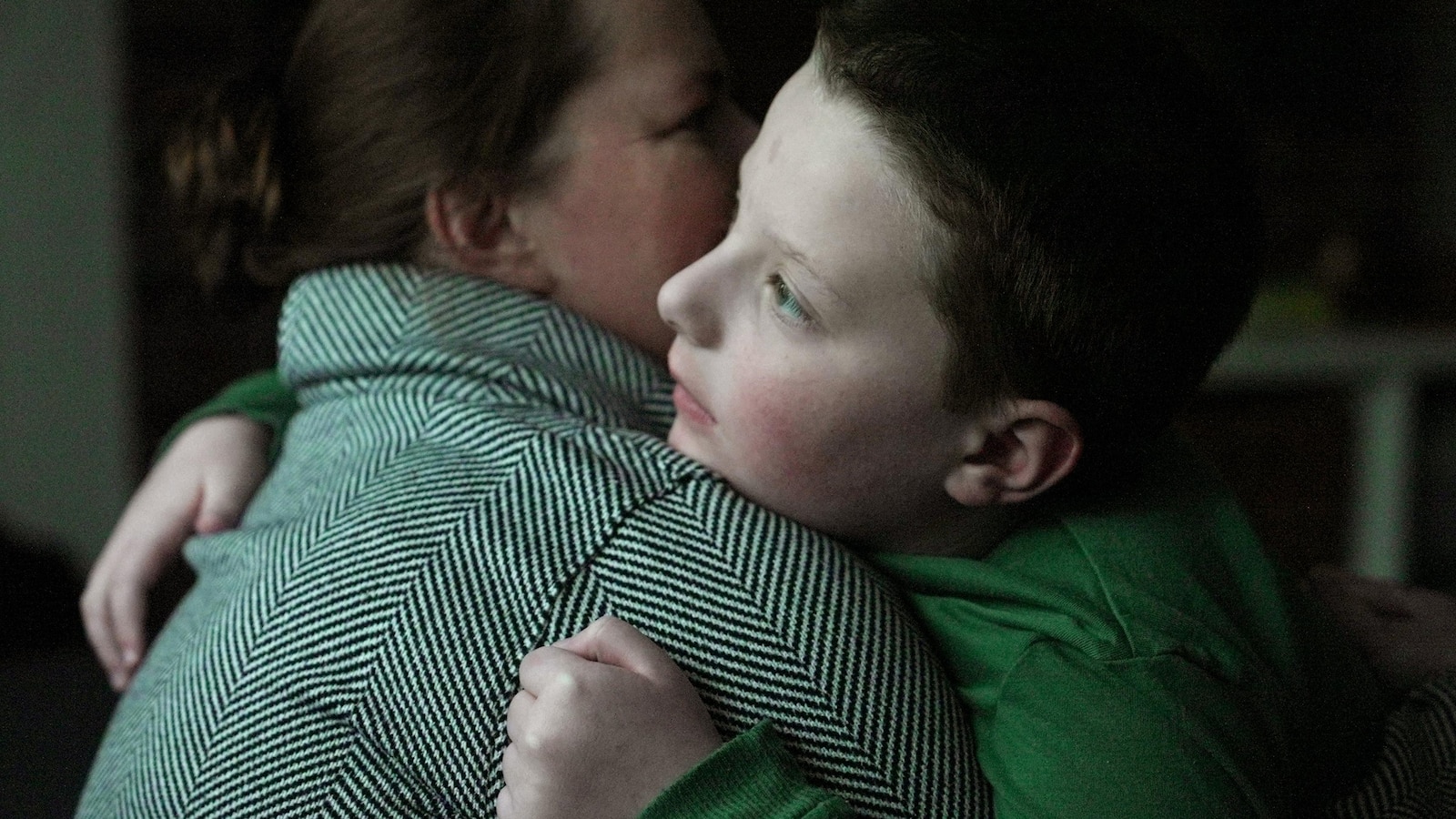
As some people push to make profound autism its own diagnosis, this family is raising twins with it
Overview
An Australian study found about 24% of autistic children met or were at risk of meeting proposed "profound autism" criteria, researchers said.
The Lancet Commission introduced the "profound autism" term in 2021 to describe people who are nonspeaking or minimally verbal, have an IQ under 50, and require 24-hour support, proponents said.
Advocates like Judith Ursitti urged a separate diagnosis to spur research and services, while Drexel researcher Dena Gassner warned it could be stigmatizing, and Autism Speaks' Andy Shih urged more awareness.
The study examined 513 children assessed from 2019 to 2024 and found safety-risk behaviors in 49.6% of children meeting or at risk versus 31.2% of other autistic children, with 22.5% self-injury and 38.2% aggression overall.
Authors warned the age threshold of eight could force repeat assessments, noted the definition did not map perfectly onto level 3 support, and suggested including the category in clinical guidelines to help plan services.
Analysis
Center-leaning sources frame this as a pragmatic policy and research gap: they foreground advocates and experts urging a “profound autism” label to secure services, lean on statistics and the Lancet Commission’s authority, and call out political misinformation as a complication. Critical voices on stigma are included but appear later, softening counterarguments.
FAQ
Profound autism is an administrative term introduced by the Lancet Commission in 2021 to describe autistic individuals who are minimally verbal or non-verbal, have an IQ below 50, and require 24-hour support throughout their lives[1][2]. The term was proposed to distinguish people with the highest support needs and encourage clinical and research communities to prioritize this vulnerable and underserved population[1]. It is not intended as a separate diagnostic category but rather as a descriptor to better advocate for and plan services for autistic people with significant intellectual disability and language impairment[2].
The Australian study examined 513 children assessed between 2019 and 2024 and found that approximately 24% met or were at risk of meeting profound autism criteria[0]. The research revealed that 49.6% of children meeting or at risk of profound autism showed safety-risk behaviors, compared to 31.2% of other autistic children, with 22.5% experiencing self-injury and 38.2% displaying aggression overall[0]. The authors noted concerns that the proposed age threshold of eight years old could necessitate repeat assessments as children develop[0].
The debate centers on whether the term is helpful or stigmatizing. Advocates argue that a distinct designation for profound autism could spur targeted research and services for this high-support population[0]. However, critics like Drexel researcher Dena Gassner warn the label could be stigmatizing[0]. Additionally, researchers question whether the term has clinical utility, noting that the definition is heterogeneous—many children met the definition by satisfying only one criterion—and that person-centered planning based on individual goals and needs is more effective than labeling by functioning level[3].
The DSM-5 introduced three levels of autism severity in 2013: level 1 (requiring support), level 2 (requiring substantial support), and level 3 (requiring very substantial support)[2]. The Lancet Commission proposed 'profound autism' as a more specific descriptor for those with the highest support needs, and Autism Speaks uses the term interchangeably with 'level 3 autism'[2]. However, the Australian study noted that the profound autism definition did not map perfectly onto level 3 support criteria, suggesting additional refinement may be needed[0].
Authors of the Australian study suggested including the profound autism category in clinical guidelines to help plan services and improve awareness among policymakers and researchers[0]. Researchers emphasized that the term should help ensure that autistic individuals with the greatest support needs are considered in policy decisions and research[2]. However, some experts caution that the term should be used as a descriptive tool for service planning rather than a definitive diagnostic label, and that individual needs-based assessments should take priority[3].
