NIH’s Jay Bhattacharya Named Acting CDC Director
Jay Bhattacharya will temporarily lead the CDC while remaining NIH director as the administration seeks a Senate-confirmed permanent director after recent leadership upheaval.
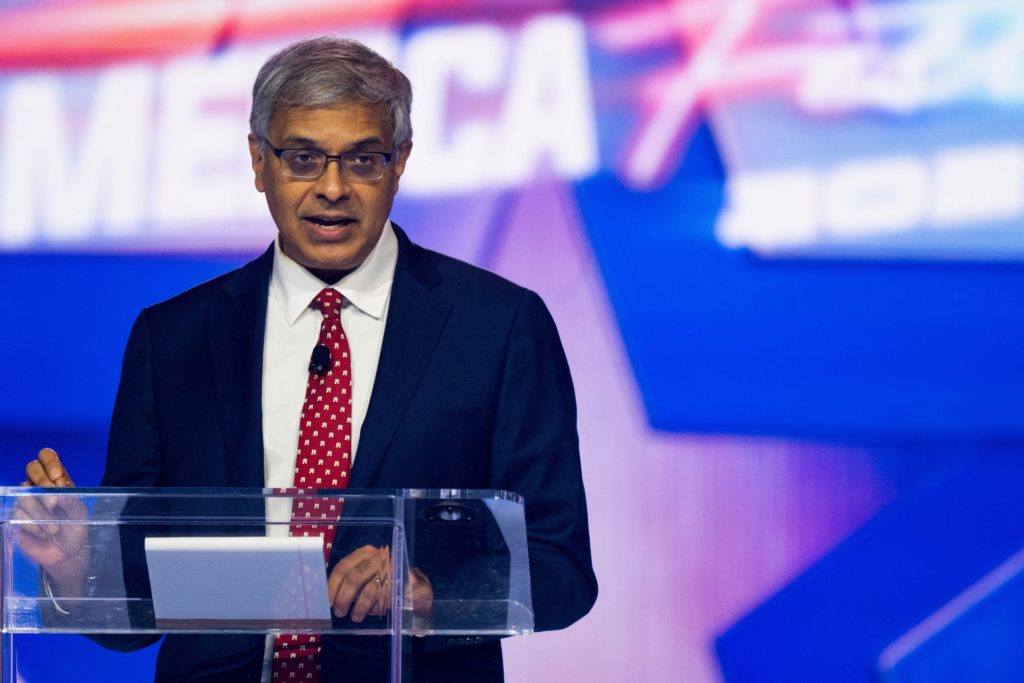
 PBS NewsHour
News Wrap: Bhattacharya to serve as acting head of CDC
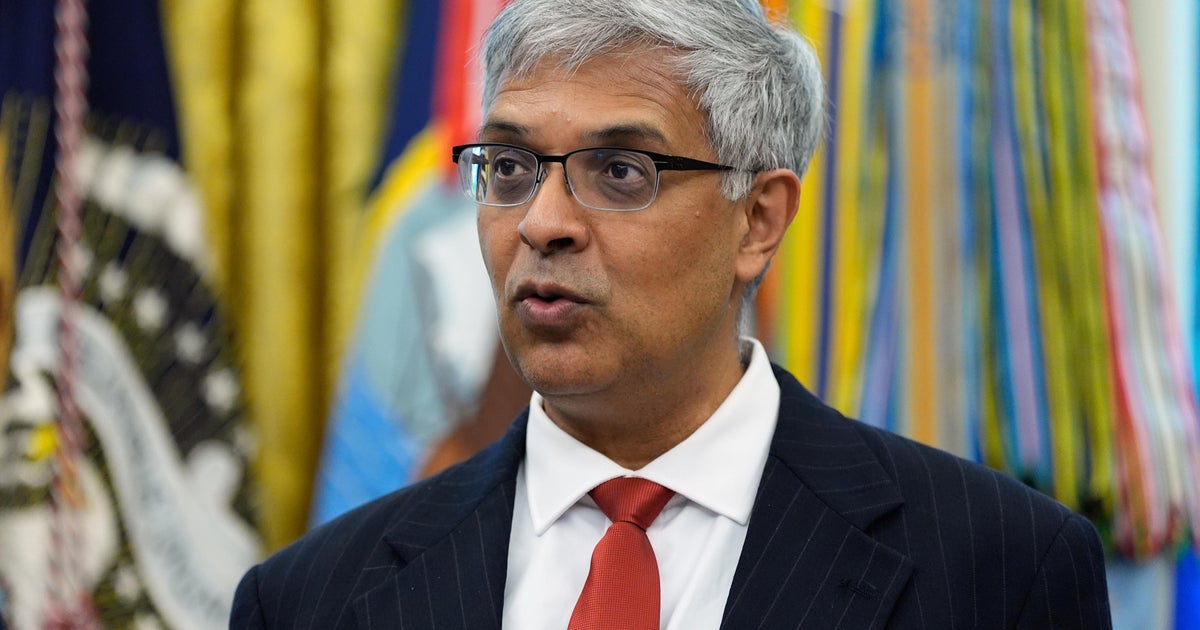
 CBS News
NIH's Jay Bhattacharya will also serve as acting CDC director
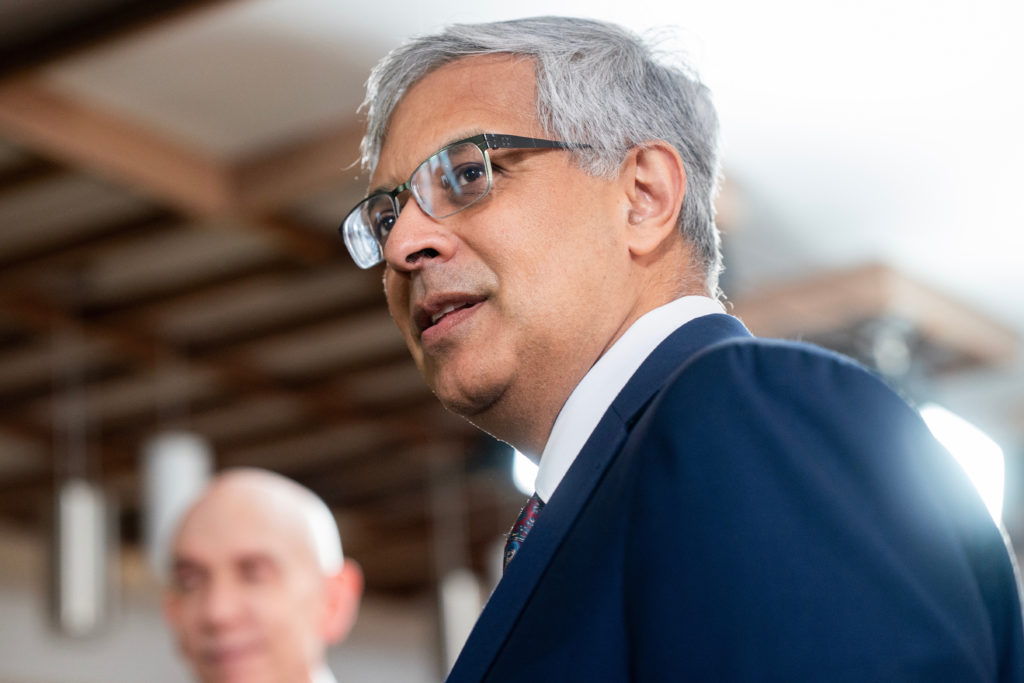 PBS NewsHour
NIH's Bhattacharya will also run the CDC while Trump administration looks for a permanent director

 CNN
CNNNIH director temporarily steps in to run CDC | CNN
Overview
Jay Bhattacharya will serve temporarily as director of the Centers for Disease Control and Prevention while remaining National Institutes of Health director, administration officials said.
The appointment follows a period of leadership turmoil at the CDC, including the ouster of Susan Monarez after less than a month and Jim O'Neill serving as acting director.
Bhattacharya became known as a vocal critic of the CDC during the COVID-19 pandemic and opposed lockdowns while questioning the effectiveness of masking, according to reports.
Officials said the permanent CDC director requires Senate confirmation, and the agency's recent rollback of recommended childhood vaccines prompted alarm among pediatricians and public health experts.
Bhattacharya will remain NIH director while the administration searches for a permanent, Senate-confirmed CDC director, administration officials said.
Analysis
Center-leaning sources frame the story as a crisis-driven leadership upheaval, emphasizing instability and controversy over vaccine policy. They use loaded descriptors (embattled, ousted, controversial), prioritize alarmed public-health experts and Monarez’s testimony, and juxtapose Bhattacharya’s past critiques with his pro-vaccine statements to suggest risk without outright condemnation.
FAQ
Susan Monarez was fired by Health Secretary Robert F. Kennedy Jr. in August 2025 after serving as CDC director for less than a month. She was dismissed because she refused to preemptively sign off on Kennedy's proposed changes to the childhood vaccine schedule without supporting data[1][6]. Monarez later testified before a Senate committee that her dismissal came after she refused to endorse the changes to the vaccination schedule without evidence to back them up[6].
Under the supervision of acting director Jim O'Neill, the CDC overhauled the vaccine schedule at the beginning of 2026, removing meningitis, flu, hepatitis A, and rotavirus from the agency's list of routinely recommended vaccines[3]. These changes sparked alarm among pediatricians and public health experts who worry that diseases previously controlled through vaccination may increase[4].
Career NIH scientists have criticized Bhattacharya for abdicating most of his day-to-day responsibilities in running the nearly $50 billion NIH agency[2]. These concerns have prompted worry that splitting his attention between the nation's two largest health agencies will result in further lack of leadership and oversight at both institutions[2].
Bhattacharya is a health economist and former professor at Stanford University who gained prominence as a vocal critic of the CDC's COVID-19 response[4]. He was deeply opposed to lockdowns and highly skeptical of the effectiveness of masking[4]. He was also a co-author of the Great Barrington Declaration, a petition from scientists advocating for infection of young, healthy individuals to expedite herd immunity[5].
Trust in the CDC has declined during Bhattacharya's tenure at NIH. Only 47% of Americans say they trust the CDC at least "a fair amount" to provide reliable vaccine information, down 12 percentage points since the beginning of Trump's second administration[2]. Despite Bhattacharya's stated desire to rebuild public trust in health institutions, distrust has grown during his leadership[2].

