FDA Proposes 'Plausible Mechanism' Pathway For Bespoke Therapies
FDA proposes a draft 'plausible mechanism' pathway to authorize and potentially commercialize customized gene-editing and RNA therapies for rare genetic diseases.




Overview
The FDA on Monday proposed a draft "plausible mechanism" pathway to authorize customized treatments, including gene editing, for rare diseases, officials said.
The proposal follows FDA Commissioner Marty Makary's decision a week earlier to drop the two-trial requirement for standard drug reviews, officials said.
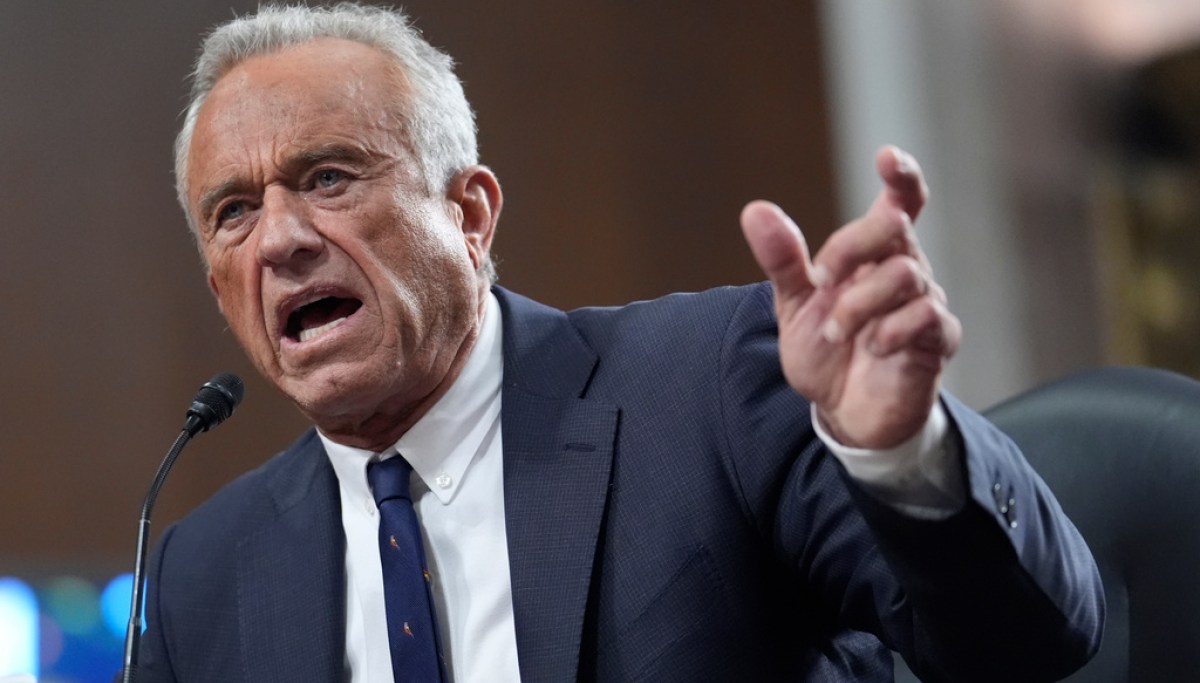
Health and Human Services Secretary Robert F. Kennedy Jr. said individualized medicine is no longer theoretical and cited the gene-editing treatment given last year to baby KJ, he said.
Senior FDA officials said the pathway would be reserved for well-understood conditions with a plausible biological rationale and require confirmation that therapies targeted patients' genetic abnormalities, agency officials said.
The FDA's draft guidance would let companies seek commercialization for bespoke therapies and calls for real-world evidence collection after approval, the agency said.
Analysis
Center-leaning sources present the FDA proposal neutrally, emphasizing factual context and multiple perspectives. The article cites FDA statements, explains scientific examples (CRISPR therapy), notes patient and researcher interests, and flags procedural changes and evidence limits without adopting an evaluative stance—editorial choices that inform rather than advocate.
FAQ
The 'plausible mechanism' pathway is a new FDA regulatory approach to authorize and commercialize bespoke gene-editing and RNA therapies for rare genetic diseases by bypassing traditional clinical trials when a scientifically credible mechanism of action is demonstrated, focusing on specific molecular abnormalities, target engagement, and clinical improvement.
Key criteria include: identification of a specific molecular or cellular abnormality causally linked to the disease, therapies targeting the underlying biological alteration, well-characterized natural disease history, confirmatory evidence of successful target editing or drugging (e.g., via biopsies or models), and demonstration of durable clinical improvements.
The proposal is led by FDA Commissioner Marty Makary and Center for Biologics Evaluation and Research Director Vinay Prasad, who outlined it in a New England Journal of Medicine article.
Baby KJ is a newborn with carbamoyl-phosphate synthetase 1 deficiency who received a customized base-editing therapy under an expanded-access IND, serving as a blueprint for the pathway by demonstrating rapid success in a single-patient case with confirmed target editing and clinical improvement.
Unlike traditional approvals requiring large randomized trials, this pathway allows approval after success in several consecutive patients with post-marketing real-world evidence collection, prioritizing rare diseases with clear genetic causes over broad trials.


