GLP-1 Drugs Linked to Lower Risks of Multiple Addictions
A VA analysis of 600,000+ diabetes patients found GLP-1 drugs tied to lower onset of substance use disorders and large reductions in hospital visits, overdose and death compared with another diabetes drug class.
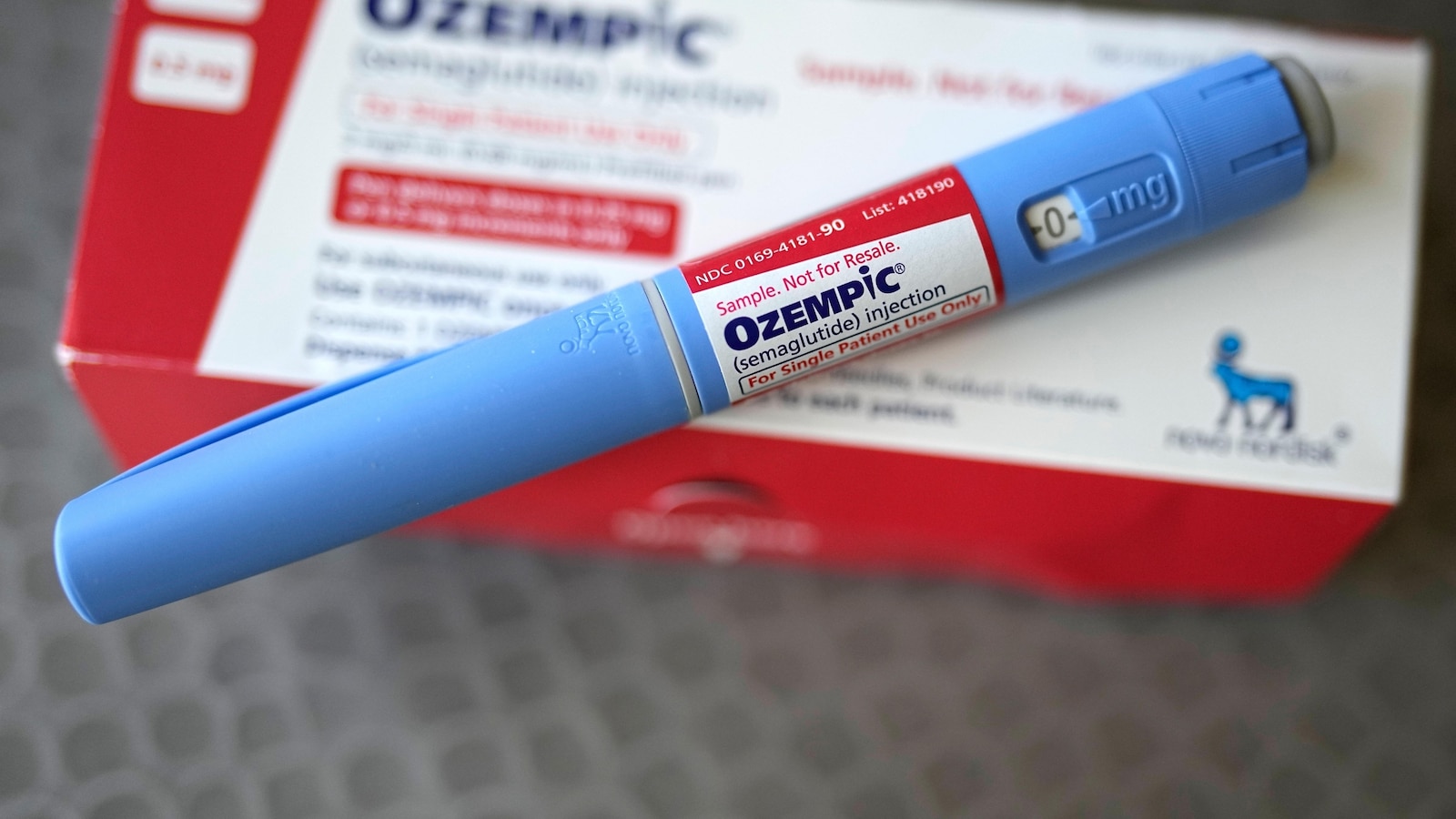
 ABC News
What to know about how GLP-1 medications might fight addiction
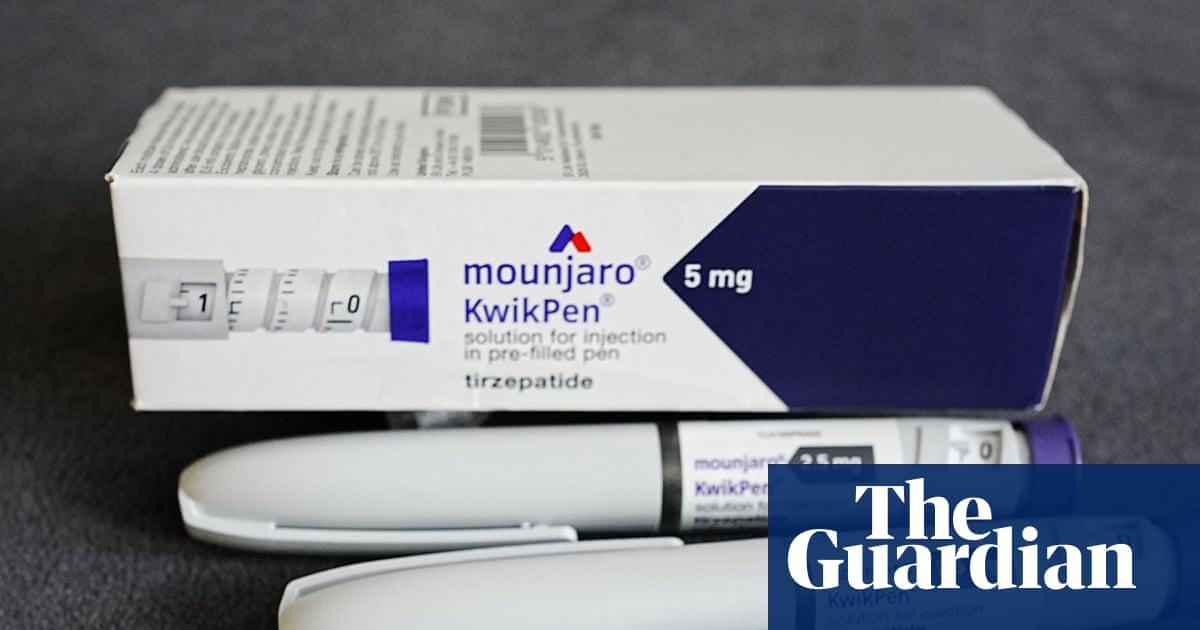
 The Guardian
Weight loss drugs may stop people getting addicted to drugs and alcohol, study finds

 NBC News
GLP-1s could help curb substance use disorders, from alcohol to opioids, study suggest

 CNN
CNNCould popular weight loss drugs become the new treatment for addiction? Evidence is starting to mount | CNN
Overview
An analysis of electronic health records from more than 600,000 Veterans Affairs patients with diabetes found GLP-1 use was associated with lower risks of developing multiple substance use disorders and with reduced harms among those already addicted.
Published in The BMJ, the study compared GLP-1 drugs including Ozempic and Mounjaro with SGLT2 diabetes drugs and found reduced risks across alcohol, cannabis, cocaine, nicotine and opioids.
Researchers and addiction specialists called the findings striking, with Dr. Lorenzo Leggio saying the GLP-1 system appears to tackle addiction biology, while others urged randomized trials and noted European regulators opened a suicide-risk probe in 2023.
The study found reduced onset risks of 18% for alcohol, 14% for cannabis, 20% for cocaine and nicotine, and 25% for opioids, and among people with existing disorders saw 29–31% fewer emergency visits, 26% fewer hospitalizations, 39% fewer overdoses and 50% fewer deaths.
The authors and other experts said randomized controlled trials are needed to confirm causation, and researchers are already planning or conducting trials on alcohol, cocaine and opioid use disorders.
Analysis
Center-leaning sources frame the story optimistically, highlighting promising reductions in addiction risks from GLP‑1s while including caveats. Editorial choices—terms like “blockbuster,” “striking,” and “exciting,” early emphasis on large VA results, and selection of enthusiastic experts (Al‑Aly, Lembke)—create a hopeful narrative, even as limitations and need for trials are noted.
FAQ
The study found reduced onset risks of 18% for alcohol, 14% for cannabis, 20% for cocaine and nicotine, and 25% for opioids compared to SGLT2 drugs.
Among those with existing disorders, GLP-1 use was associated with 29–31% fewer emergency visits, 26% fewer hospitalizations, 39% fewer overdoses, and 50% fewer deaths.
GLP-1 drugs including Ozempic (semaglutide) and Mounjaro were compared with SGLT2 diabetes drugs.
The study is observational and shows association, not causation; randomized controlled trials are needed to confirm effects, and there are ongoing probes into suicide risk.
Yes, researchers are planning or conducting randomized trials on alcohol, cocaine, and opioid use disorders, with preclinical and early clinical studies showing promise.