Daylight Saving Time Starts March 8, Links To Health Risks And Adjustment Tips
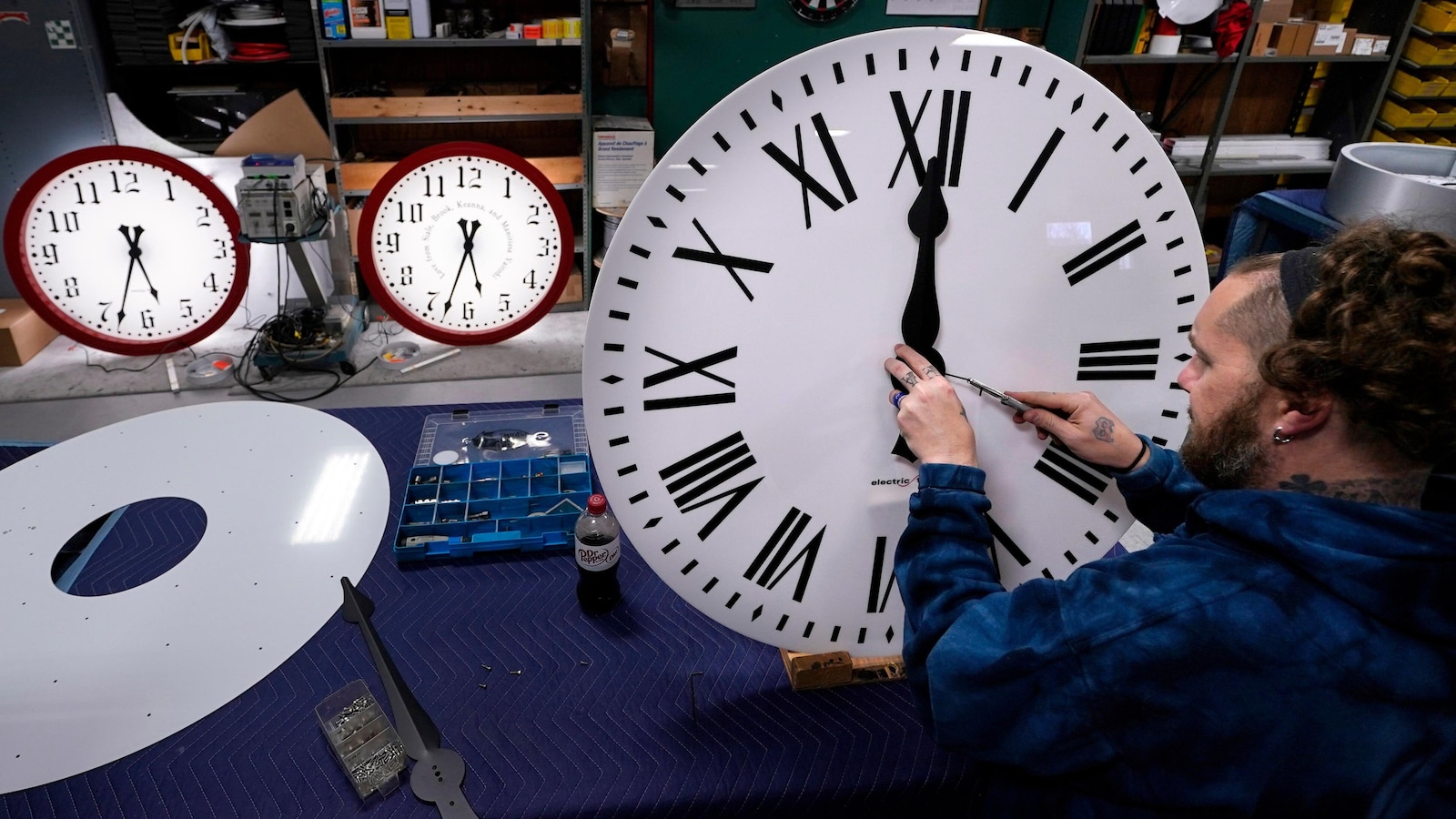
Clocks move forward Sunday, March 8 at 2 a.m., costing most Americans an hour of sleep and raising short-term cardiovascular and safety risks while prompting advice to shift routines and seek morning sunlight.
 ABC News
How springing forward to daylight saving time could affect your health

 CNET
CNETDaylight Saving Time Arrives Tomorrow. Here's How to Get Ready

 Straight Arrow News
Spring forward without the slump: How to beat the sleep loss from daylight saving time

 USA TODAY
Everything you need to survive the daylight saving blues
Overview
Daylight saving time begins Sunday, March 8 at 2 a.m., moving clocks forward one hour and reducing sleep for most Americans.
Losing that hour can disrupt circadian rhythms and, studies have found, is followed by temporary increases in fatal car crashes and short-term rises in heart attacks and strokes.
The American Heart Association cited research on post-change cardiac risk, and the American Medical Association and American Academy of Sleep Medicine say eliminating the switches and keeping standard time year-round better aligns with human biology.
About a third of U.S. adults already fail to get the recommended seven hours of sleep, and several jurisdictions including Hawaii, most of Arizona, Puerto Rico, American Samoa, Guam, the U.S. Virgin Islands and the Northern Mariana Islands do not observe daylight saving time.
Sleep Week 2026 runs Sunday, March 8 through Saturday, March 14, and experts recommend shifting bedtimes about 15 minutes earlier per night, getting morning sunlight, maintaining consistent routines and avoiding evening light to ease the transition.
Analysis
Center-leaning sources present this reporting as neutral: they prioritize expert advice and practical steps, contextualize policy debate without partisan language, and rely on named sleep specialists for evidence. The coverage emphasizes actionable guidance (gradual bedtime shifts, morning light) and avoids loaded evaluative terms or omission of reasonable counterpoints.
FAQ
The spring daylight saving time shift is associated with several acute health risks occurring in the days following the transition. These include increased cardiovascular events such as heart attacks (with a 24% increase in hospital admissions for heart attacks reported in Michigan on the Monday following the switch) and strokes (8% higher during the first two days after the transition)[5]. Additionally, there are increased rates of injuries, including a 6% spike in fatal traffic accidents that are more common in mornings directly after the clock change[4]. Mental and behavioral disorders, cognitive issues, and immune-related diseases also show elevated risk during this period.
The one-hour time shift in spring results in less morning light exposure and greater evening light exposure, which disrupts the body's circadian rhythm and causes sleep loss[2]. When the circadian rhythm is misaligned with social and work demands, it creates a condition called "social jet lag"[2]. This disruption triggers multiple cellular changes including altered gene expression, increased inflammatory markers, lower vagal tone resulting in higher heart rate and blood pressure, and reduced sleep quality[2]. Additionally, lack of sunlight suppresses production of melatonin (a sleep-inducing hormone) and serotonin (which regulates mood), making people more tired but paradoxically unable to fall asleep[4].
Several groups are particularly vulnerable to daylight saving time effects. Teenagers and "late starters" (people who wake up later in the morning) are more susceptible because they already sleep through more hours of natural morning light, and the time shift further disrupts their circadian rhythms[3]. Additionally, cardiovascular and immune-related disease effects tend to be larger in certain populations, including inpatients under 20 and senior males, with some experiencing approximately ten percent relative risk increases[1].
Experts recommend several strategies to ease the transition during daylight saving time. These include shifting bedtimes about 15 minutes earlier per night in the days before and after the change, getting morning sunlight exposure to help reset the circadian rhythm, maintaining consistent routines, and avoiding evening light[3]. The American Heart Association emphasizes that adequate sleep duration and quality are essential to cardiovascular health and should be prioritized during the transition period[5].
No, several U.S. jurisdictions do not observe daylight saving time, including Hawaii, most of Arizona, Puerto Rico, American Samoa, Guam, the U.S. Virgin Islands, and the Northern Mariana Islands. Medical organizations including the American Medical Association and American Academy of Sleep Medicine recommend eliminating the biannual time switches and keeping standard time year-round, as this better aligns with human circadian biology and avoids the acute health risks associated with the transitions[2].
