FDA Links E. Coli Outbreak To Raw Farm Cheddar
Nine people in three states sickened by E. coli O157:H7 linked to Raw Farm raw milk and cheddar; FDA urges removal of cheese while investigation continues.

 Straight Arrow News
E.Coli outbreak that sickened multiple is tied to cheese made with raw milk: FDA
 The Guardian
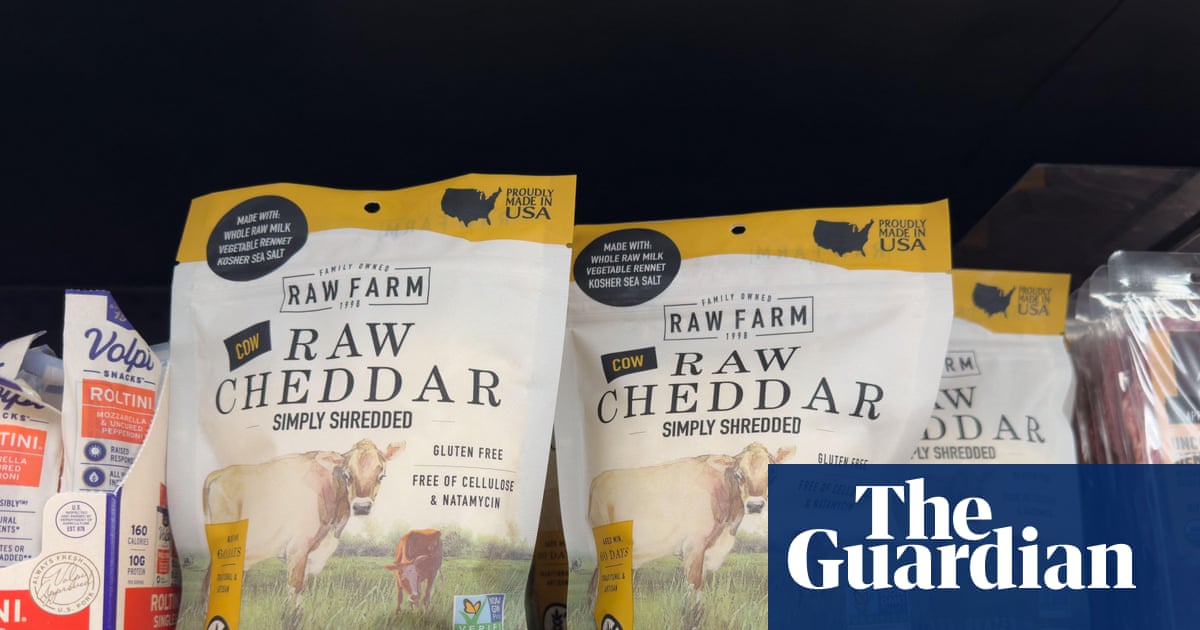
Nine people sick from E coli linked to raw cheese from California farm, more than half of them children
 The Atlantic
America’s Raw-Cheddar Chaos
 ARS Technica
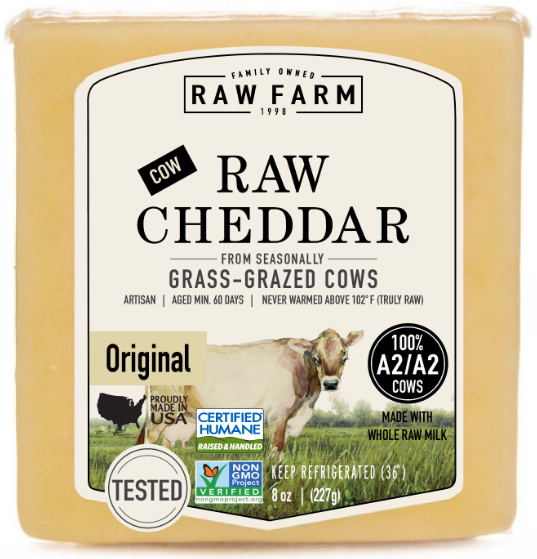
Outbreak linked to raw cheese grows; 9 cases total, one with kidney failure
Overview
The FDA said two more illnesses were identified, bringing the total to nine people sickened in three states in an outbreak linked to unpasteurized milk and cheddar.
The illnesses began between Sept. 1, 2025 and Feb. 20, 2026, and whole-genome sequencing shows the patient isolates are highly similar, suggesting a common source, the FDA said.
Raw Farm president Aaron McAfee said he will not voluntarily recall products without "direct proof" and that 81 retail samples he purchased tested negative.
Of the nine illnesses—seven in California, one in Texas and one in Florida—three required hospitalization, one developed hemolytic uremic syndrome, and seven of eight interviewed reported consuming Raw Farm products.
The FDA has recommended voluntary removal of Raw Farm cheese, opened an on-site inspection, and has not issued a mandatory recall as the investigation continues and test results are pending.
Analysis
Center-leaning sources frame the story around public-health risk and regulatory scrutiny, emphasizing CDC warnings, children's vulnerability, and Raw Farm’s past salmonella recall while juxtaposing company denials. Language like "pushing back hard" and inclusion of RFK Jr. links and FDA procedures reinforces a skeptical, safety-first narrative over the producer’s perspective.
FAQ
The FDA has recommended voluntary removal but has not issued a mandatory recall because, to date, the agency has not detected E. coli in Raw Farm cheese products themselves[2]. While whole genome sequencing of isolates from sick patients shows they are closely related genetically, indicating a likely common source, the epidemiologic evidence alone is not sufficient for a mandatory recall without positive test results[2]. The FDA's investigation is ongoing, with state partners collecting product samples for testing, and results are not yet available[2]. Congress members have urged the FDA to use its authority to force a recall, but the agency has not yet done so[7].
Raw Farm cheese is made from unpasteurized (raw) milk, which the FDA advises against consuming[1]. Pasteurization is a proven process with a 100-year history of protecting public health and is effective at eliminating bacteria that can cause illness[1]. While federal regulations allow cheese made from raw milk if it is aged for at least 60 days, Raw Farm does not pasteurize its dairy products[1]. This lack of heat treatment means harmful bacteria such as E. coli, Salmonella, and Listeria are not eliminated[7].
Over half of the illnesses continue to be in children under 5 years old[3]. Of the nine illnesses reported, four patients are children aged 3 and younger[7]. Additionally, one person developed hemolytic uremic syndrome, a serious condition that can cause kidney failure[3]. The FDA warned that the E. coli O157:H7 strain identified in this outbreak can cause serious kidney problems requiring hospitalization and potentially leading to death[4].
A total of 9 people infected with the outbreak strain of E. coli have been reported from 3 states (7 in California, 1 in Texas, and 1 in Florida)[3]. Of the 8 people with information available, 3 have been hospitalized and 1 person developed hemolytic uremic syndrome[3]. Illnesses started on dates ranging from September 1, 2025 to February 20, 2026[3]. No deaths have been reported to date[3].
Raw Farm President Aaron McAfee said the company is cooperating with the FDA investigation and stated that company testing found no E. coli in its cheese[1]. McAfee said he will not voluntarily recall products without direct proof, and referenced that 81 retail samples he purchased tested negative[7]. The company is challenging the FDA's findings despite the epidemiologic evidence linking Raw Farm products to the outbreak[1].