Kneeland CTE Diagnosis

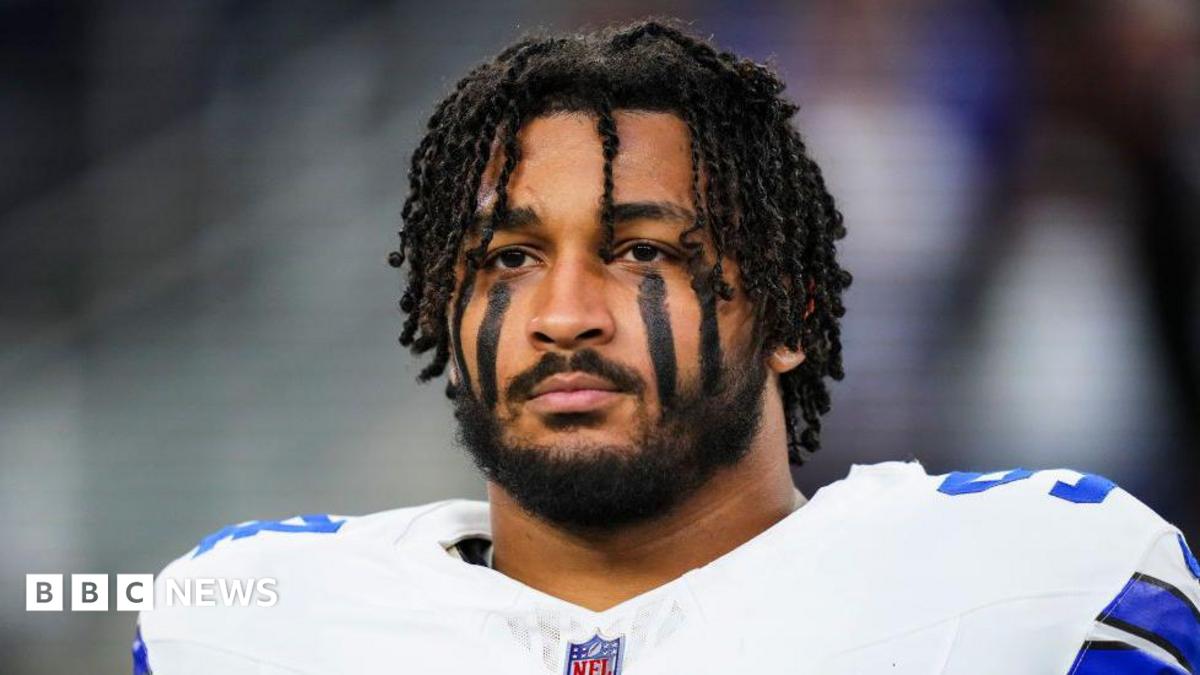
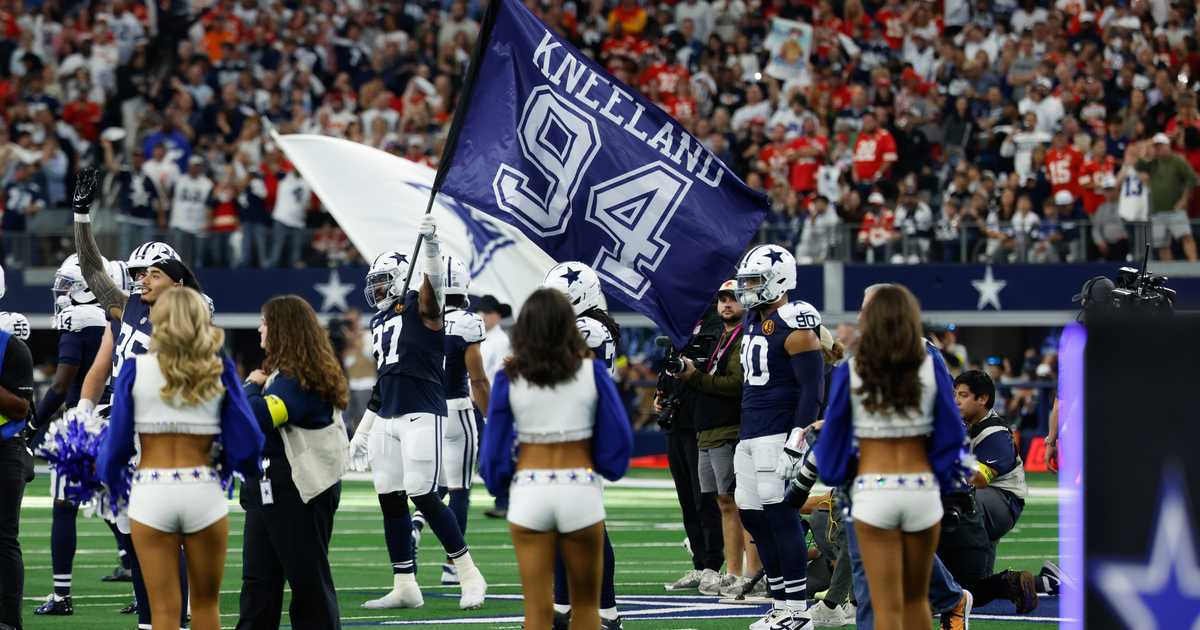
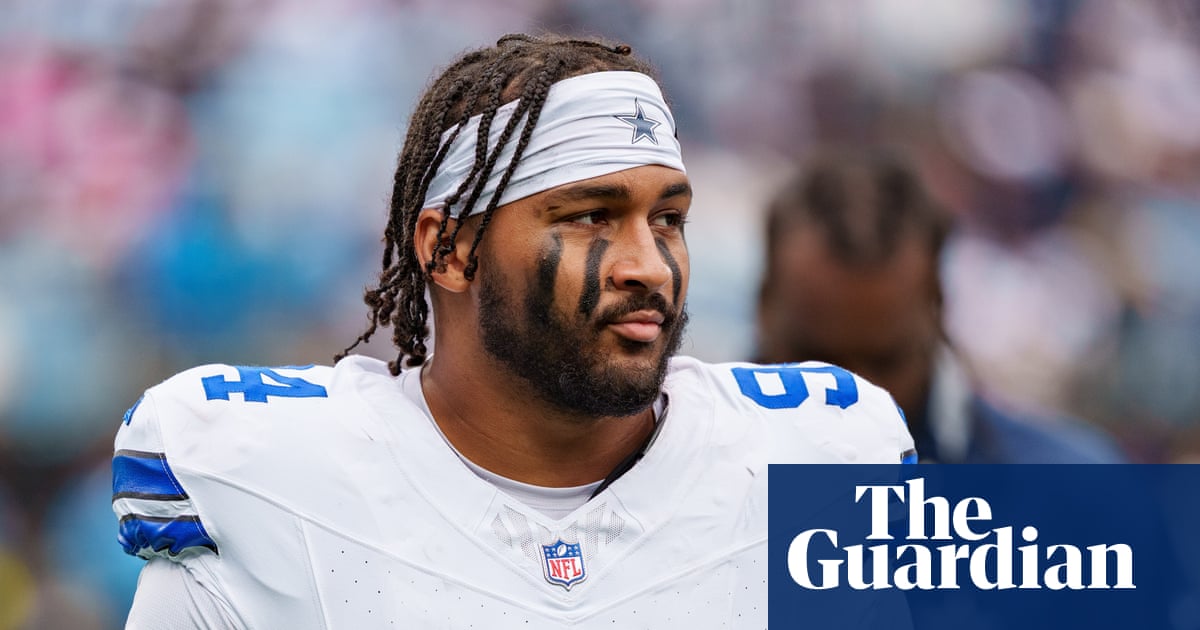
Former Cowboys defensive end Marshawn Kneeland was posthumously found to have stage 1 CTE.

L 17%
1 of 6 articles on this topic (17%) were written by left-leaning sources.
C 33%
2 of 6 articles on this topic (33%) were written by centrist sources.
R 50%
3 of 6 articles on this topic (50%) were written by right-leaning sources.

Summary

A neutral summary of the key facts most outlets agree on, drawn from reporting across the political spectrum.

Boston University CTE Center researchers posthumously diagnosed Dallas Cowboys defensive end Marshawn Kneeland with Stage 1 chronic traumatic encephalopathy after analyzing brain tissue donated through the Concussion & CTE Foundation. Kneeland died by suicide in November 2025 at age 24 from an apparent self-inflicted gunshot wound after a high-speed police chase in Texas. He was in his second NFL season with Dallas at the time of his death. CTE is associated with repeated head impacts, and Kneeland’s diagnosis was made after death.

Coverage Angles

Different angles and perspectives that emerge naturally from how outlets cover this topic. These aren't forced into left vs. right boxes—they reflect what different outlets choose to emphasize.

Football Brain Injury

Balanced

Kneeland’s posthumous CTE diagnosis makes his death part of the larger toll of repeated head impacts in football. A 24-year-old NFL player already showing the disease is a warning that the sport’s risks can appear early, not only after long careers.

ABC News
The Guardian
Townhall
Washington Times

Suicide And CTE

Center & Right

His suicide should be understood alongside the brain disease found after his death. The diagnosis gives his family and the public a devastating context for a young athlete’s sudden death, even if it does not by itself prove what caused it.

BBC News
Daily Caller

Career Cut Short

Polarized

Kneeland was a promising Cowboys defensive end whose life and NFL future ended at just 24. The tragedy is sharpened by the fact that a rising player had already suffered a serious posthumous brain diagnosis.

Daily Caller
The Guardian