U.S.-Led Escalation Ends in Maduro Capture, Echoing Panama Crisis
A U.S.-backed operation ends with Nicolás Maduro's capture, timed 36 years after Noriega's surrender, as Washington escalates maritime actions against Venezuelan drug networks in Caribbean.
 Current Affairs
The Coup In Venezuela Is An Assault on the Whole World
 FOX News
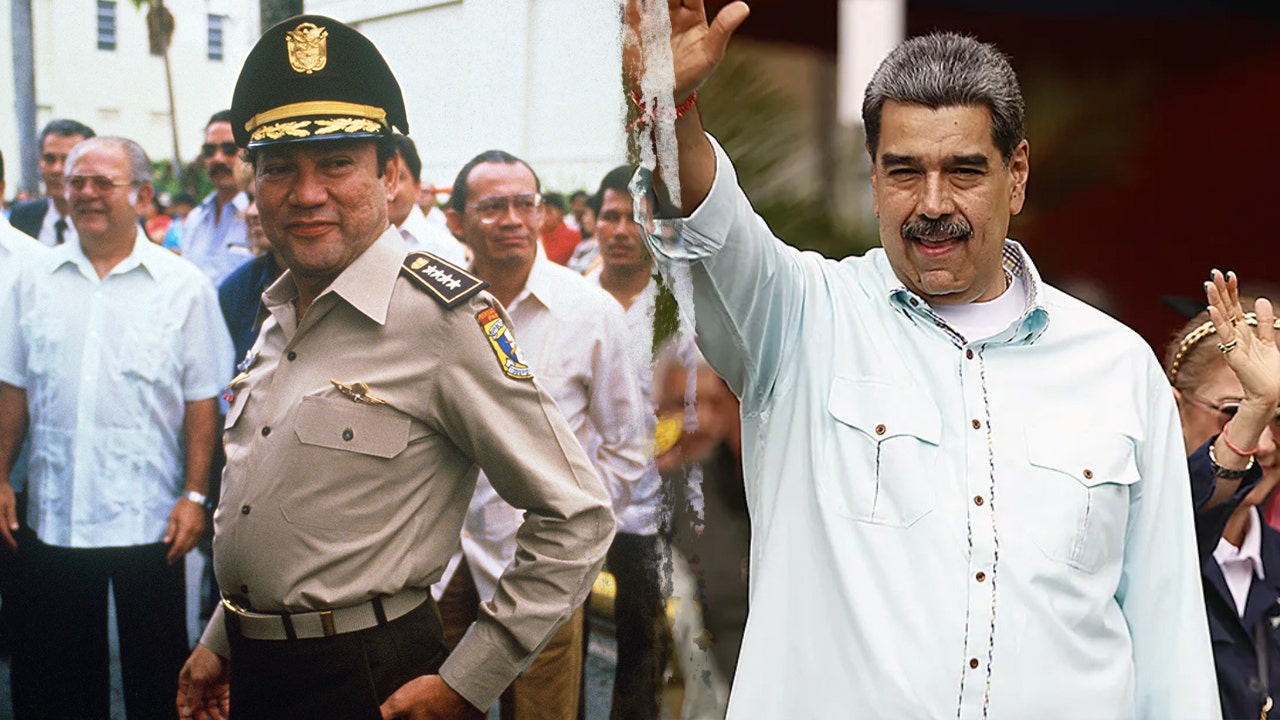
Maduro capture echoes Noriega takedown that used rock music as psychological warfare against dictator
 PBS NewsHour
Maduro's capture and Trump's claim that U.S. will run Venezuela raise new legal questions

 Boston Herald
How the US captured Venezuelan leader Nicolás Maduro
Overview
Nicolás Maduro and his wife Cilia Flores were captured at Fort Tiuna and transported to New York to face narco-terrorism charges, marking a major pivot in U.S. operations.
Since September, the United States intensified maritime actions against suspected Venezuelan drug-trafficking vessels, deploying presence and strikes in Caribbean and Pacific waters.
Under George H. W. Bush, the 1989 Panama invasion toppled Noriega amid drug-trafficking allegations. It resulted in casualties and highlighted U.S. willingness to use force to protect regional interests.
The operation in Panama caused 23 U.S. military deaths and hundreds of wounded, underscoring the human cost of intervention and shaping regional risk perceptions.
Noriega was convicted of drug trafficking and sentenced to lengthy U.S. prison terms, including 20 and 40-year sentences in Miami.
Analysis
Center-leaning sources frame the Maduro capture as a controversial use of force, foregrounding legality and presidential war powers. They juxtapose praise from supporters with legal and constitutional concerns from scholars and lawmakers, and frame the action in historical context (Noriega) to signal questions about US interventionism and executive authority.
FAQ
Maduro faces U.S. charges of narco-terrorism conspiracy, conspiracy to import cocaine, and related weapons offenses, stemming from his alleged involvement with the Cartel de los Soles and FARC to traffic tons of cocaine.
The strikes targeted military sites in Caracas, including Fuerte Tiuna, La Carlota airfield, Generalissimo Francisco de Miranda Air Base, Port La Guaira, and Higuerote Airport.
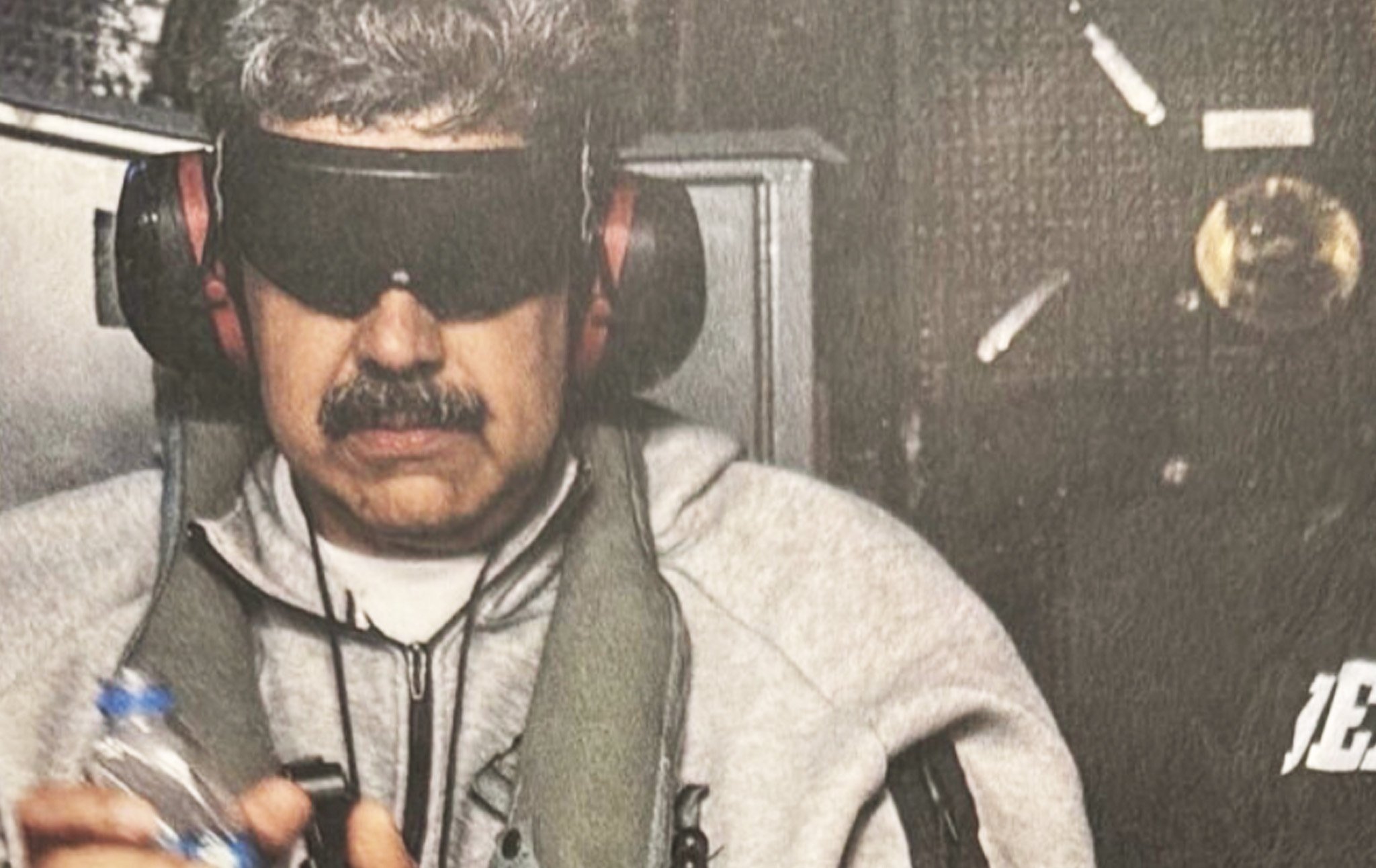
Maduro and his wife were captured by U.S. Army Delta Force operators at Fuerte Tiuna, flown out of Venezuela, and taken aboard the USS Iwo Jima amphibious assault ship.
The United States recognizes opposition leader Edmundo González Urrutia as the legitimate winner and president-elect of the July 2024 election.
Maduro's capture is timed 36 years after Manuel Noriega's surrender in 1989, echoing the U.S. invasion of Panama over similar drug-trafficking allegations against Noriega, who was later convicted in the U.S.

