Dolphins fire Mike McDaniel as franchise pursues comprehensive overhaul
Mike McDaniel was fired after a 7–10 season; Miami seeks a new general manager, faces Tua Tagovailoa uncertainty and broader roster and coaching overhaul.

 USA TODAY
Ranking NFL's 8* open head coaching vacancies after Dolphins fire Mike McDaniel
 Newsweek
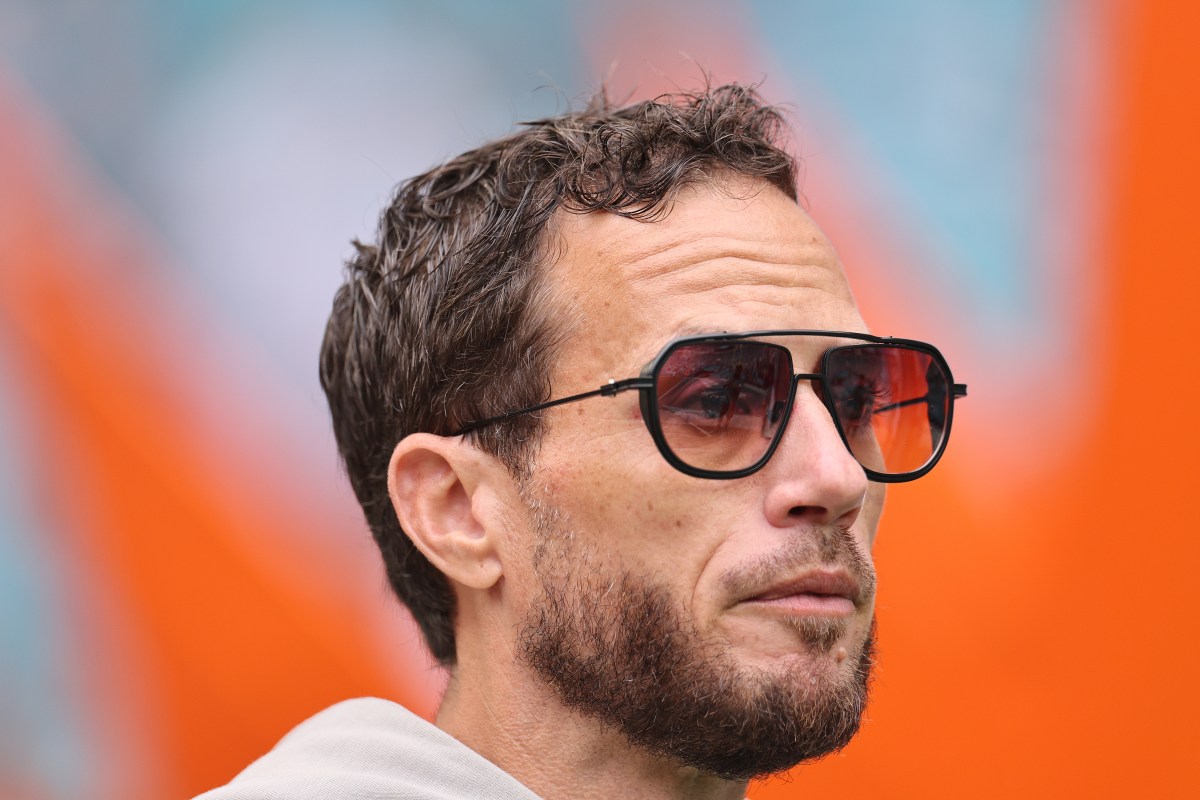
Mike McDaniel breaks silence after being fired as Dolphins head coach

 New York Daily News
Dolphins fire head coach Mike McDaniel as another John Harbaugh landing spot emerges
 Newsweek
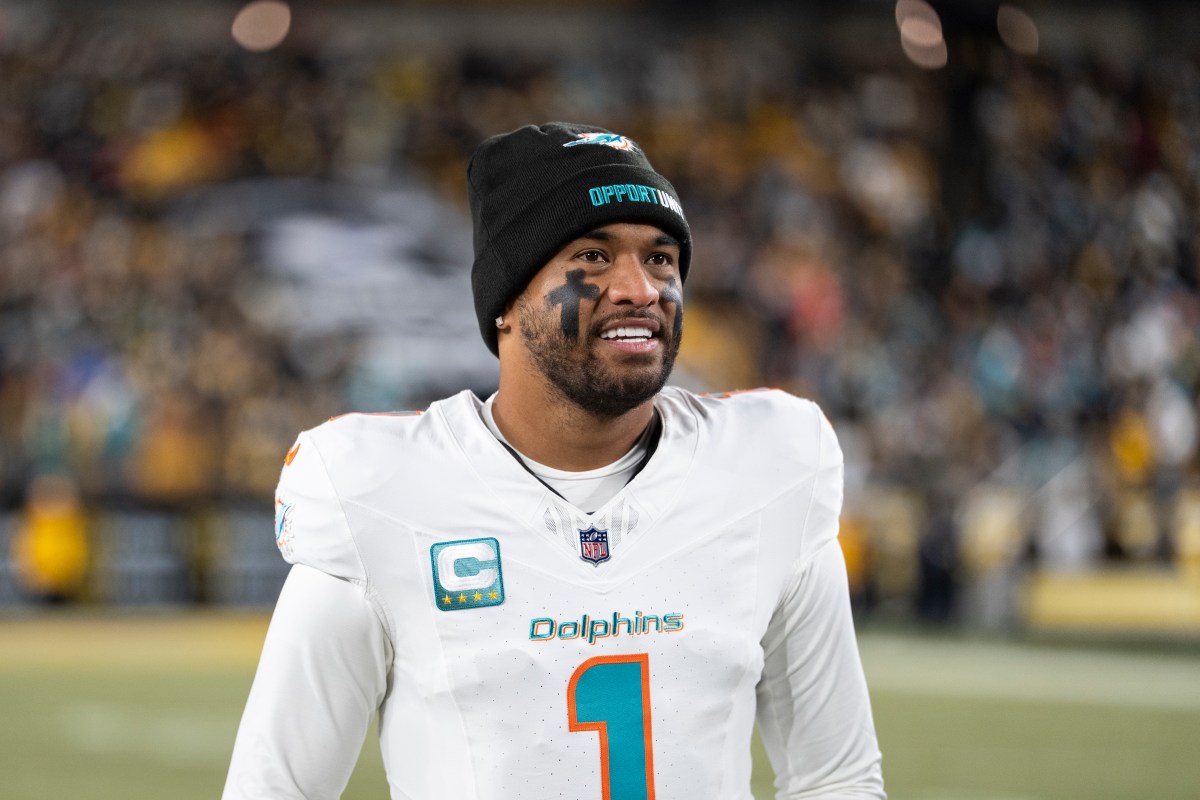
ESPN analyst links Tua Tagovailoa to Dolphins’ firing of Mike McDaniel
Overview
Owner Stephen Ross relieved Mike McDaniel of his duties Thursday in Miami Gardens after the Dolphins finished 7-10 and missed the playoffs for a second consecutive season.
McDaniel went 35-33 over four seasons, reached the playoffs in his first two years but lost in the first round both times, and was once viewed as the franchise’s future.
The Dolphins previously fired longtime general manager Chris Grier on Oct. 31; the organization has begun a search for a new GM, with internal and external candidates reportedly under consideration.
Quarterback Tua Tagovailoa was benched late in 2025; his large contract, concussion history and public openness to a fresh start complicate Miami’s cap, trade and roster planning.
McDaniel’s departure adds Miami to a widening league coaching carousel — at least eight vacancies — and raises the prospect of major changes, including potential interest in John Harbaugh.
Analysis
Center-leaning sources frame McDaniel’s exit as a fall from promise to decline by pairing evaluative language ('run out of luster', 'wunderkind', 'final straw') with highlighted club troubles (missed playoffs, clubhouse tardiness, Hill's 'I'm out'). They include owner and coach statements as source content, but structural emphasis and loaded terms steer readers toward a narrative of failed expectations.
FAQ
The Dolphins fired Mike McDaniel after a 7–10 season that extended their playoff drought to two straight years, concluding that the team had plateaued under his 35–33 tenure and needed a broader reset following the earlier dismissal of GM Chris Grier.
Chris Grier’s midseason firing removed the long‑time roster architect and opened the door for a “scorched‑earth restart,” with ownership under pressure to give the next general manager full control over football decisions rather than keeping existing coaches or structures in place by mandate.
Tua Tagovailoa’s future is complicated by his sizable contract, his concussion history, his late‑season benching, and his public openness to a fresh start, all of which affect Miami’s salary cap flexibility, potential trade value, and whether a new regime views him as a long‑term starter.
With both the head coach out and the GM job vacant, Miami is expected to consider a wide‑ranging rebuild that could include hiring a new front‑office leader, revamping the coaching staff, reshaping the roster around or beyond Tagovailoa, and potentially pursuing a high‑profile coach such as John Harbaugh as part of a fresh organizational direction.
Owner Stephen Ross, who has recently been urged by local and national commentators to authorize a “full autopsy” and deeper purge of the franchise’s mediocre structure, is under pressure to avoid past meddling in coach‑GM dynamics and instead empower a new general manager with broad authority to reshape the team.