Treasury Secretary Warns Canadian Prime Minister Ahead Of USMCA Review
Treasury Secretary Scott Bessent cautioned Prime Minister Mark Carney that public criticism could hinder Canada in the upcoming USMCA review, citing Davos remarks and a looming formal review date.
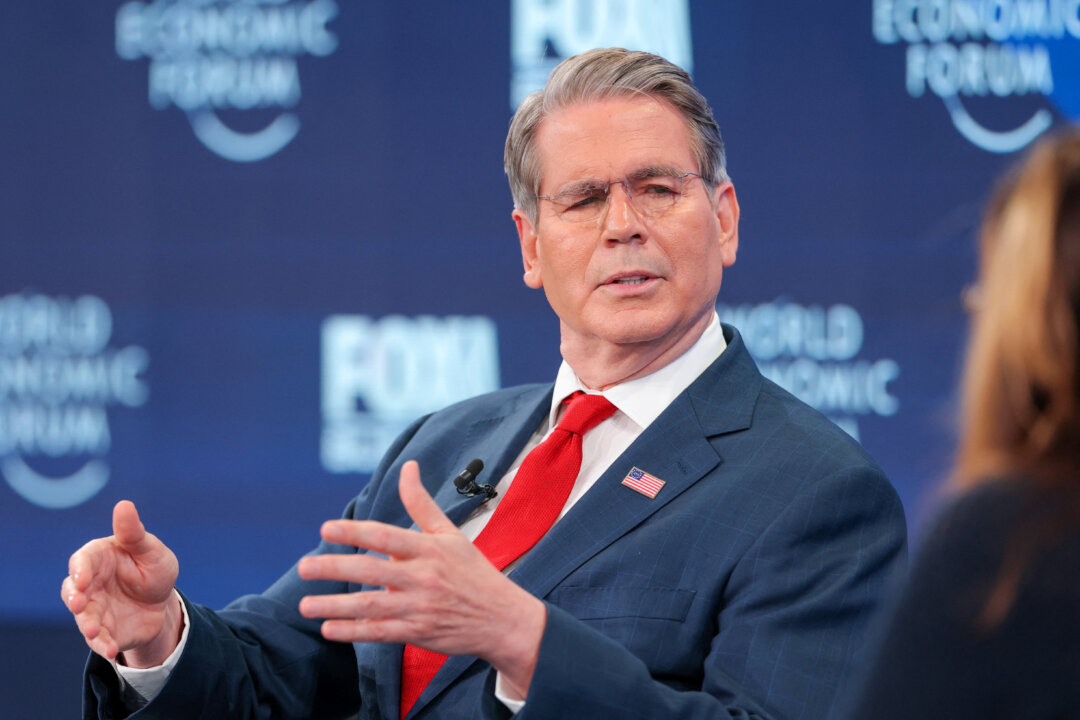

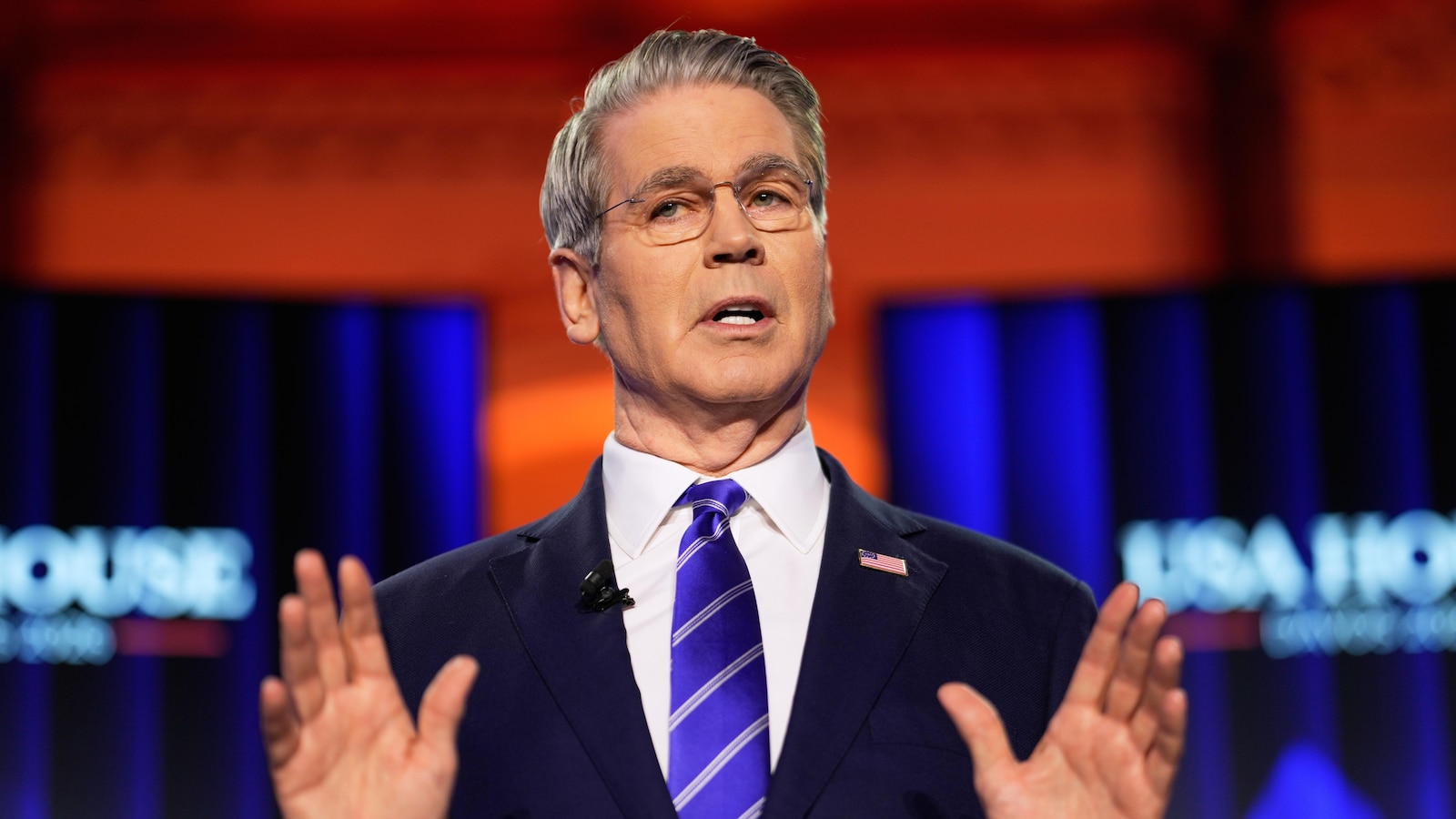


Overview
Treasury Secretary Scott Bessent told CNBC on Jan. 28 that Canadian Prime Minister Mark Carney should not "pick a fight" with the United States ahead of the U.S.-Mexico-Canada Agreement review, warning public comments could backfire.
Carney's Jan. 21 speech at the World Economic Forum in Davos criticized economic coercion by great powers, prompting a public sparring with President Donald Trump and Treasury officials that risks complicating formal USMCA talks.
The White House declined to comment, while Bessent said on Fox News that Carney appeared to be "walking back" his Davos remarks after a Jan. 26 phone call with Trump, a characterization Carney disputed in comments to reporters on Jan. 27.
US trade officials said the USMCA review could hinge on diplomatic tone as well as policy details, and records show Trump on Jan. 24 threatened a 100% tariff on Canadian imports tied to a separate Canada-China deal under discussion.
Trade negotiators from the three countries are scheduled to begin the formal USMCA review on Feb. 15, and officials warned that public rhetoric could affect bargaining leverage and timelines.
Analysis
Center-leaning sources frame the story as U.S. officials warning against Canadian provocation, prioritizing U.S. perspectives through lead placement of Treasury remarks, conflict verbs like warned and sparred, and emphasis on Bessent and Trump statements; Carney's defense is included but appears later and less developed, narrowing the narrative.
FAQ
The USMCA requires a joint review on July 1, 2026, six years after entry into force. Parties can extend it for 16 more years to 2042 or start annual reviews leading to expiration in 2036 if no consensus.
Bessent cautioned Carney against public criticism of the US, citing his Davos remarks on economic coercion, which sparked sparring with Trump and could hinder USMCA review negotiations starting Feb. 15.
On Jan. 21 at Davos, Carney criticized economic coercion by great powers, prompting Trump and Treasury sparring. After a Jan. 26 call with Trump, Bessent claimed Carney walked back comments, which Carney disputed on Jan. 27.
US trade officials state the review could depend on diplomatic tone alongside policy; Trump's Jan. 24 tariff threat on Canadian imports linked to a Canada-China deal shows rhetoric affects leverage ahead of Feb. 15 talks.
Without agreement to extend, annual reviews occur for 10 years; unresolved issues lead to USMCA expiration on July 1, 2036, per Article 34.7.

