Svalbard Polar Bears Get Fatter Despite Sea Ice Loss
Study finds Svalbard polar bears gained weight between 1992 and 2019 despite a sharp decline in regional sea ice, based on 1,000+ measurements of 770 bears.
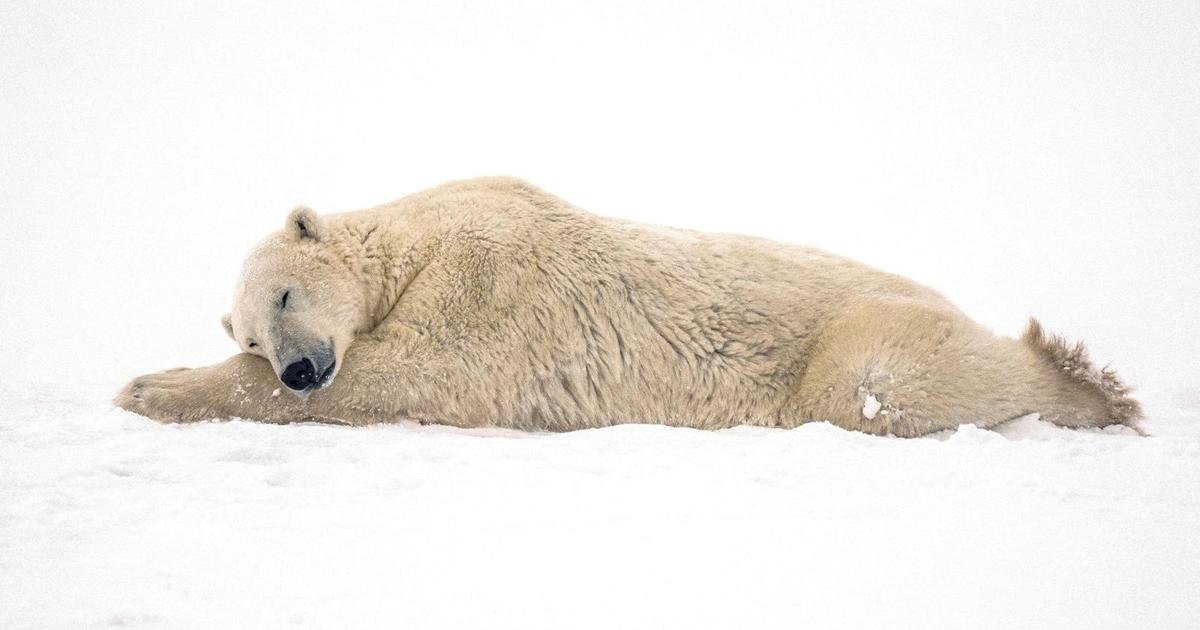
 Semafor
Polar bears fatten up with new diets amid ice loss
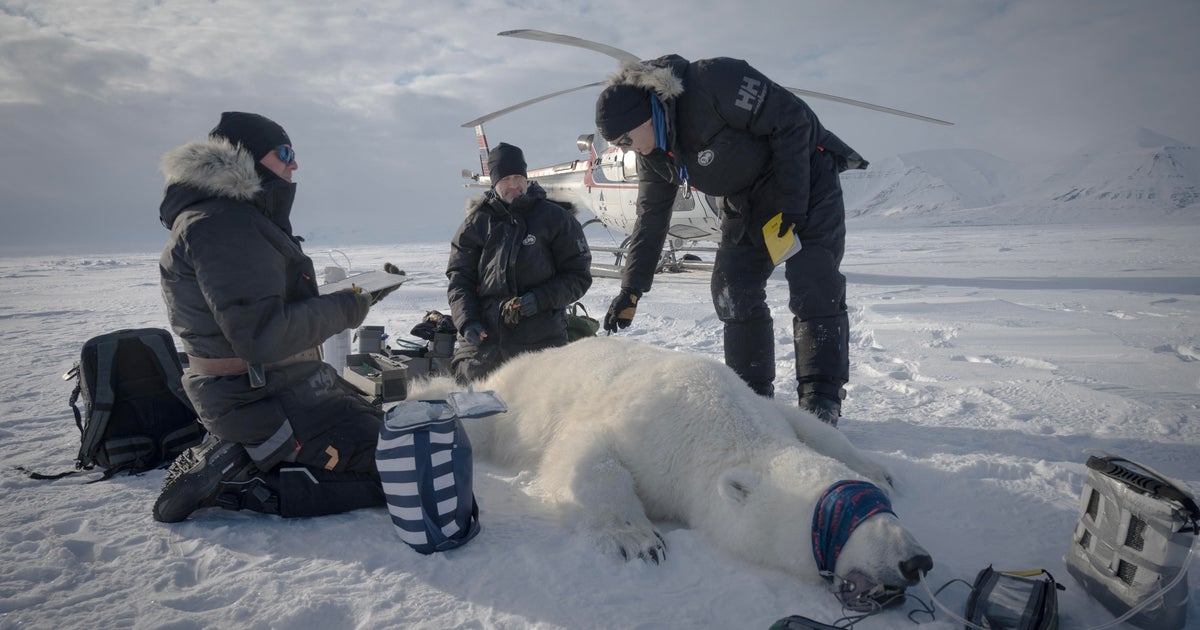
 CBS News
Scientists "quite surprised" to find one polar bear population thriving: "A fat bear is a healthy bear"
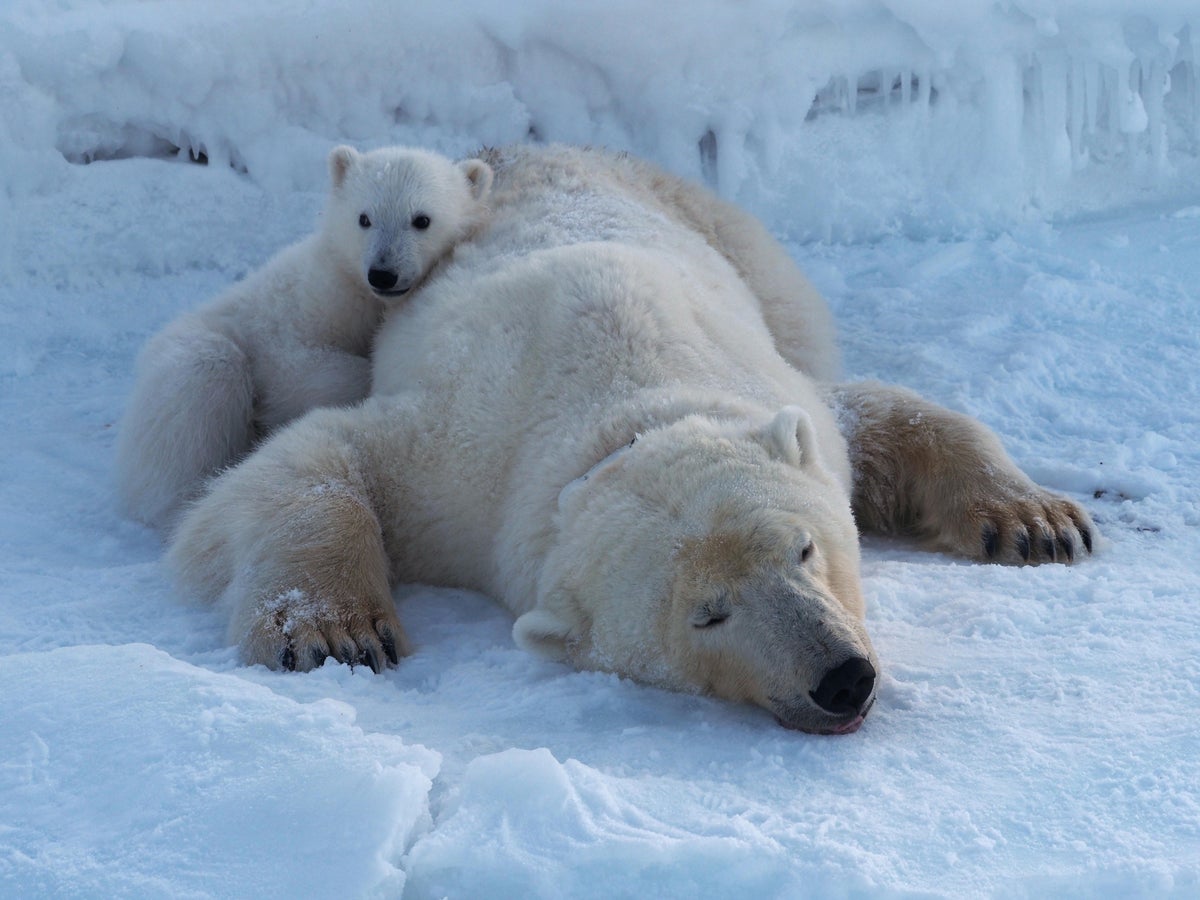
 Scientific American
Svalbard’s polar bears are showing remarkable resilience to climate change
 BBC News
Polar bears getting "fatter and healthier" amid ice loss
Overview
Researchers led by Jon Aars of the Norwegian Polar Institute reported that Svalbard polar bears gained body mass between 1992 and 2019 based on more than 1,000 body measurements of 770 bears, the paper in Scientific Reports says.
The finding matters because the Svalbard region's annual sea ice season had shortened by more than two months by 2019 and ice-free days increased by roughly four days per year, records show.
Jon Aars said in a media interview that increased access to alternative prey, including recovering walrus numbers and reindeer, may explain the weight gain, while other scientists cautioned the trend could be temporary.
The study's dataset covers 770 bears in the Svalbard archipelago and does not directly reflect other Arctic subpopulations, some of which in Alaska, Canada and Greenland show declining trends, conservation records indicate.
The study's authors warned that continued sea ice loss could reverse the gains and called for ongoing monitoring of cub survival and population trajectories to assess long-term impacts.
Analysis
Center-leaning sources present this story neutrally: they balance observations of Svalbard bears' weight gain and population increase with context about rapid sea‑ice loss and declines elsewhere, use cautious qualifiers ("probably", "data is sparse"), and include multiple causal factors (reindeer, walrus recovery), minimizing sensational language or one-sided emphasis.
FAQ
Increased access to alternative prey, such as recovering walrus and reindeer populations, likely explains the weight gain.
The annual sea ice season shortened by more than two months by 2019, with ice-free days increasing by about four days per year.
No, the study covers only Svalbard's 770 bears; other subpopulations in Alaska, Canada, and Greenland show declining trends.
Authors warn that continued sea ice loss could reverse the gains, urging monitoring of cub survival and population trends.
Jon Aars of the Norwegian Polar Institute led the research, analyzing over 1,000 measurements from 770 bears between 1992 and 2019.

