Donald Trump Says U.S. Begins Talks With Cuba as Oil Supplies Cut
Trump told reporters on Jan. 31 that "We're starting to talk to Cuba" after signing an executive order imposing tariffs on countries that sell oil to the island.
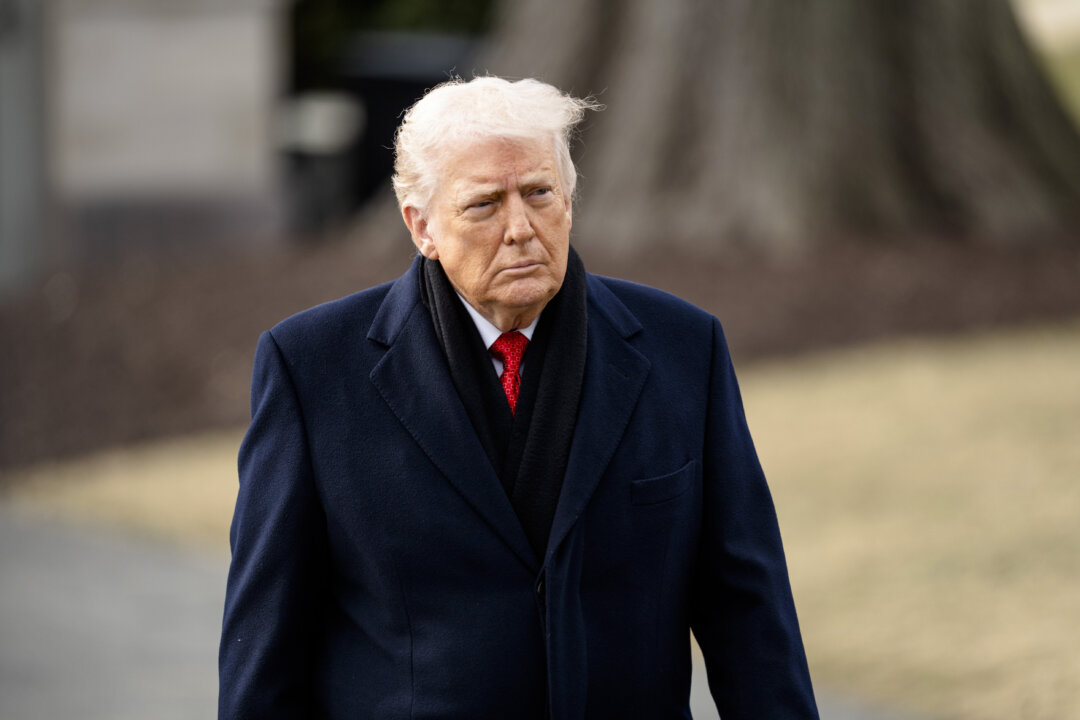
 Epoch Times
Trump Says US Starting to Talk With Cuba Following Cuts to Oil Deliveries
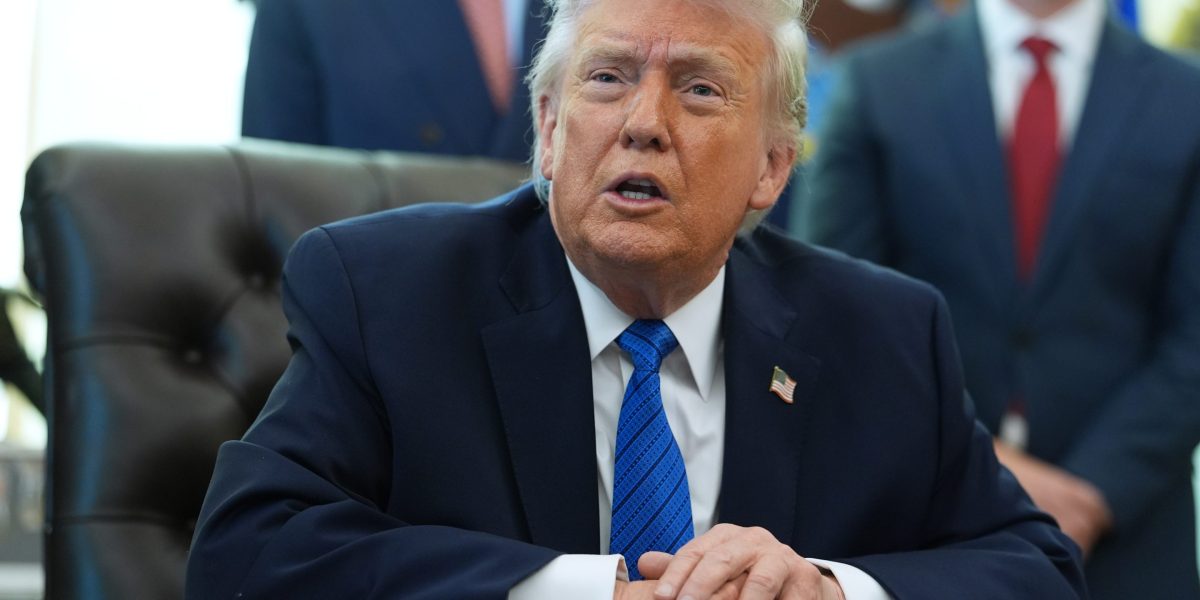
 Fortune
Down Arrow Button Icon
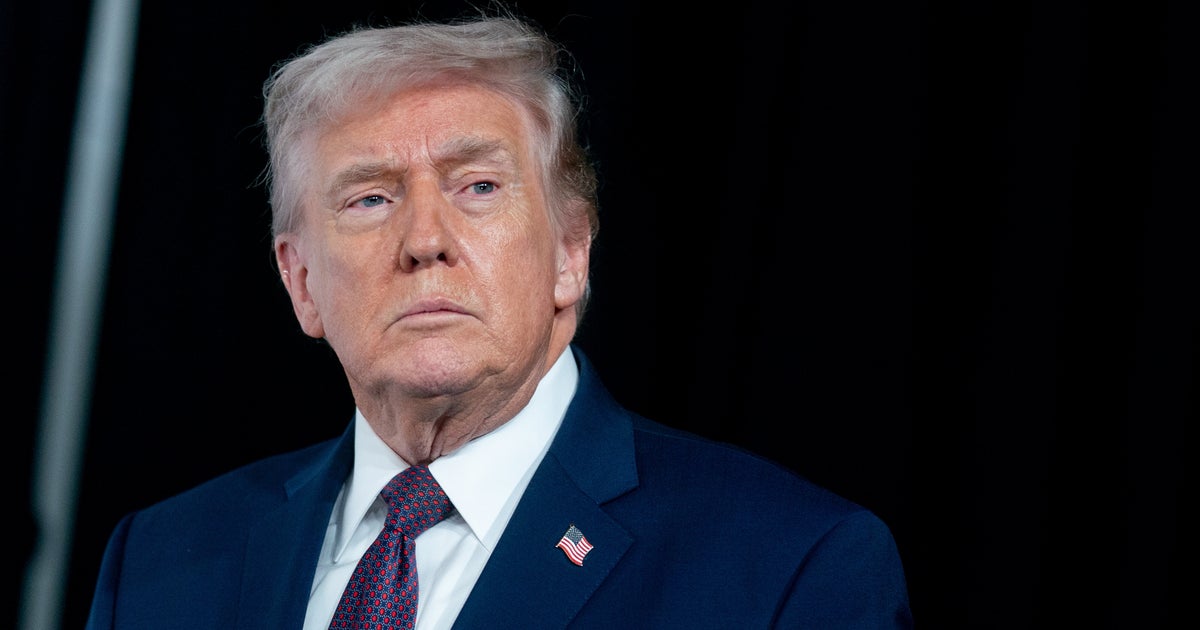
 HuffPost
Trump Says U.S. Is 'Starting To Talk To Cuba' As He Moves To Cut Its Oil Supplies
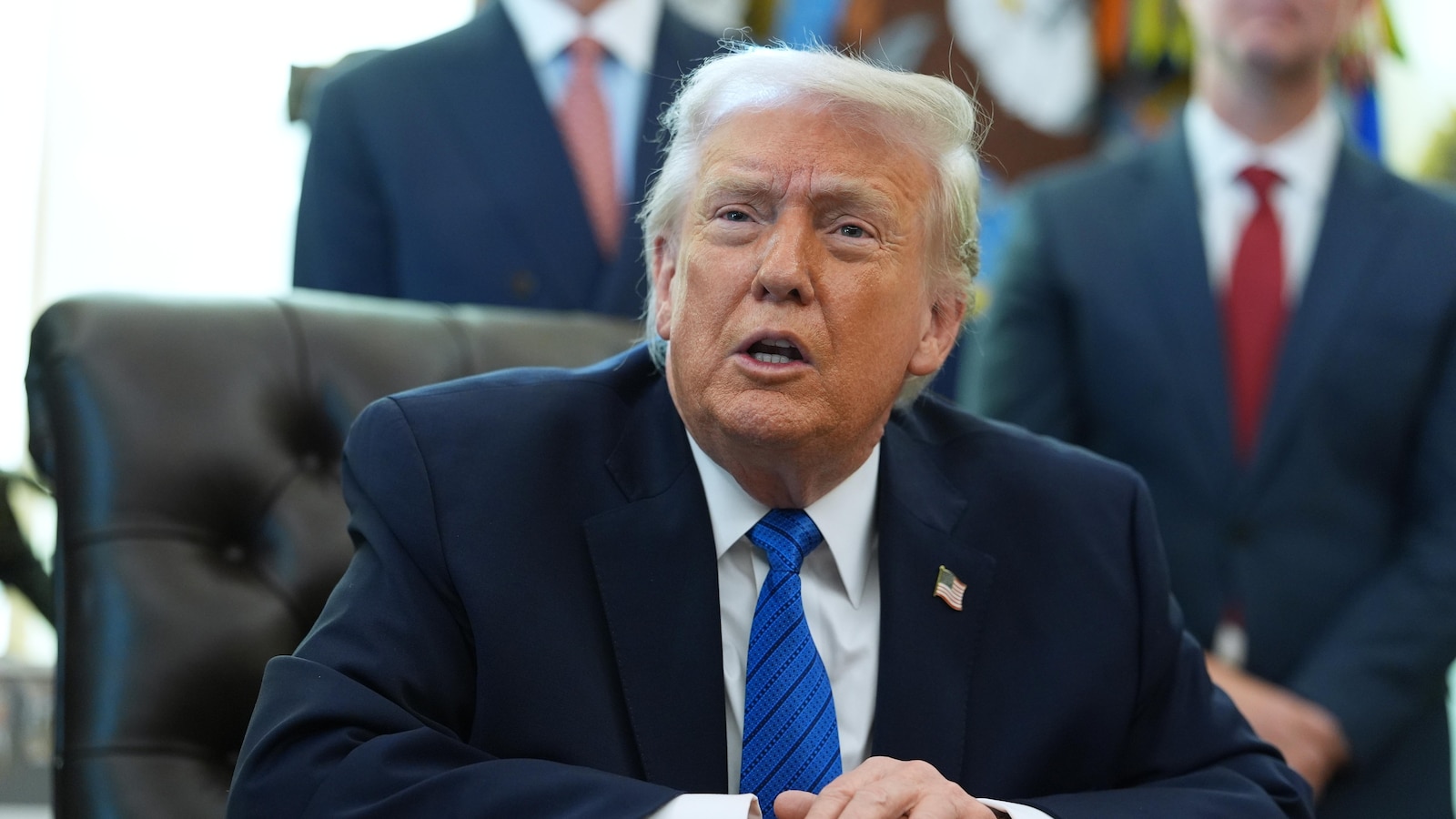
 ABC News
Trump says US is 'starting to talk to Cuba' as he moves to cut its oil supplies
Overview
President Donald Trump told reporters on Air Force One on Jan. 31, "We're starting to talk to Cuba," after his administration cut oil shipments and imposed tariffs on countries selling petroleum to Cuba, officials confirmed.
The move follows the administration's early January capture of Venezuela's then-President Nicolás Maduro and is aimed at pressuring Havana to negotiate, according to White House statements.
Mexican President Claudia Sheinbaum warned the tariff could cause a humanitarian crisis and said her government would seek alternatives to continue aiding Cuba, she told reporters on Jan. 31.
Analysts estimate Cuba has 15 to 20 days of oil reserves at current consumption and has endured 12-hour daily blackouts, raising risks of broad rationing, analysts and energy experts said.
Trump predicted the Cuban government is ready to fall and the White House did not specify outreach details, while Cuban President Miguel Díaz-Canel Bermúdez has said he would not negotiate, marking conflicting accounts.
Analysis
Center-leaning sources frame the story as a cautious critique of U.S. pressure on Cuba, emphasizing Trump’s assertive tactics and predictions while highlighting Mexican warnings about humanitarian risk. Through selective language and sequencing, they portray the policy as forceful and unclear, amplifying consequences and offering limited Cuban or independent expert perspectives.
FAQ
The US cut off oil shipments from Venezuela after capturing Nicolás Maduro in early January, and Trump signed an executive order imposing tariffs on countries selling oil to Cuba, pressuring Mexico as Cuba's remaining supplier.[1]
Analysts estimate Cuba has 15 to 20 days of oil reserves, leading to 12-hour daily blackouts and risks of broad rationing.[story]
Mexican President Claudia Sheinbaum warned of a potential humanitarian crisis and stated her government would seek alternatives to continue aiding Cuba.[1]
Trump stated 'We're starting to talk to Cuba' on Air Force One on Jan. 31, later clarifying talks with the 'highest people in Cuba' outside Mar-a-Lago, predicting a deal to make Cuba free.[1]
The US military captured Venezuelan President Nicolás Maduro on January 3 in Operation Absolute Resolve, halting Venezuela's oil shipments to Cuba and shifting US focus to pressuring Havana.[1]


