Trump Rule Reclassifies 50,000 Federal Workers As At-Will
OPM published a rule on Feb. 5, 2026 reclassifying about 50,000 career civil servants into 'Schedule Policy/Career' to allow at‑will removal.
 The Guardian
Trump administration issues rule making it easier to fire federal workers – live
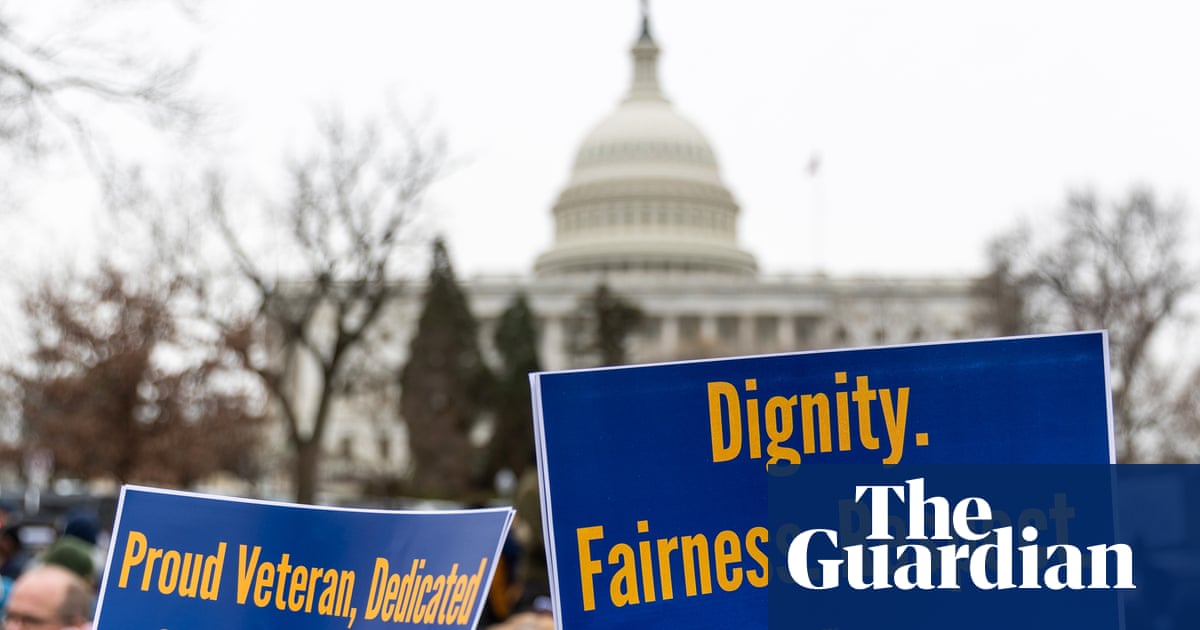 The Guardian
Trump administration issues rule that makes it easier to fire federal workers
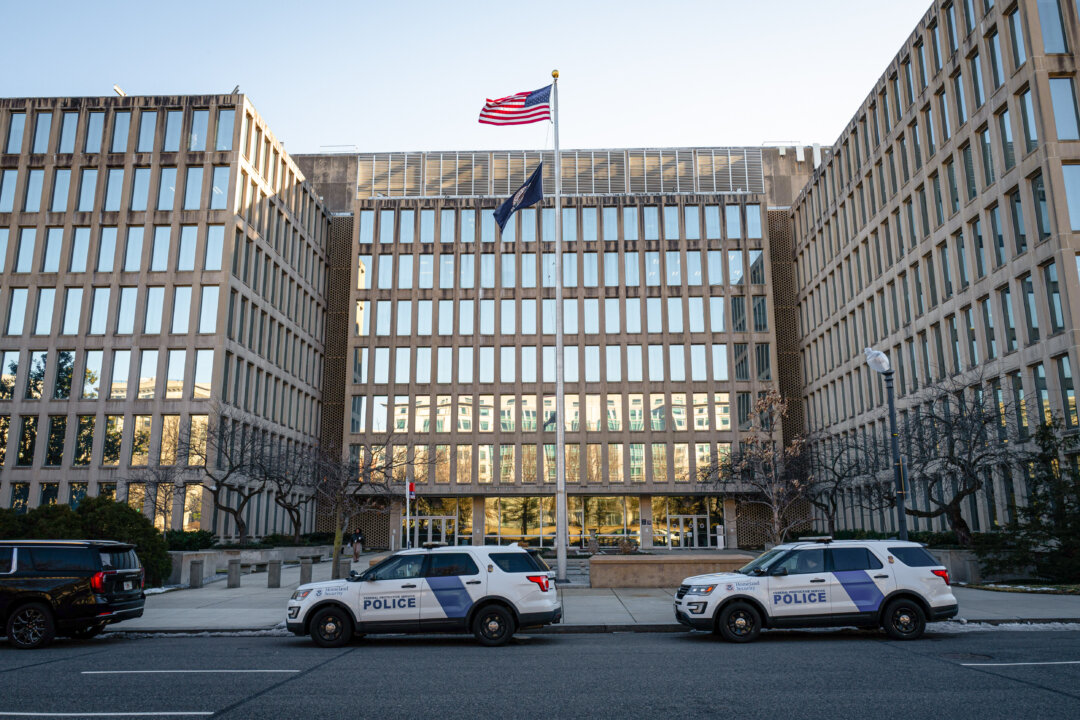
 Epoch Times
Trump Admin Issues New Rule Making It Easier to Fire Senior Federal Workers

 USA TODAY
Trump expands his power to hire and fire 50,000 federal workers
Overview
The Office of Personnel Management published a final rule on Feb. 5, 2026 reclassifying an estimated 50,000 career federal employees into a new "Schedule Policy/Career" category that would permit at‑will removal, according to the OPM statement.
The rule rescinds a 2024 regulation and instructs agencies to convert policy‑influencing career staff and shift whistleblower oversight from the independent Office of Special Counsel to agencies, a change described in the rule text as allowing quick removal of employees who "obstruct Presidential directives."
OPM Director Scott Kupor said the reclassification will bring "much‑needed accountability" to career policy roles, while Skye Perryman, CEO of Democracy Forward, and Everett Kelley, president of the American Federation of Government Employees, said they will return to court to block what they called an unlawful politicization of the civil service.
The measure would expand the number of at‑will positions from roughly 4,000 traditional political appointee slots to about 50,000 employees—about 2% of the federal workforce—and a coalition of more than 30 unions and advocacy groups has already signaled legal challenge, union and coalition statements show.
Legal experts and the groups challenging the policy said the rule will face immediate judicial review and that litigation is expected in the coming days, with potential consequences for whistleblower protections and agency personnel procedures.
Analysis
Center-leaning sources frame the rule as a sweeping, risky rollback of civil-service protections, using charged terms ('strip job protections', 'overhaul') and citing legal challenges and unions prominently. Administration rationales appear but are secondary; coverage emphasizes potential whistleblower weakening and judicial scrutiny, shaping a cautionary narrative about concentrated executive power.
FAQ
It is a new category reclassifying about 50,000 career civil servants, allowing at-will removal without traditional protections, aimed at policy-influencing roles to enable quick firing for obstructing presidential directives.
The rule shifts whistleblower oversight from the independent Office of Special Counsel to agencies themselves, potentially weakening protections.
OPM Director Scott Kupor supports it for increasing accountability; opponents like Democracy Forward's Skye Perryman and unions call it unlawful politicization and plan lawsuits.
It revives Schedule F from Trump's first term, which was rescinded by a 2024 regulation under Biden; the new rule rescinds that and implements similar changes.
It does not take effect until 30 days after publication; agencies must continue current classifications until the president designates positions via executive order, with lawsuits expected soon.

