President Donald Trump Directs Military To Buy Power From Coal Plants
Executive order on Feb. 11, 2026 directs the Secretary of War and Energy to seek long-term power purchase agreements with coal-fired plants.
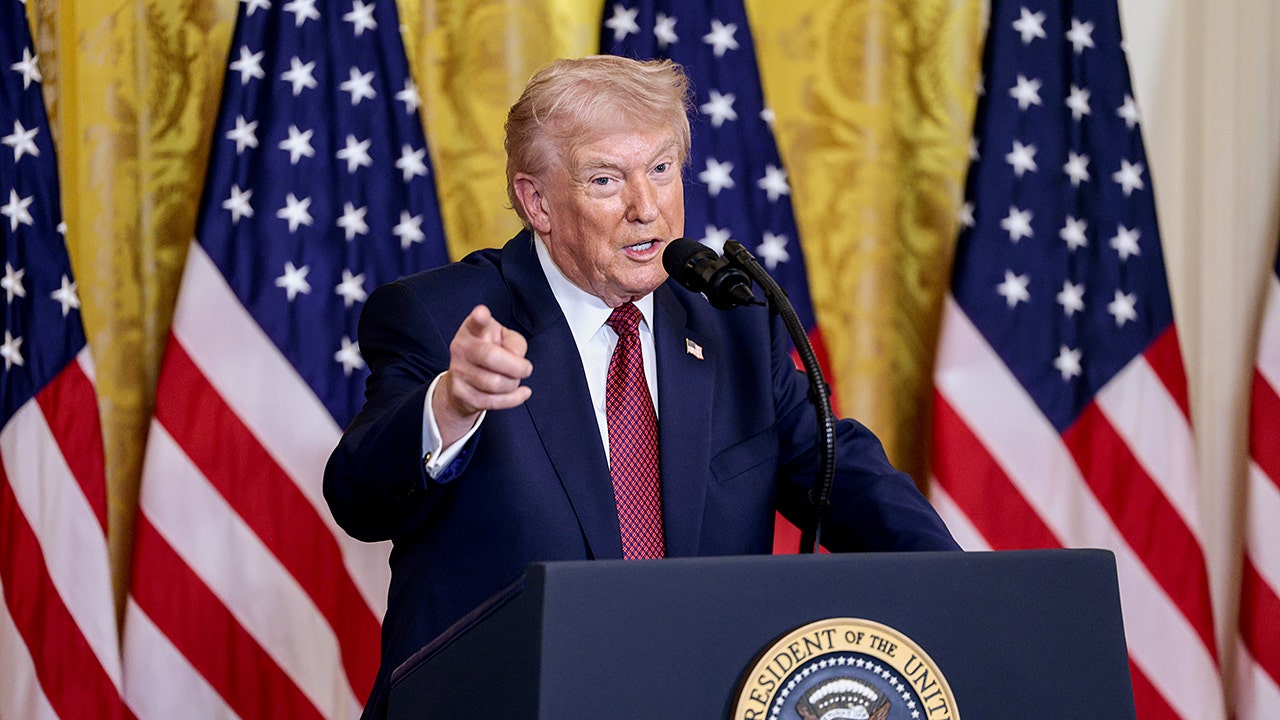
 FOX News
Trump directs military to strike new deals with coal-fired power plants: ‘Going to be buying a lot of coal’
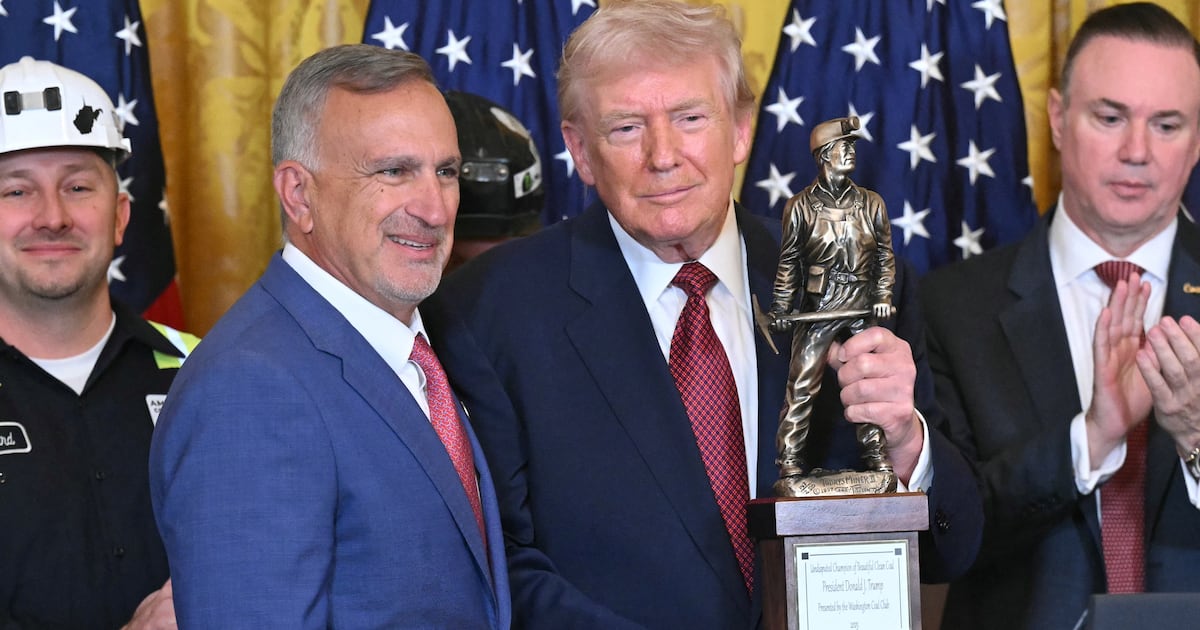
 Daily Beast
Giddy Trump, 79, Accepts Another Made Up Award

 ARS Technica
Trump orders the military to make agreements with coal power plants
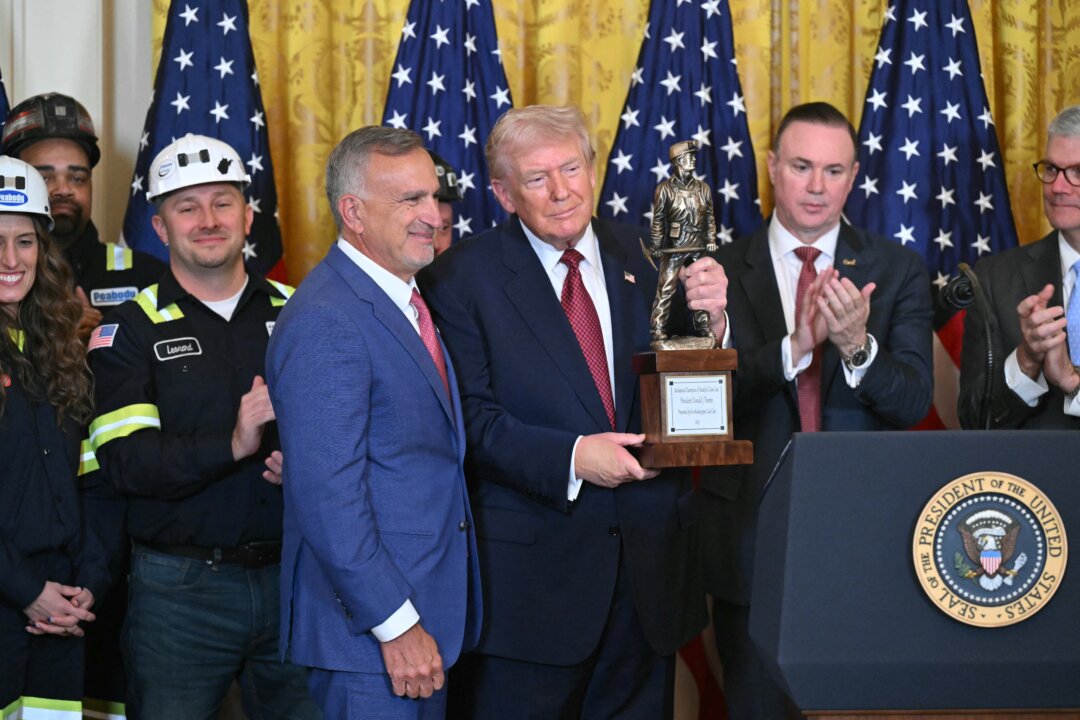
 Epoch Times
Trump Orders Military to Purchase Electricity From Coal-Fueled Power Plants
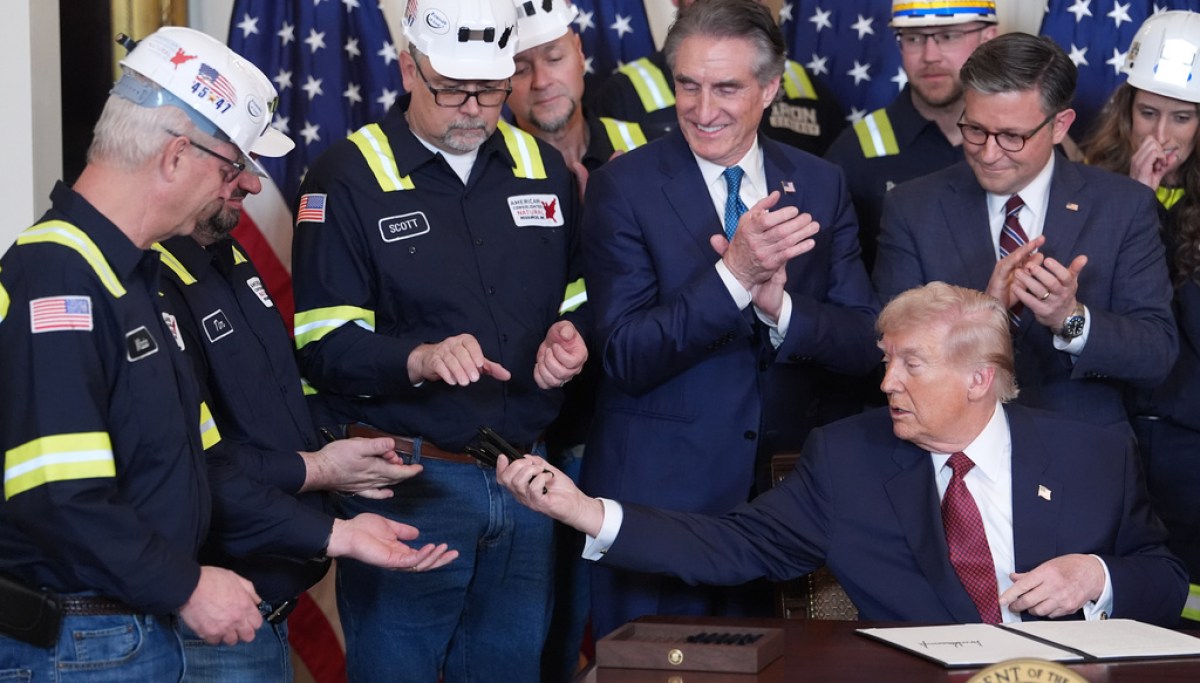
 Washington Examiner
Trump signs executive order for federal purchases of coal power
Overview
President Donald Trump signed an executive order on Feb. 11, 2026 directing the Secretary of War and Secretary of Energy to seek long-term power purchase agreements with U.S. coal-fired plants for military installations, according to the order.
The order frames coal as essential to national security and grid resilience, a justification Trump used at the Feb. 11 White House event while analysts warned long-term contracts could raise consumer costs by over $3 billion annually.
Ted Kelly, director and lead counsel at the Environmental Defense Fund, said on Feb. 11 that the order was 'an absurd misuse of public funds' and would raise electricity bills, the group said.
The administration announced Department of Energy funds for five coal plants in West Virginia, Ohio, North Carolina and Kentucky, according to a White House release.
Tri-State Generation and Transmission Association and Platte River Authority filed a petition with the Energy Department seeking reconsideration of an emergency order to keep the Craig Generation Station online, the utilities said.
Analysis
Center-leaning sources frame the story skeptically by pairing loaded descriptors ("most polluting", "tenuous interpretation", "alternate reality") with selective context—highlighting economic and environmental facts, legal challenges, and military-contract implications—while elevating critical voices and omitting pro-coal rationales, producing a narrative that delegitimizes the order’s claims.
FAQ
The order directs them to seek long-term Power Purchase Agreements or similar contracts with coal-fired power plants to supply power to Department of War installations and mission-critical facilities, prioritizing grid reliability and on-site fuel security.[1]
Funds are allocated to coal plants in West Virginia, Ohio, North Carolina, and Kentucky.[1]
It states that coal provides reliable, continuous baseload power essential for military installations, grid resilience, and defense against disruptions from intermittent sources or emergencies.[1]
Analysts warn it could raise consumer costs by over $3 billion annually, and the Environmental Defense Fund called it an absurd misuse of public funds that would increase electricity bills.[story]
In April 2025, executive orders designated coal as a mineral, lifted mining barriers on federal lands, provided regulatory relief, and stopped closures of 17 gigawatts of coal power.