Federal Appeals Court Upholds Ban on Venezuelan Migrant Deportations, Challenges Trump Administration's State Secrets Claim
A court prevents the Trump administration from deporting Venezuelan migrants under wartime law while the administration invokes state secrets privilege.
 Newsweek
How Trump-appointed judge ruled in deportation case
 Newsweek
What deportation ruling means for Donald Trump's immigration plans

 PBS NewsHour
Appeals court won't halt order barring Trump administration from deportations under Alien Enemies Act

 TIME Magazine
Trump Invokes 'State Secrets Privilege.' Here's What It Means
Overview
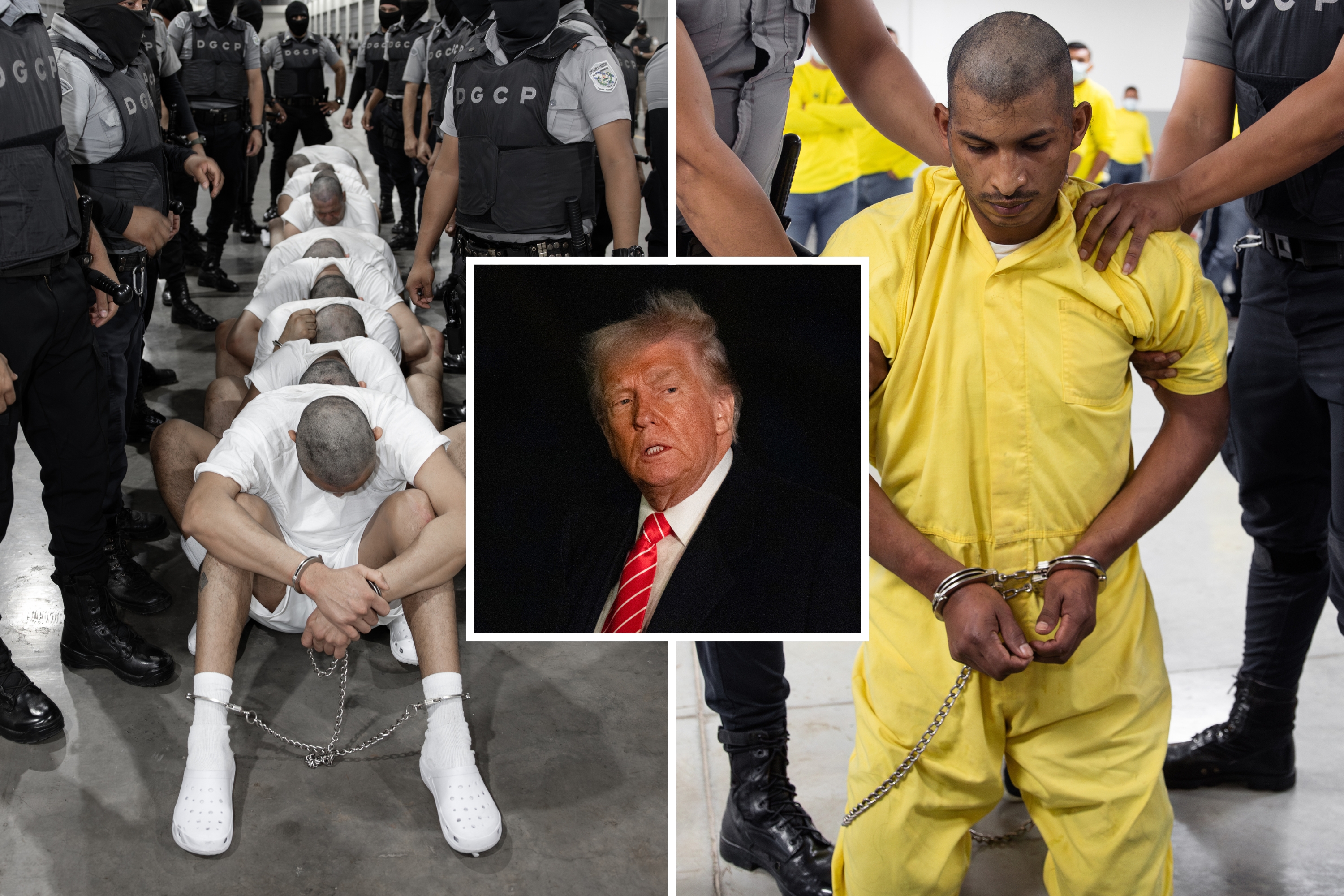
A federal appeals court upheld a ban on deporting Venezuelan migrants under the Alien Enemies Act, rejecting the Trump administration's request to lift the injunction. U.S. District Judge James Boasberg previously ordered for deportations to cease and for affected individuals to be allowed to challenge their status. The administration invoked state secrets privilege to avoid disclosing details about the migrant flights, raising concerns over legal accountability and due process. This ongoing case exemplifies increasing conflicts between federal courts and the White House regarding national security and immigration issues.
Analysis
The Trump administration invoked the state secrets privilege to keep information regarding the deportation of Venezuelan migrants confidential, citing national security and diplomatic concerns.
The use of the state secrets privilege has a historical precedent, but there are criticisms about its potential to obscure governmental misconduct or illegal activities.
Judicial responses to the invocation of the privilege can vary, with courts sometimes accepting the government's claims and other times demanding private reviews.