Trump's Executive Order on Prescription Drug Prices: A New Push for Change
President Trump signs an executive order aimed at lowering U.S. drug prices, blaming foreign nations while addressing systemic market issues.

 TIME Magazine
Will Trump’s Executive Order Lower Prescription Drug Prices?
 Associated Press
FACT FOCUS: Trump blames other countries for high US drug prices. Experts say it's not their fault
 CBS News
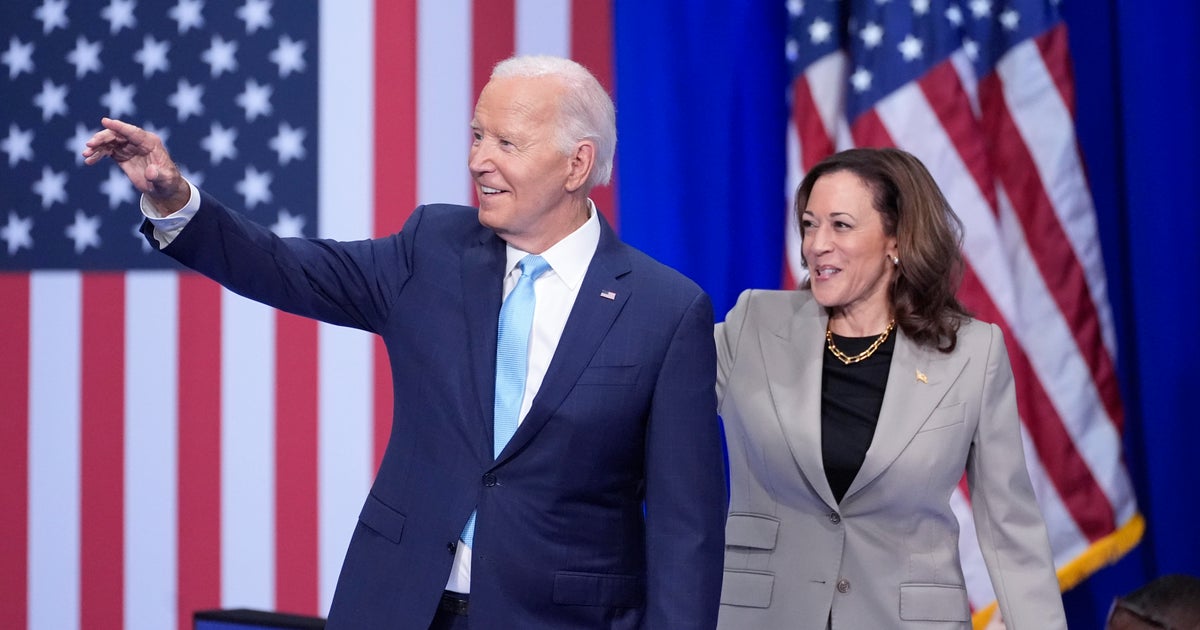
Trump wants drug price caps tied to foreign nations. Here's why Biden never did it.
 CBS News
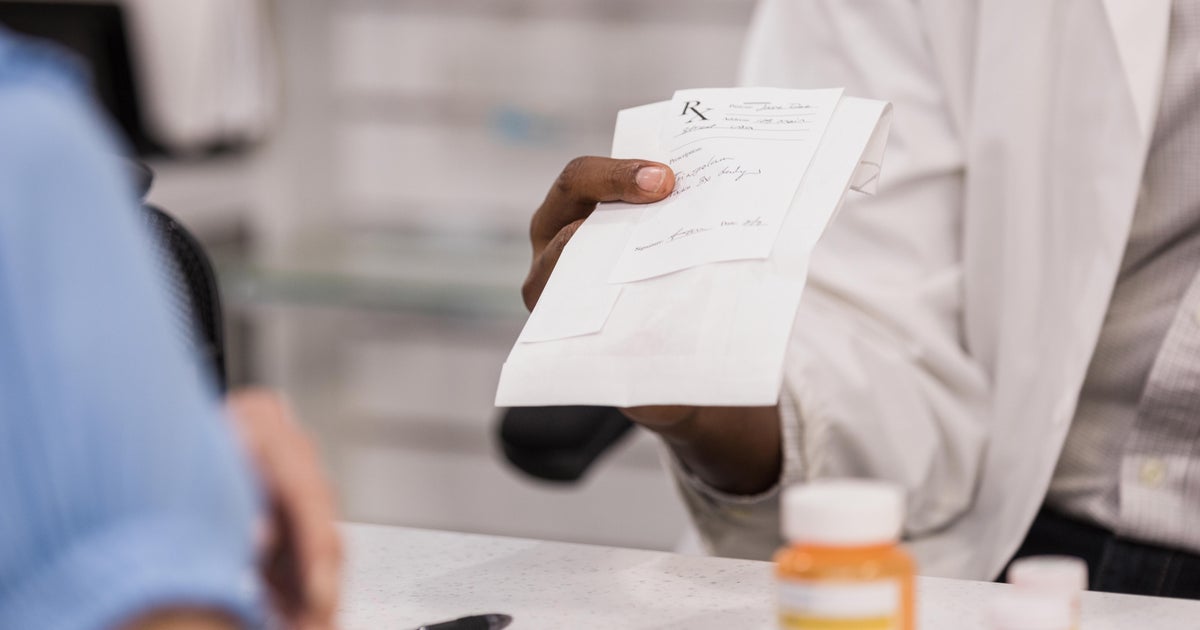
Can Trump lower prescription drug prices? Here's why U.S. drug costs are so high.
Overview
President Trump signed an executive order seeking to reduce U.S. prescription drug prices by pressuring pharmaceutical companies to lower costs. The order establishes a 30-day deadline for compliance and could lead to regulatory actions if drugmakers don't negotiate prices downward. Despite Trump's claims about foreign pricing influences, experts argue that the high costs are largely due to differences in negotiation strategies within the U.S. market. The impact of the order remains uncertain, as the pharmaceutical industry expressed criticism, highlighting concerns about innovation and market stability.
Analysis
President Trump signed an Executive Order aimed at lowering prescription drug prices in the U.S. by allowing the government to negotiate prices or import cheaper drugs if companies do not comply.
While Trump attributes high drug prices to foreign nations benefiting from U.S. consumers, experts argue that structural differences in the U.S. drug pricing system contribute significantly to the issue.
The Executive Order calls for establishing a 'most favored nation' model for drug pricing, using prices from other high-income countries as a benchmark.