


House GOP's 'One Big Beautiful Bill Act' Suffers Setback but Introduces AI Regulation Ban
House Republicans' budget bill fails in committee amid dissent, while newly added AI regulation ban faces uncertain future.
Overview
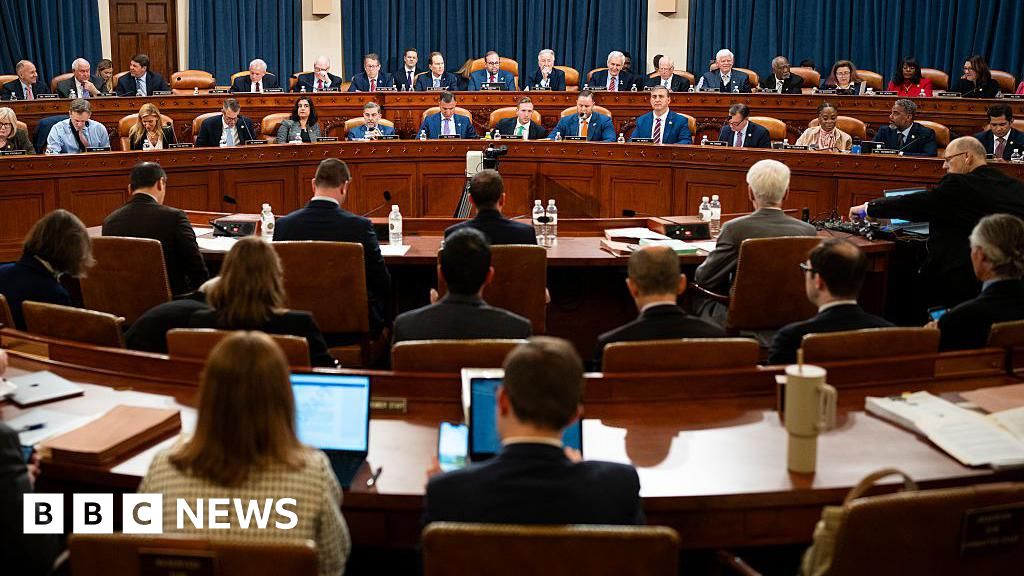
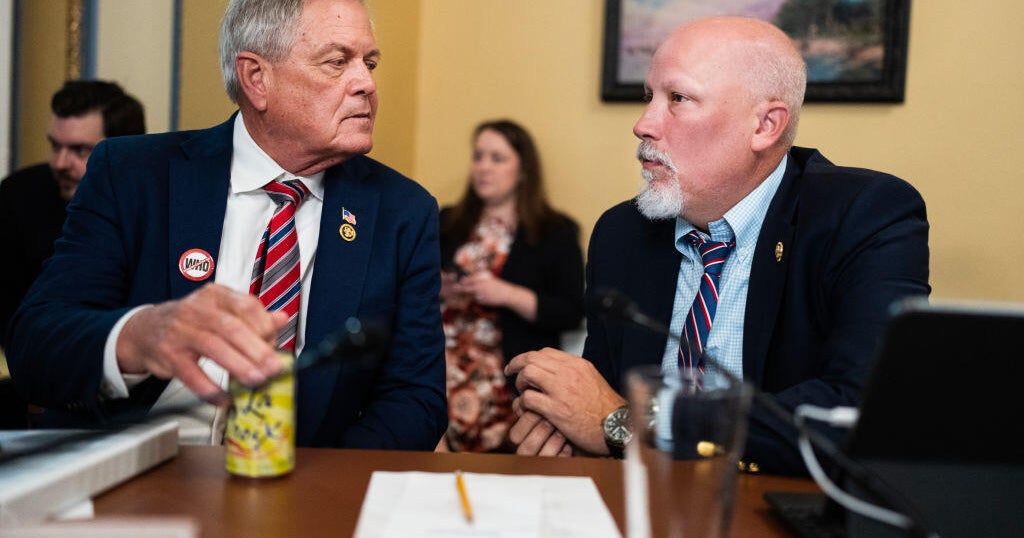
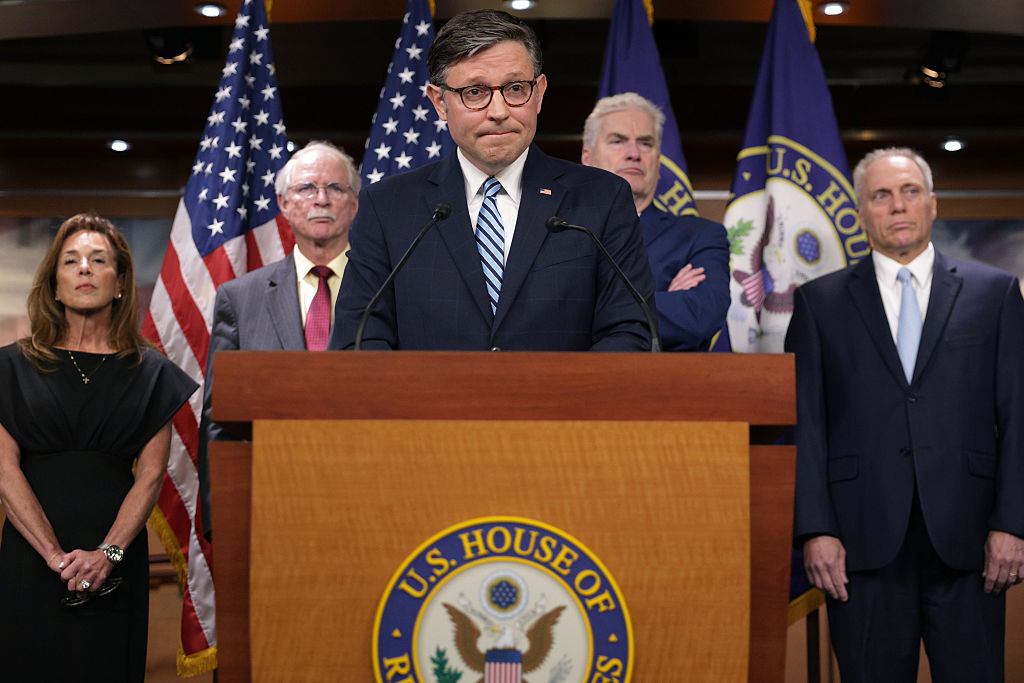
On May 16, 2025, House Republicans' 'One Big Beautiful Bill Act' failed in the Budget Committee with a vote of 21-16. Five Republicans joined Democrats in opposing the bill, which included steep cuts to Medicaid and the elimination of green energy tax credits. A significant new provision, however, bans states from regulating AI for ten years, sparking outrage among state governments. Critics warn the bill would harm millions and increase deficits, while Speaker Mike Johnson's leadership is under scrutiny as dissenters, including hardliners like Reps. Chip Roy and Ralph Norman, express their dissatisfaction.
Analysis
Analysis unavailable for this viewpoint.
Articles (37)
Center (13)









FAQ
The core focus of the 'One Big Beautiful Bill Act' is to implement tax cuts, spending reductions, and strengthen border security, with key provisions including over $5 trillion in tax cuts and significant spending cuts, including Medicaid reductions.
The bill includes a provision banning states and localities from regulating artificial intelligence for a decade, which has sparked concern among state governments. However, its future is uncertain due to potential Senate procedural issues.
The bill failed in the committee due to lack of support from some Republicans, who opposed key aspects such as Medicaid cuts, joining Democrats in opposition.
The bill could increase deficits and harm millions of people due to steep Medicaid cuts and the elimination of green energy tax credits, while also potentially boosting economic growth through tax cuts.
History
This story does not have any previous versions.