Supreme Court to Review Challenge to Illinois Mail-In Ballot Law
The Supreme Court will hear a case regarding the legality of counting mail-in ballots received after Election Day in Illinois.
 Associated Press
Supreme Court will consider reviving Republican challenge to Illinois law on mail ballots
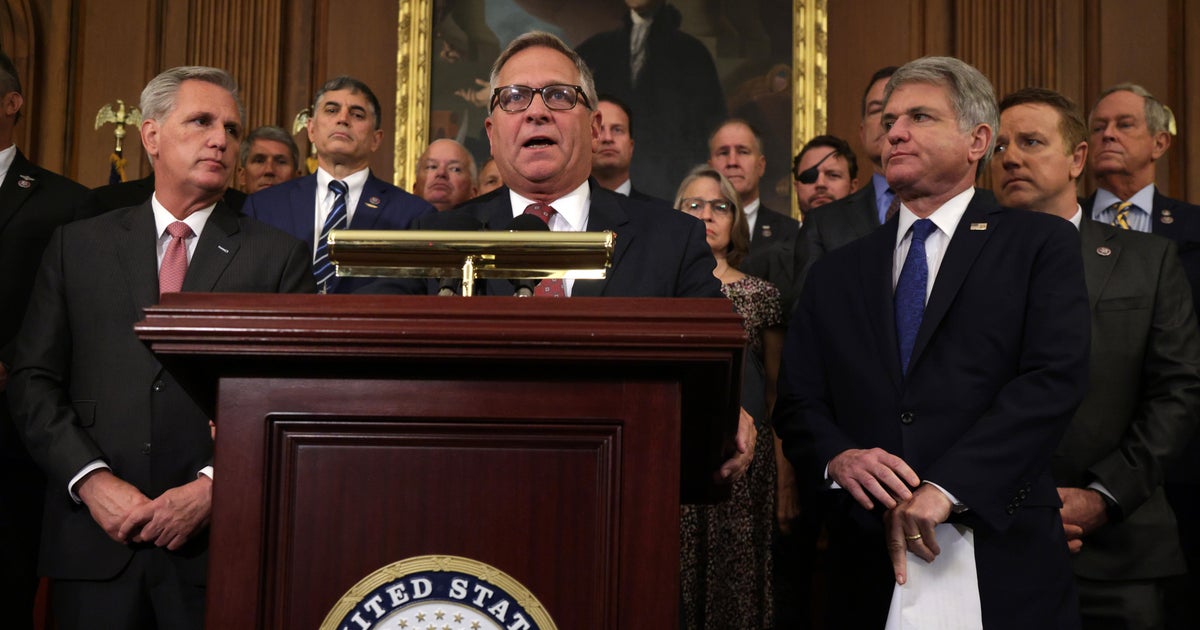
 CBS News
Supreme Court to weigh whether to revive Republicans' challenge to Illinois law for late-arriving ballots
 CNN
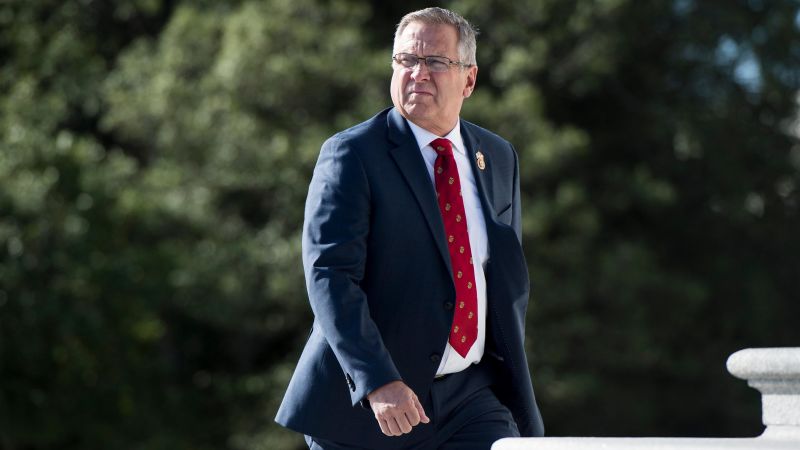
CNNSupreme Court agrees to hear absentee ballot appeal from Illinois congressman | Politics

 USA TODAY
Supreme Court to decide if challenge to Illinois' grace period for mail-in ballots can proceed
Overview
The Supreme Court will consider whether Rep. Mike Bost and two Republican electors have the standing to challenge an Illinois law that allows mail-in ballots to be counted if received up to two weeks after Election Day. Lower courts ruled they lacked standing, but the case could impact ongoing debates about mail-in voting and election integrity. The justices will hear arguments in the fall, with a decision expected by June 2026.
Analysis
The articles discuss a Supreme Court case about mail-in ballot regulations in Illinois.
They present a balanced view, highlighting both Republican and election officials' perspectives.
The tone remains neutral, focusing on legal and procedural aspects without strong opinions.
FAQ
The law allows mail-in ballots in Illinois to be counted if received up to two weeks after Election Day, provided they are postmarked by Election Day[1].
Lower courts determined that Rep. Mike Bost and two Republican electors did not demonstrate a sufficient injury or stake in the outcome to justify their lawsuit, which is required for legal standing.
If the Supreme Court overturns the law, mail-in ballots received after Election Day would no longer be counted in Illinois, which could disenfranchise some voters and impact future election results and processes[1].
The Supreme Court will hear arguments in the fall and is expected to issue a decision by June 2026.
Illinois has expanded mail-in voting by allowing permanent vote-by-mail request lists, providing pre-paid postage for ballots, and making Election Day a state holiday under recent legislation.