


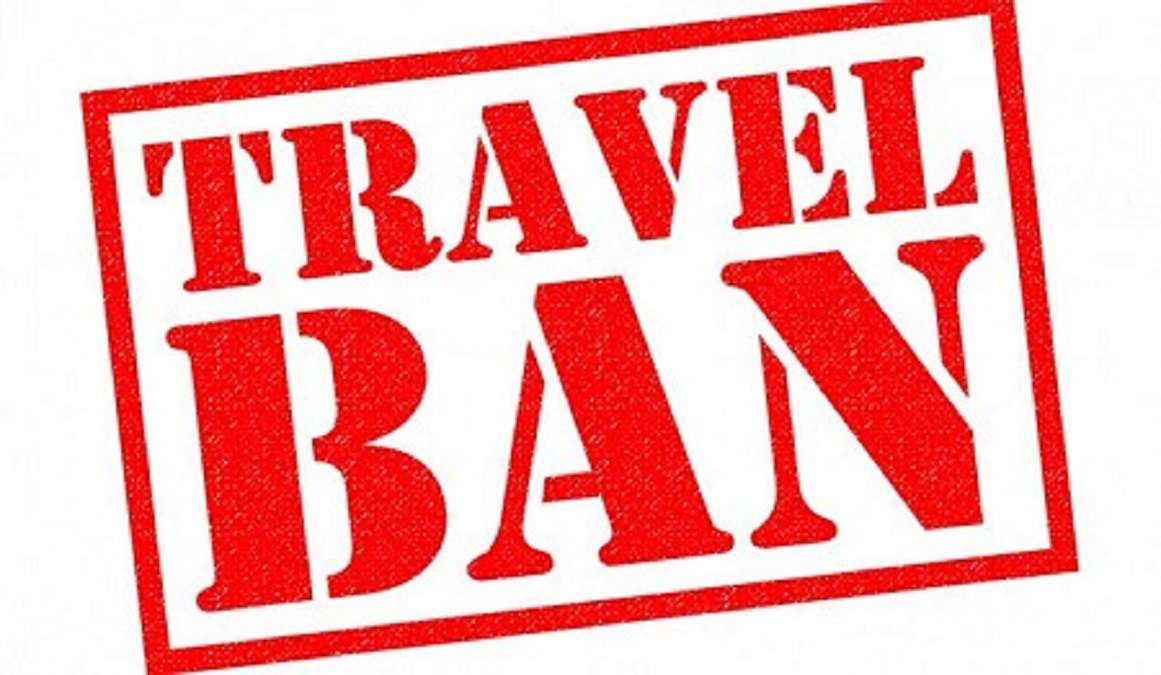
Trump's New Travel Ban: Exceptions and Controversies
President Trump's updated travel ban affects 12 countries but includes exceptions to prevent legal challenges, with current visas remaining intact for affected individuals.
Overview
President Trump has implemented a travel ban affecting 12 countries, primarily in Africa and the Middle East, with exceptions to avoid legal disputes.
The State Department has directed embassies not to revoke existing visas for individuals from the banned countries, ensuring current visa holders are unaffected.
Visa applicants from the affected countries with pending applications will be denied, as per the new guidelines from the State Department.
Exceptions to the travel ban include specific countries like Afghanistan, aimed at preventing legal challenges and ensuring smoother implementation.
Critics argue that the travel ban has racial undertones, echoing concerns from the initial 2017 ban, which was perceived as targeting Muslim-majority nations.
Analysis
Emphasizes a travel ban affecting individuals from 12 countries, with exceptions for existing visas.
Sources (154)
























FAQ
President Trump cited concerns about national security, inadequate vetting processes in the affected countries, and lack of cooperation on deportations as the reasons for implementing the travel ban.
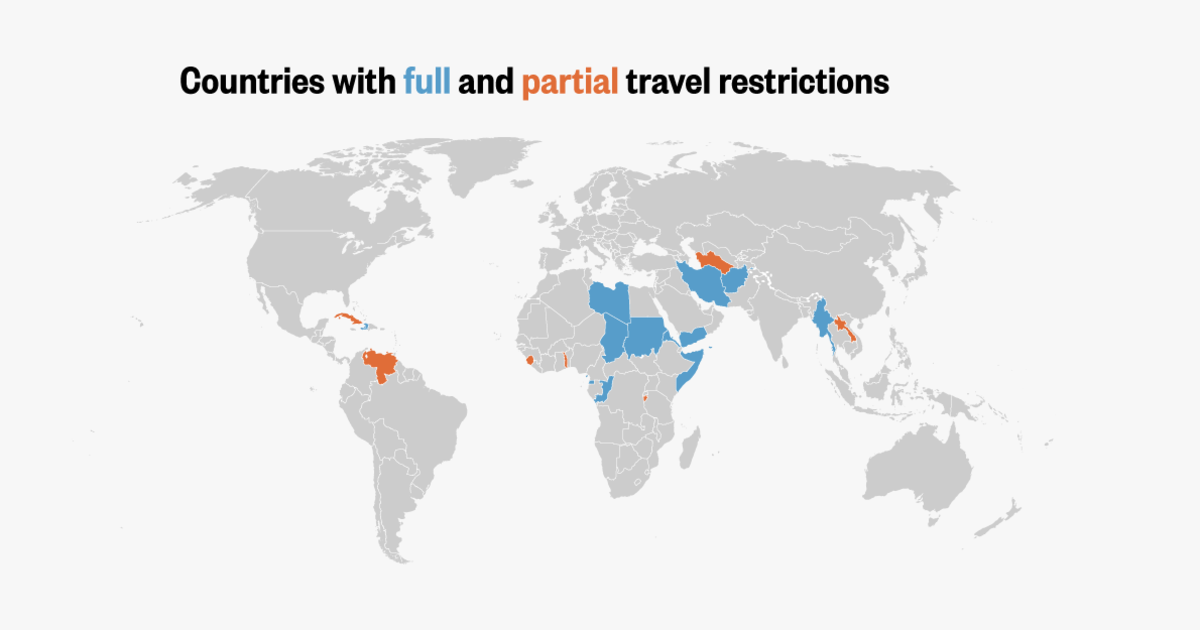
The countries fully banned from entering the U.S. are Afghanistan, Myanmar, Chad, the Republic of the Congo, Equatorial Guinea, Eritrea, Haiti, Iran, Libya, Somalia, Sudan, and Yemen.
Exceptions include lawful permanent residents, existing visa holders, certain visa categories, and individuals whose entry serves U.S. national interests. Current visas remain intact for affected individuals.

History
This story does not have any previous versions.