U.S. Economy Faces Challenges Amid Tariffs and Rising Jobless Claims
The U.S. economy is experiencing rising inflation and jobless claims, influenced by President Trump's tariffs and ongoing trade tensions with China.

 CNET
CNETHow Much Will the iPhone 17 Cost? Is a $2,400 Tariff-Fueled Price Tag Realistic?
 Breitbart News
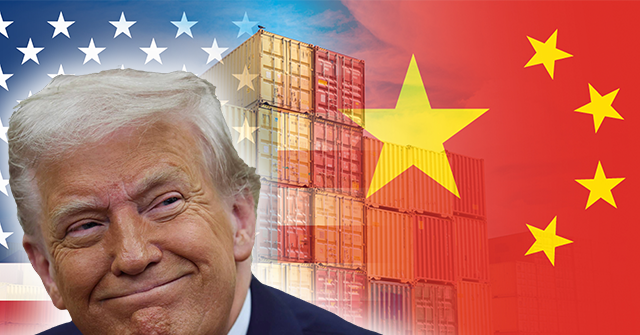
Business Digest: Tariffs Aren’t Driving Up Prices; They’re Driving Down Foreign Suppliers
 NBC News
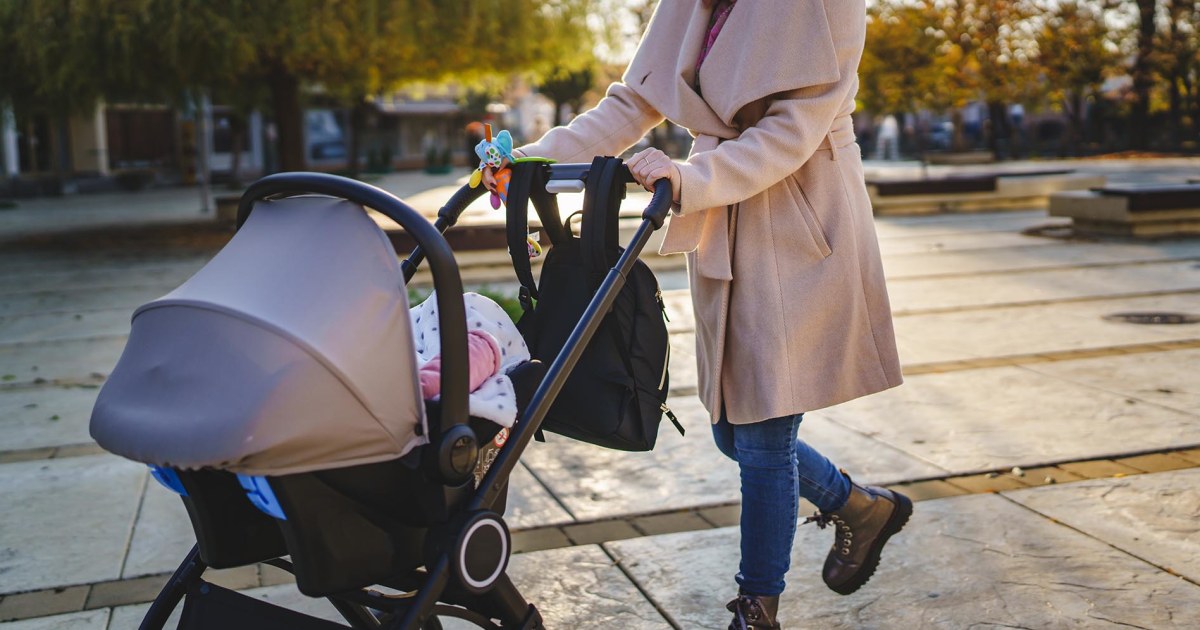
Prices for common baby items are rising due to Trump's tariffs, congressional analysis says
 NBC News
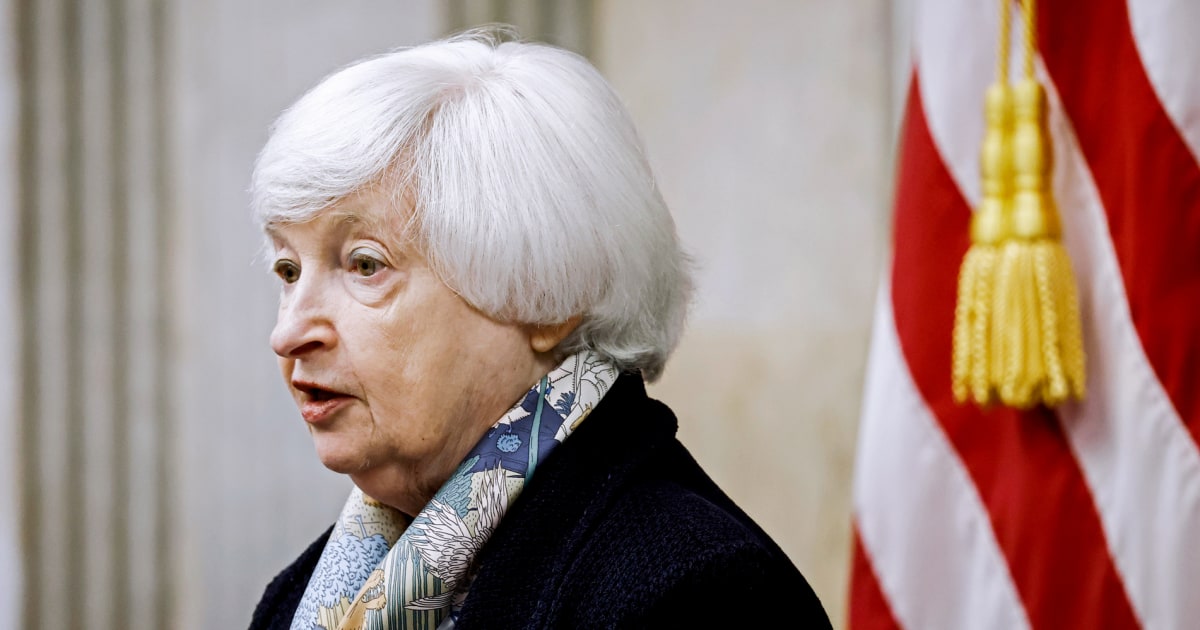
Yellen expects Trump's tariffs will hike inflation to 3% year over year
Overview
President Trump has implemented new 10% tariffs on Chinese imports, part of a broader strategy affecting various countries.
U.S. inflation rose to 2.4% in May, with experts warning that tariffs could lead to higher consumer prices.
Jobless claims reached 248,000, the highest level in 8 months, indicating potential layoffs amid economic uncertainty.
Federal Reserve Chair Jerome Powell highlighted the challenges of managing inflation and unemployment due to tariff impacts.
Despite rising jobless claims, U.S. employers added 139,000 jobs in May, showcasing a complex economic landscape.
Analysis
Emphasizes the impact of tariffs and rising jobless claims on the U.S. economy.
FAQ
The new tariffs, particularly the 10% tariffs on Chinese imports, are expected to increase U.S. inflation by potentially raising consumer prices. However, the full impact might take time to materialize as businesses may be hesitant to pass on higher costs immediately.
Despite rising jobless claims reaching 248,000, the highest in 8 months, U.S. employers added 139,000 jobs in May, indicating a complex situation with mixed economic signals.
Federal Reserve Chair Jerome Powell has highlighted the challenges of managing inflation and unemployment due to tariff impacts. The Federal Reserve's approach typically involves adjusting interest rates to balance economic growth and inflation control, but specific actions have not been detailed in the article.