Supreme Court Upholds Tennessee's Gender-Affirming Care Ban Amidst Controversy
The U.S. Supreme Court's 6-3 ruling on Tennessee's ban on gender-affirming care for minors has ignited debate over transgender rights and healthcare access.

 Boston Globe
Families of trans kids worry about what's next after Supreme Court rules on gender-affirming care

 The Post Millennial
Justice Thomas takes aim at ‘expert’ class in concurrence banning child sex changes
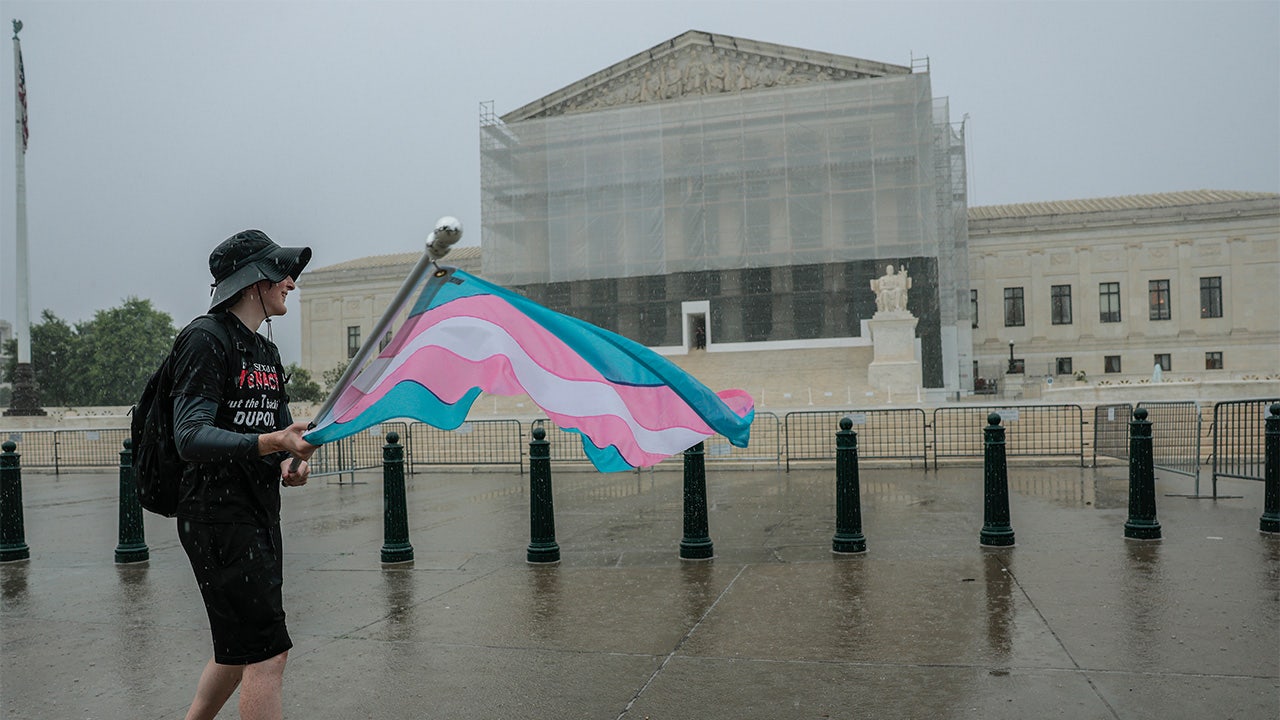
 FOX News
Democrat mother 'absolutely thrilled' as Supreme Court upholds ban on youth transgender treatments

 CBN
CBNFamily Groups Applaud Major Trans Ruling: 'The Supreme Court Looked at the Science'
Overview
The Supreme Court upheld Tennessee's ban on gender-affirming care for minors in a 6-3 decision, impacting similar laws across the U.S.
Justice Clarence Thomas expressed concerns over the speed of medical treatments for children and questioned the evidence supporting gender interventions.
Dissenting Justice Sonia Sotomayor argued that the ruling could cause harm to transgender children, reflecting a divide among justices.
The decision has drawn mixed reactions from family groups, with some supporting the ruling and others voicing concerns for transgender youth.
The ruling intensifies the ongoing debate over transgender rights and healthcare access, highlighting a divided public opinion and political landscape.
Analysis
Analysis unavailable for this viewpoint.
FAQ
Tennessee's ban prohibits hormone replacement therapy and puberty blockers for transgender youth, as well as gender-affirming surgeries, which are rare for minors.
The Supreme Court ruled that Tennessee's ban does not violate the 14th Amendment’s equal protection clause. Chief Justice Roberts emphasized that while the issue raises sincere concerns, the court's role is limited to assessing constitutional compliance, leaving policy decisions to elected representatives.
The majority expressed concerns about the speed and evidence supporting medical treatments for children, upholding the ban as constitutional. The dissent, led by Justice Sonia Sotomayor, contended that the ruling could cause harm to transgender children, reflecting a deep divide in judicial perspectives.
The ruling has intensified debates on transgender rights and healthcare access, with some family groups supporting the decision while others express concerns about its negative effects on transgender youth. It also influences similar laws in 25 states that have banned or restricted gender-affirming care for minors.
The lawsuit, known as L.W. v. Skrmetti, was filed by the ACLU and Lambda Legal on behalf of families of transgender youth, including Samantha and Brian Williams of Nashville and their teenage daughter, as well as Dr. Susan Lacy, a Memphis-based gynecologist providing gender-affirming care.
