NATO Leaders Set Ambitious 5% Defense Spending Goal Amid Global Tensions
NATO leaders are poised to agree on a historic 5% defense spending target by 2035, reflecting heightened security concerns and economic challenges across Europe.
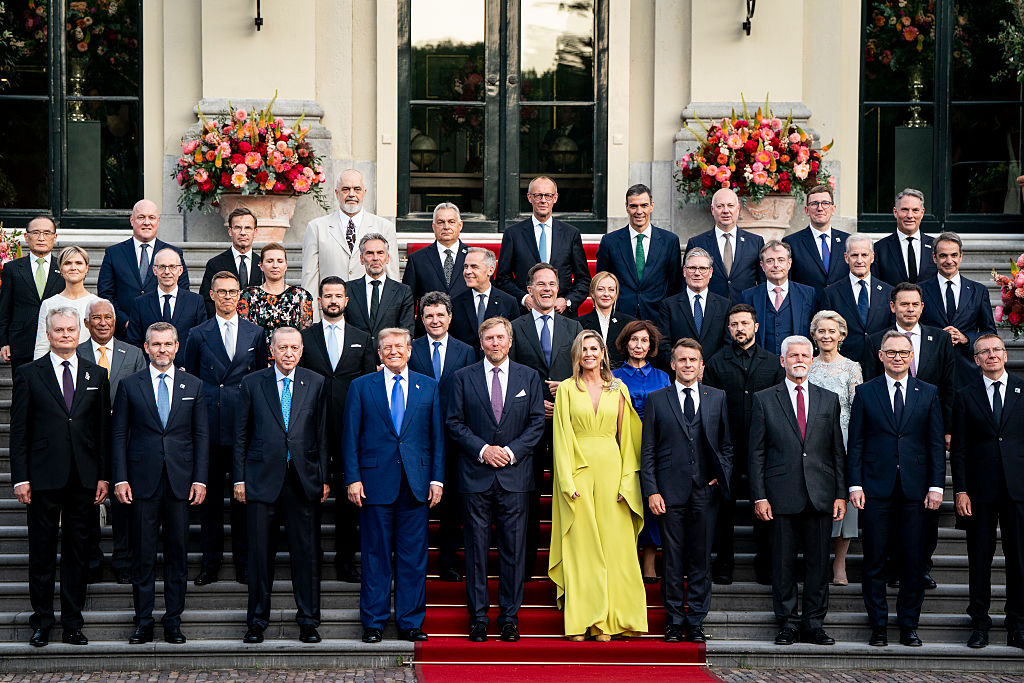
 The Dispatch
Leaders Kick off the NATO Summit

 ABC News
Back to the future: NATO leaders hark back to the Cold War as they meet to hike defense spending
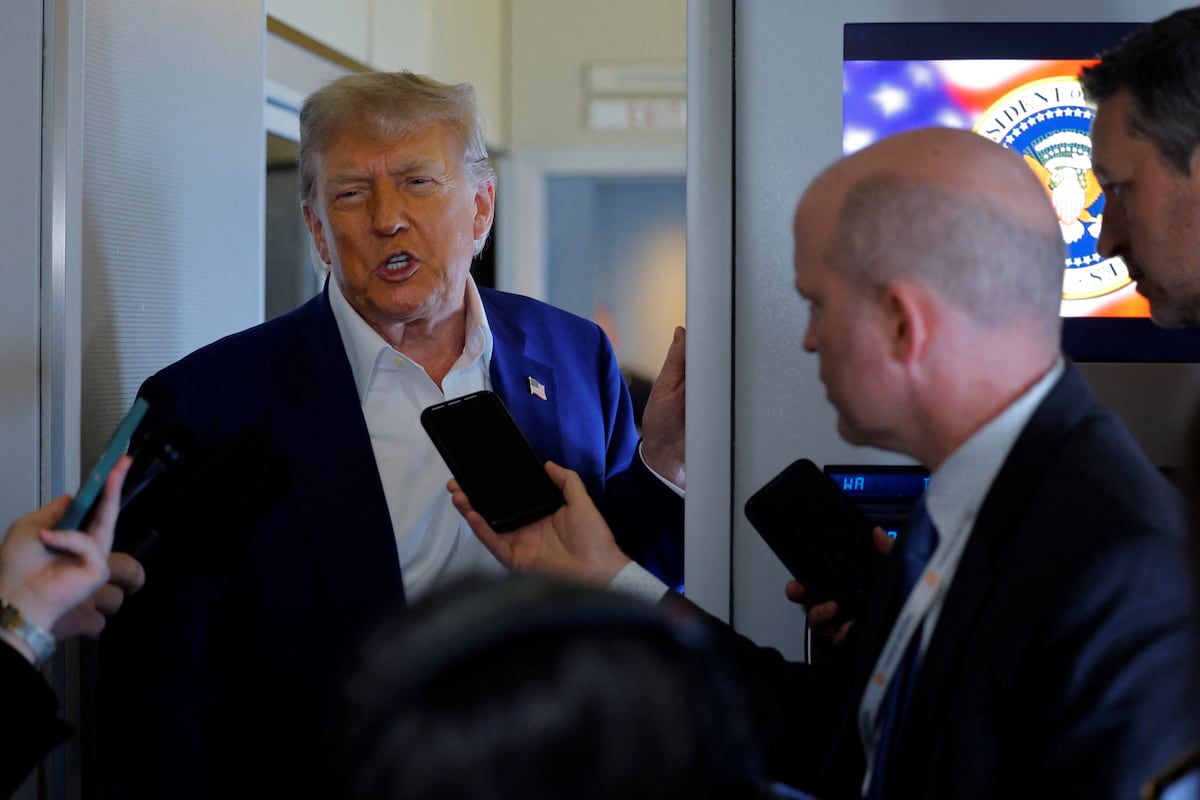
 El Pais
‘Spain is a problem’: Trump lashes out over NATO contributions
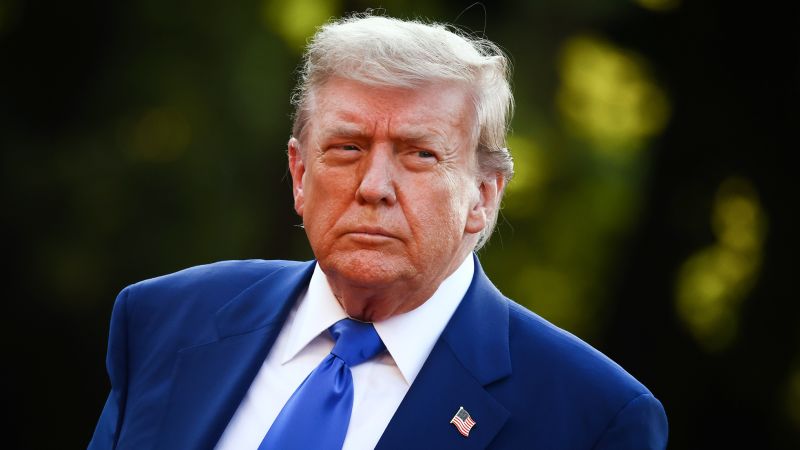
 CNN
CNNNATO summit yields a big win on defense spending for Trump but key questions over the alliance remain | Politics
Overview
NATO leaders are meeting in The Hague to endorse a 5% defense spending goal by 2035, amidst rising global tensions, particularly from Russia's actions in Ukraine.
Countries like Britain, France, Germany, and the Netherlands support the new spending target, while Spain and others express concerns about its feasibility.
The summit marks a pivotal moment, reminiscent of Cold War-era defense strategies, as European nations commit to bolstering military investments.
Economic challenges and Trump's global tariff war may complicate NATO allies' efforts to meet increased defense spending goals.
Ukrainian President Zelenskyy emphasizes the importance of NATO's support, urging European nations to invest in Ukraine's defense capabilities.
Analysis
Center-leaning sources frame NATO's upcoming summit as a pivotal moment, emphasizing both optimism for increased defense spending and the challenges faced by member nations. They highlight historical context, economic pressures, and divisions among allies, suggesting a complex interplay of commitment and reluctance, reflecting a cautious yet hopeful perspective on collective security.
FAQ
The 5% target consists of two parts: 3.5% of GDP is to be allocated to core military defense spending, which includes traditional military capabilities, and 1.5% of GDP is designated for broader defense-related investments such as infrastructure upgrades, cybersecurity, and resilience measures. Military aid to Ukraine also counts toward this spending goal.
Spain currently spends about 1.28% of its GDP on defense, well below the 3.5% core military spending part of the new target, making it a significant challenge to meet the goal by 2035. Additionally, Spain faces economic difficulties, political instability due to reliance on small parties, and corruption scandals which complicate increasing military expenditures.
The new 5% spending target was negotiated partly to address President Donald Trump's previous demands that NATO allies double their defense spending from 2% to 4% of GDP. The agreement compromises with a 3.5% target for core defense spending plus 1.5% for broader security investments, allowing some flexibility for European countries while signaling a major increase in defense funding.
The increased spending will support a significant buildup in military capabilities, including a five-fold increase in NATO's air defenses, the addition of thousands of tanks and armored vehicles, improved infrastructure such as roads and ports for military deployment, and enhanced measures against cyber and hybrid warfare threats, reflecting the urgency posed by Russia's actions in Ukraine.
Military aid provided to Ukraine is included as part of the core defense spending category and thus counts toward meeting the 3.5% core military spending target of NATO's 5% total. This recognizes Ukraine as a key front in the broader security efforts of the alliance amid Russia's invasion.