Zohran Mamdani Triumphs in NYC Democratic Primary, Signaling Progressive Shift
Zohran Mamdani won 43.5% of the vote in the NYC Democratic primary, defeating Andrew Cuomo, amid a backdrop of controversy and shifting political dynamics.

 Washington Examiner
Hochul sidesteps endorsement of Mamdani after socialist wins NYC mayoral primary

 The Intercept
Zohran Can Happen Anywhere (But Having an Opponent Like Cuomo Helps)
 New York Sun
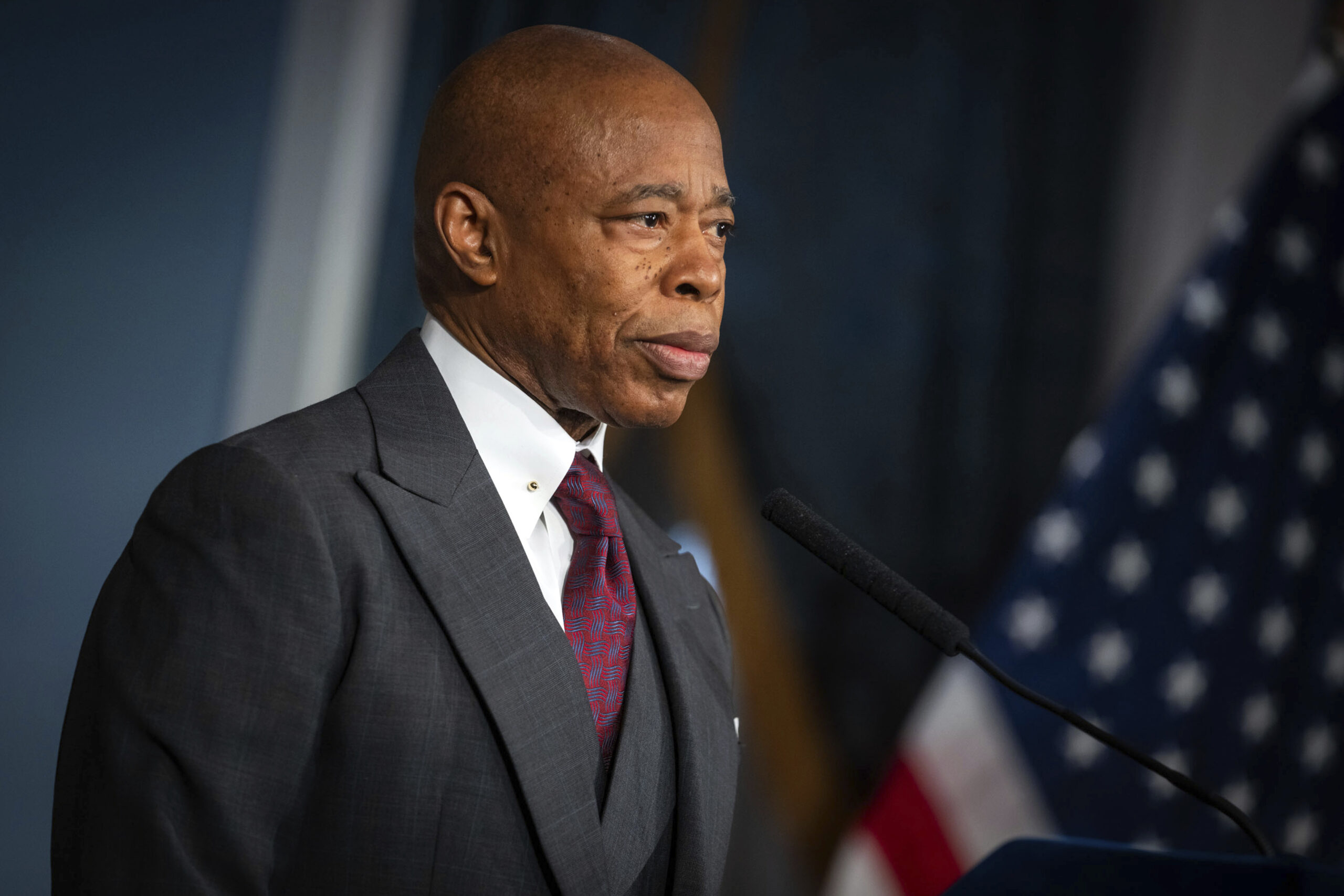
Eric Adams's Common Sense Will Save New York From Radical Socialism
 The Guardian
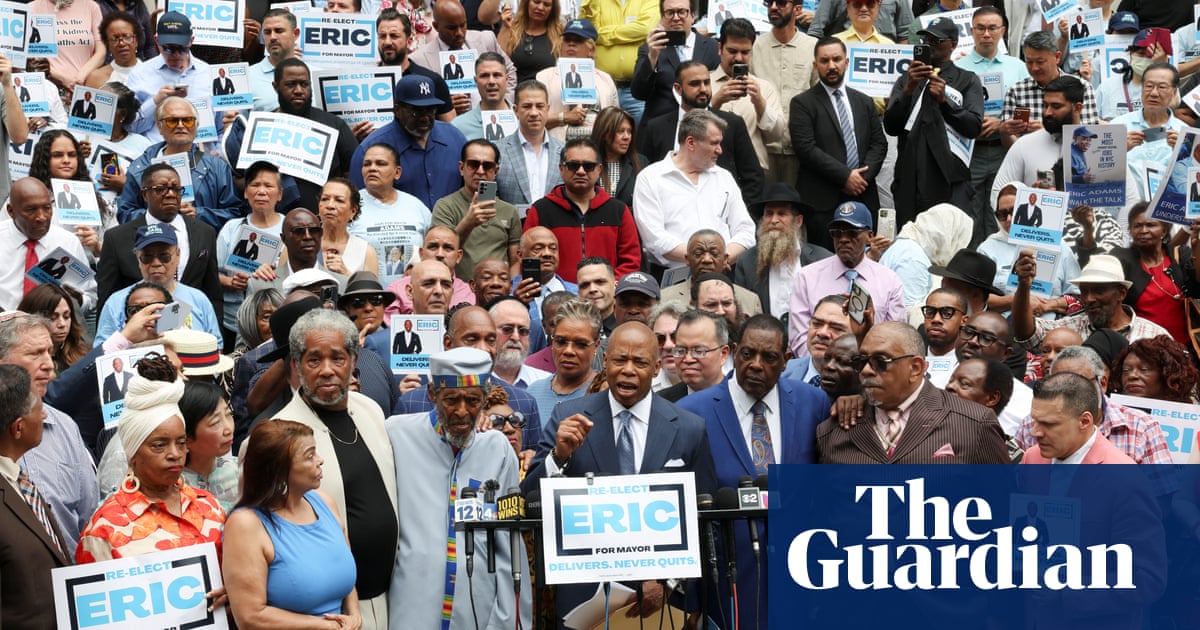
Eric Adams, mayor of New York City, launches re-election campaign after Mamdani’s surprise primary showing
Overview
Zohran Mamdani secured 43.5% of the vote in the NYC Democratic primary, defeating Andrew Cuomo's 36.4%, highlighting a shift towards progressive policies.
Mamdani's campaign focused on government-run grocery stores, free bus services, and universal childcare, appealing to younger voters and progressive organizations.
Volunteers effectively used an app to monitor their door-to-door efforts, contributing to Mamdani's successful campaign against Cuomo.
Eric Adams, facing corruption charges and low approval ratings, withdrew from the Democratic primary and criticized Mamdani's proposals as financially irresponsible.
The business community, including Wall Street leaders, opposes Mamdani's nomination, while Adams' reputation has suffered despite a decrease in crime during his leadership.
Analysis
Center-leaning sources frame Zohran Mamdani's primary victory as a significant disruption to the Democratic establishment, emphasizing his grassroots approach and contrasting it with Andrew Cuomo's campaign. They express skepticism about Mamdani's political experience and anticipate challenges from established political figures and business interests, reflecting a cautious optimism.
FAQ
Ranked-choice voting allows voters to rank candidates in order of preference, eliminating the need for a separate runoff election. In NYC, if no candidate wins a majority in the first round, the lowest-ranked candidate is eliminated and their votes are redistributed based on voters’ subsequent choices until a candidate reaches over 50% of the vote. This system was used in the NYC Democratic primary and may influence final results as votes are fully counted and mail-in ballots are processed.
In addition to government-run grocery stores and free bus services, Mamdani’s campaign proposals include universal childcare and a strong focus on making New York City more affordable, which resonated with younger voters and progressive organizations[2].
Eric Adams, facing corruption charges and low approval ratings, withdrew from the Democratic primary, which reduced the field of major candidates and may have influenced voter dynamics. Following his withdrawal, Adams criticized Mamdani’s proposals as financially irresponsible, highlighting division within the party.
Mamdani’s campaign volunteers used an app to monitor their door-to-door efforts, helping to efficiently track canvassing activities and maximize voter outreach[2].
The business community, particularly Wall Street, opposes Mamdani’s nomination, fearing that his progressive policies—such as government-run grocery stores and increased public spending—could negatively impact businesses and the local economy.

