Senate Rejects Resolutions to Limit Trump's Military Actions Against Iran
The US Senate voted down multiple resolutions aimed at restricting President Trump's military authority regarding Iran, highlighting partisan divisions over war powers.

 ABC News
Senate rejects effort to restrain Trump on Iran as GOP backs his strikes on nuclear sites

 The Guardian
US Senate votes down resolution to restrict Trump from escalating Iran war
 CNN
CNNSenate fails to advance Iran War Powers resolution | Politics
 Epoch Times
Senate Rejects War Powers Resolution That Sought to Limit Trump’s Authority Over Iran Strikes
Overview
The Senate voted against resolutions to limit President Trump's military actions in Iran, reflecting a partisan divide.
Democratic Senator John Fetterman joined Republicans in opposing a resolution to restrict Trump's war powers.
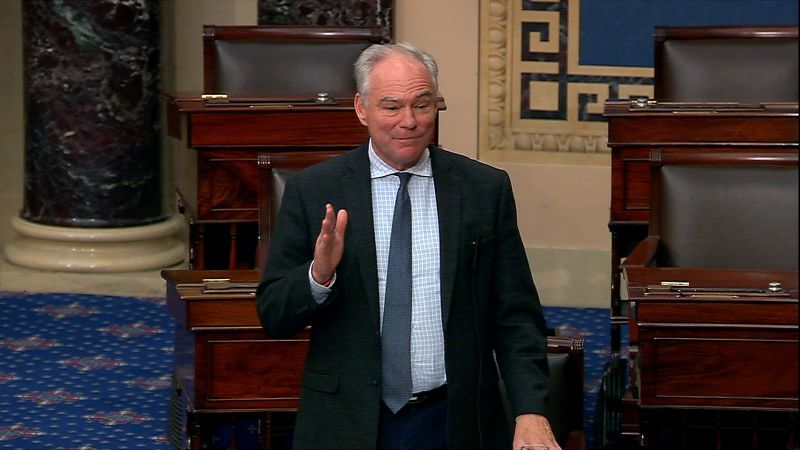
Senator Tim Kaine's proposal to require congressional approval for military action against Iran was rejected by the Senate.
The vote on war powers resolutions saw support for Trump's actions from the GOP, with a 53-47 outcome.
Democrats emphasized the need for congressional oversight on military actions, citing the War Powers Act of 1973.
Analysis
Center-leaning sources frame the Senate's rejection of the Democratic proposal as a significant political maneuver, highlighting partisan divisions. They emphasize the constitutional debate over war powers, reflecting a critical stance towards Trump's unilateral military actions while portraying Democrats as defenders of legislative authority. Implicit bias suggests skepticism towards Republican support.
FAQ
Democrats argued that President Trump's military strike on Iran was unauthorized and violated the Constitution by bypassing Congress's constitutional role to approve military actions, emphasizing the need for congressional oversight as established by the War Powers Act of 1973.
The Senate voted 53-47 against the resolution to limit President Trump's military authority regarding Iran. Most Republicans supported the White House and opposed the resolution, while most Democrats supported it, with some exceptions such as Democratic Senator John Fetterman voting against it and Republican Senator Rand Paul voting for it.
The War Powers Act of 1973 is legislation that requires the President to seek congressional approval before engaging in military actions lasting more than a limited period. In this case, Democrats cited it to argue that President Trump's actions against Iran should have had congressional authorization, a viewpoint rejected by the Senate majority in the recent vote.
President Trump vetoed resolutions related to the War Powers Act twice during his first term, including at least one aimed at curtailing his military powers to conduct strikes against Iran, signaling his resistance to congressional limitations on his military authority.
The Senate's rejection means that President Trump retains broad unilateral authority to conduct military actions against Iran without requiring prior congressional approval, reinforcing executive flexibility but raising concerns among some lawmakers about the potential bypass of legislative checks and balances.