Wisconsin Supreme Court Strikes Down 176-Year-Old Abortion Ban
In a landmark 4-3 decision, the Wisconsin Supreme Court invalidated the state's 176-year-old abortion ban, ensuring continued legality of abortion in Wisconsin.

 PBS NewsHour
Wisconsin's 176-year-old abortion ban struck down by state Supreme Court

 Washington Examiner
Wisconsin Supreme Court strikes down century-old abortion ban

 World News Group
Wisconsin Supreme Court strikes down century-old pro-life law
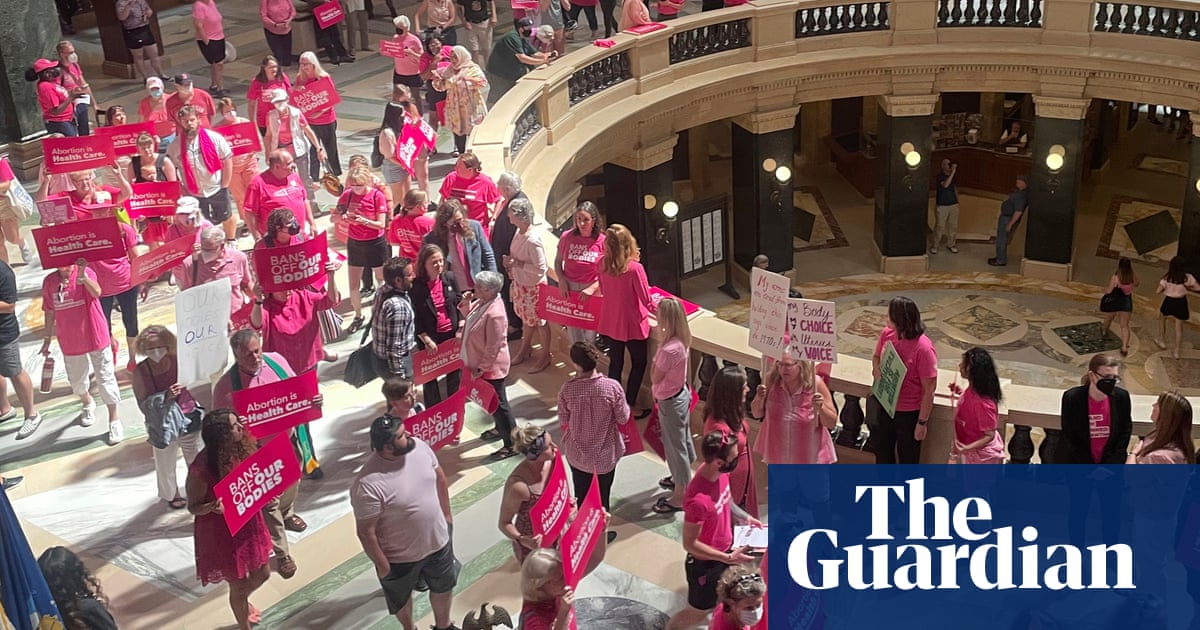
 The Guardian
Wisconsin supreme court strikes down 1849 abortion ban
Overview
The Wisconsin Supreme Court ruled 4-3 to strike down a 176-year-old abortion ban, with a liberal majority leading the decision.
Attorney General Josh Kaul argued that newer abortion laws superseded the outdated 1849 ban, prompting the court's ruling.
The ban had been effectively nullified by the 1973 Roe v. Wade decision but remained on the books until now.
The ruling provides clarity for abortion providers and patients in Wisconsin, affirming the legality of the procedure.
Public support for legal abortion in Wisconsin was a significant factor in the court's decision to invalidate the restrictive law.
Analysis
Center-leaning sources frame the Wisconsin Supreme Court's ruling as a significant legal and social milestone, emphasizing the liberal majority's role. They highlight the historical context of the ban and its implications for abortion rights, reflecting a supportive stance towards reproductive freedom while acknowledging the political landscape influencing the decision.
FAQ
Wisconsin's original 1849 abortion ban followed the 'quickening doctrine,' making abortion illegal only after the fetus was felt to move (quickening). Before this point, abortions were not criminalized under the law.
In 1858, Wisconsin removed the term 'quick' from the abortion law, effectively banning abortion at all stages of pregnancy and establishing penalties for performing or assisting an abortion, making it a more restrictive law than before.
The Wisconsin Supreme Court struck down the ban because Attorney General Josh Kaul argued that newer abortion laws superseded the outdated 1849 ban, and the court's liberal majority ruled that the old law was invalid, thereby affirming abortion legality in the state.
The ruling provides clarity and legal certainty for abortion providers and patients in Wisconsin, ensuring that abortion remains legal and accessible under current state law.
Dr. William Henry Brisbane, a state Senate clerk, physician, and abolitionist, heavily influenced the 1858 abortion law change. He discouraged abortions and sought to penalize doctors who performed them.

