Trump Signs Controversial One Big Beautiful Bill Act on Independence Day
President Trump signed the One Big Beautiful Bill Act into law during a Fourth of July celebration, amidst criticism and concerns over its impact on the national debt and healthcare.

 PBS NewsHour
News Wrap: Trump signs his One Big, Beautiful Bill Act into law
 World News Group
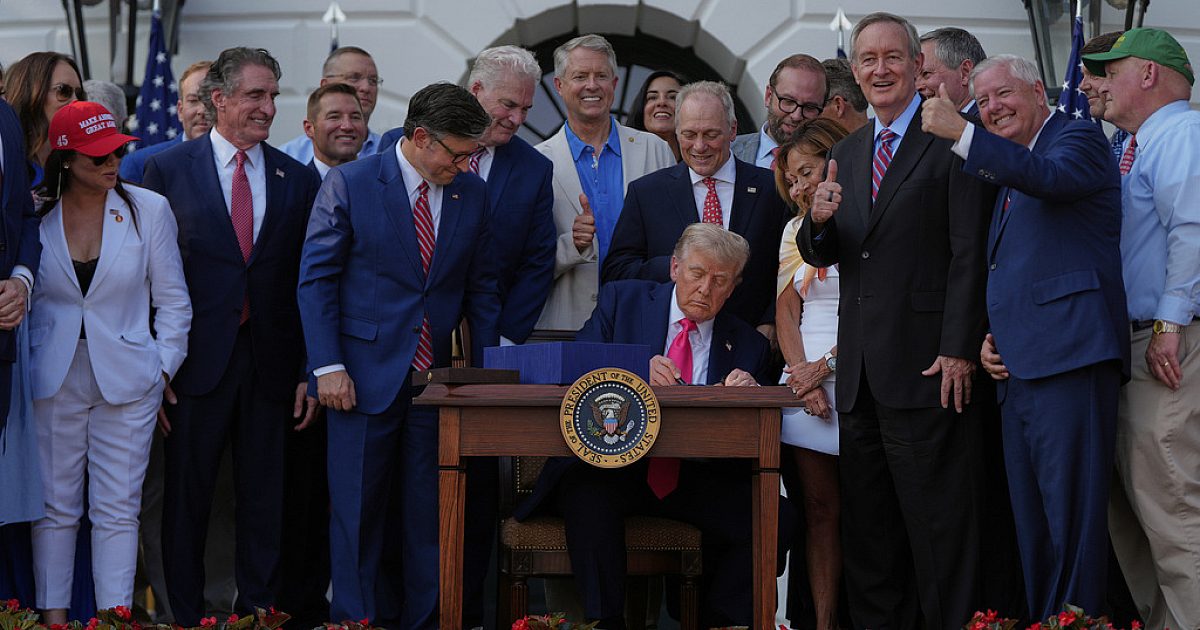
Trump signs One Big Beautiful Bill Act at White House
 New York Sun
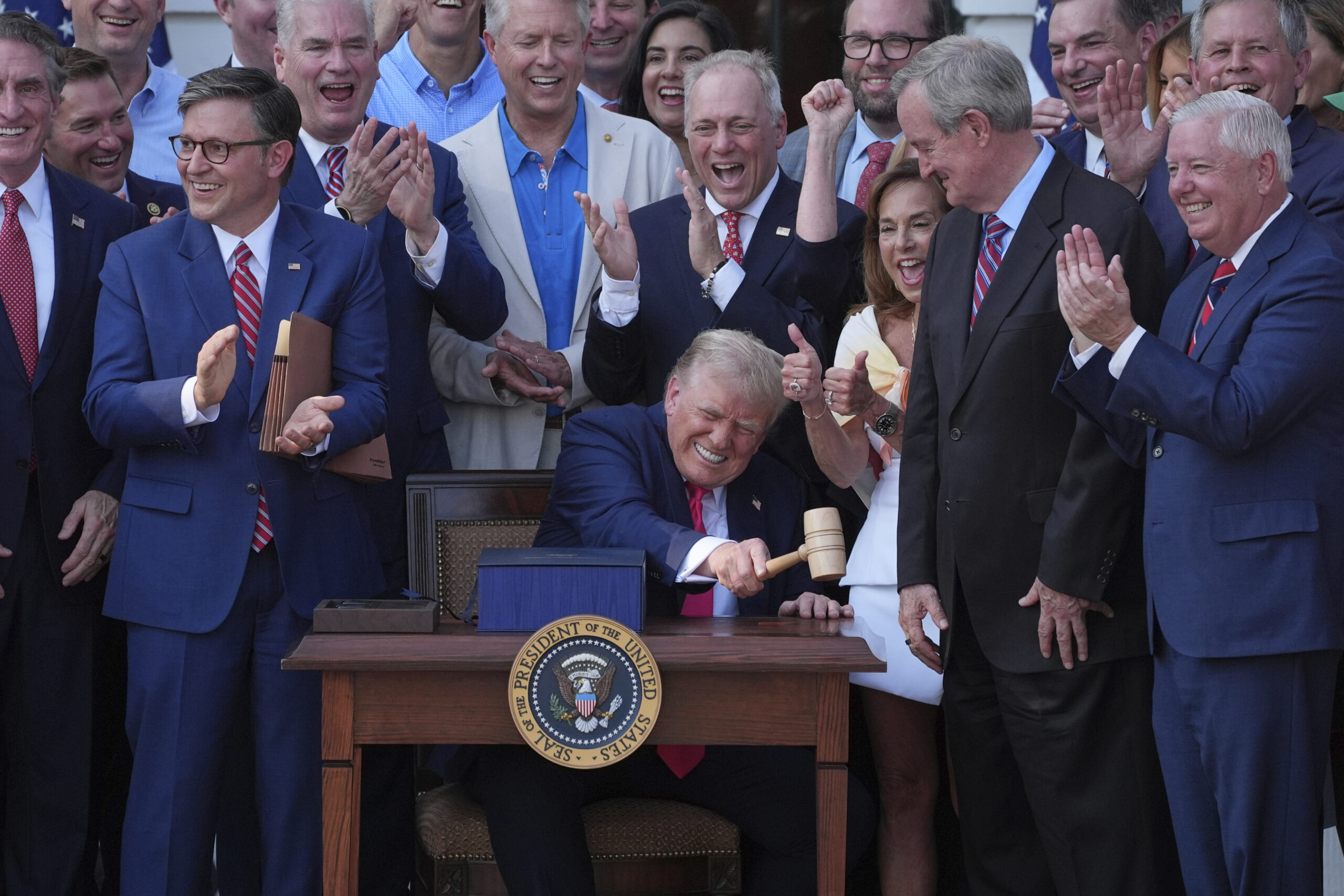
Trump Signs ‘Big, Beautiful Bill’ During Independence Day Celebration at the White House

 Rolling Stone
Trump Signs Bill to Kick Millions Off Health Care Into Law
Overview
President Trump signed the One Big Beautiful Bill Act into law during a Fourth of July celebration at the White House.
The bill, passed by narrow margins, adds $3.3 trillion to the national debt over the next decade.
Trump praised Republican leadership during the signing and criticized Democrats for opposing the bill.
The legislation makes previous tax cuts permanent, cuts Medicaid funding, and increases military and immigration enforcement spending.
Critics warn the bill will negatively impact healthcare access and disproportionately benefit the wealthiest Americans.
Analysis
Center-leaning sources frame the legislation as controversial, emphasizing its implications for tax cuts and government spending. They express skepticism about its impact on social programs and immigration enforcement, reflecting a critical perspective on Trump's policies. The tone suggests concern over potential negative consequences for vulnerable populations.
FAQ
The One Big Beautiful Bill Act includes making previous tax cuts permanent, cutting Medicaid funding, increasing military and immigration enforcement spending, and raising the statutory debt limit. It also affects USDA programs such as SNAP and modifies tax-related provisions like the estate and gift tax exemptions.
The bill is projected to add $3.3 trillion to the national debt over the next decade.
Critics warn that the bill will negatively affect healthcare access, disproportionately benefit the wealthiest Americans, and contribute significantly to the national debt.
President Trump signed the bill during the Independence Day celebration to highlight the legislative achievement and praised Republican leadership while criticizing Democrats for opposing it.
The bill extends the special depreciation deduction, permanently extends and increases the estate and gift tax exemption to $15 million for single filers and $30 million for married filing jointly, and adjusts thresholds and limitations related to qualified business income deductions.